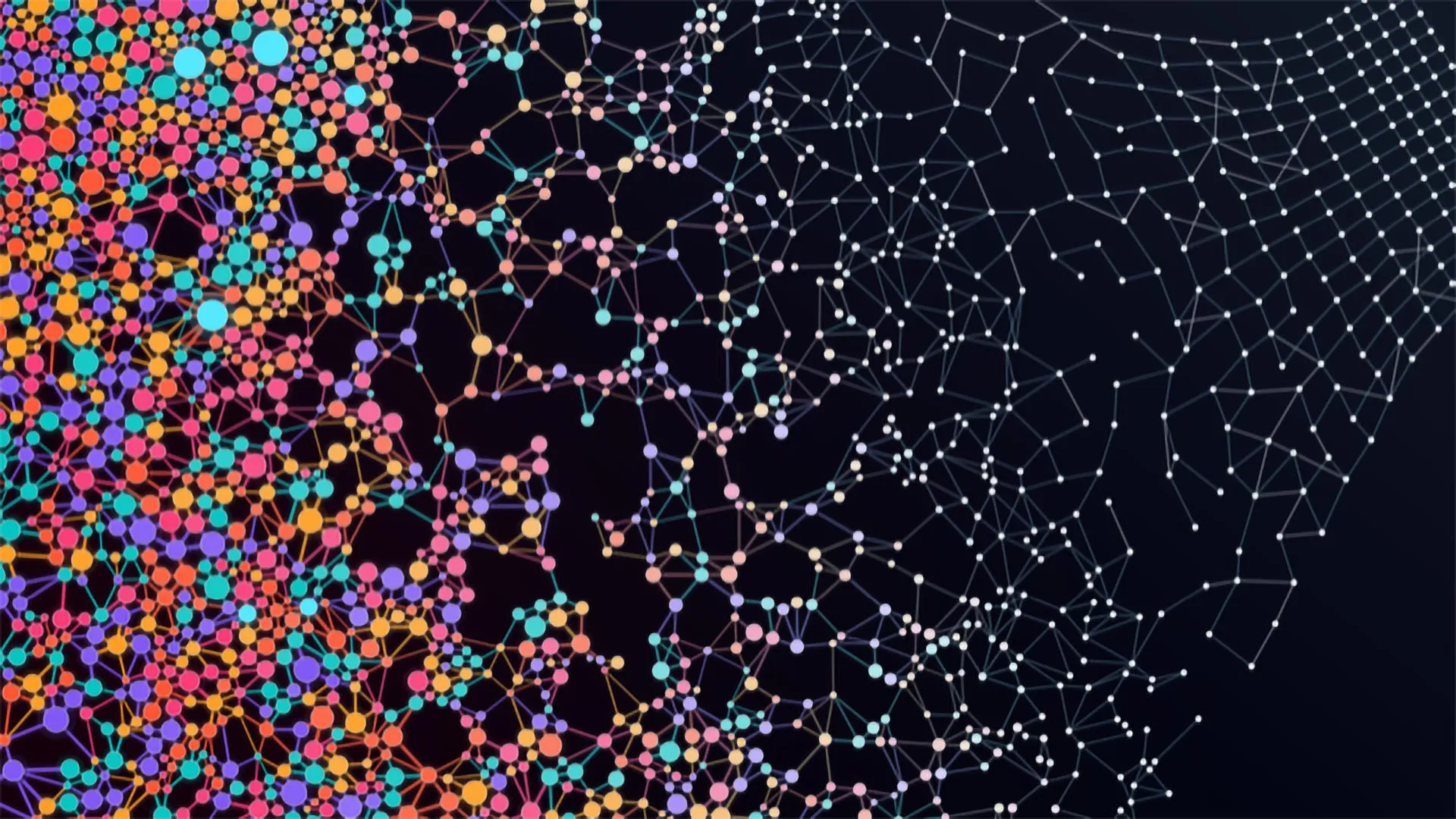
The article discusses a groundbreaking study by physicists at Northwestern University that challenges the long-held belief that uniformity in complex systems leads to better stability. Traditionally, researchers believed that networks, like electrical grids and ecosystems, performed better when their components acted similarly. However, this new research suggests that variability—or disorder—can enhance stability in such systems.
Key Findings:
-
Disorder as an Advantage: The study presents a mathematical framework that shows variation among components can improve resilience in various networks—be they physical, biological, or engineered.
-
Challenging Uniformity: Instead of striving for identical components, introducing controlled differences may lead to more robust designs, such as in power grids or ecological models.
-
Revising Network Models: Older models often overlooked the stabilizing effects of diversity, focusing instead on simplified versions of networks that didn’t accurately represent real-world complexities.
-
Two Types of Variability: The researchers found that both variations among the nodes (components) and their connections can impact stability. However, a balance is crucial—too much disorder can lead to instability.
-
Random Variability Can Help: Interestingly, some systems showed improved stability with randomly introduced differences rather than meticulously designed variations.
Implications:
- This research could influence how ecosystems are interpreted, as many have been thought to be inherently unstable despite their persistence in nature.
- In engineering, the findings suggest that optimizing materials might involve intentionally varying their components to achieve better performance.
Future Directions:
The findings prompt further exploration into how to effectively design disorder within systems to maximize stability. This research could lead to innovations in material science, ecological management, and the development of more resilient technological networks.
The study was published in the journal Science and represents a significant shift in understanding how complexity and variability interact to promote stability in various systems.


