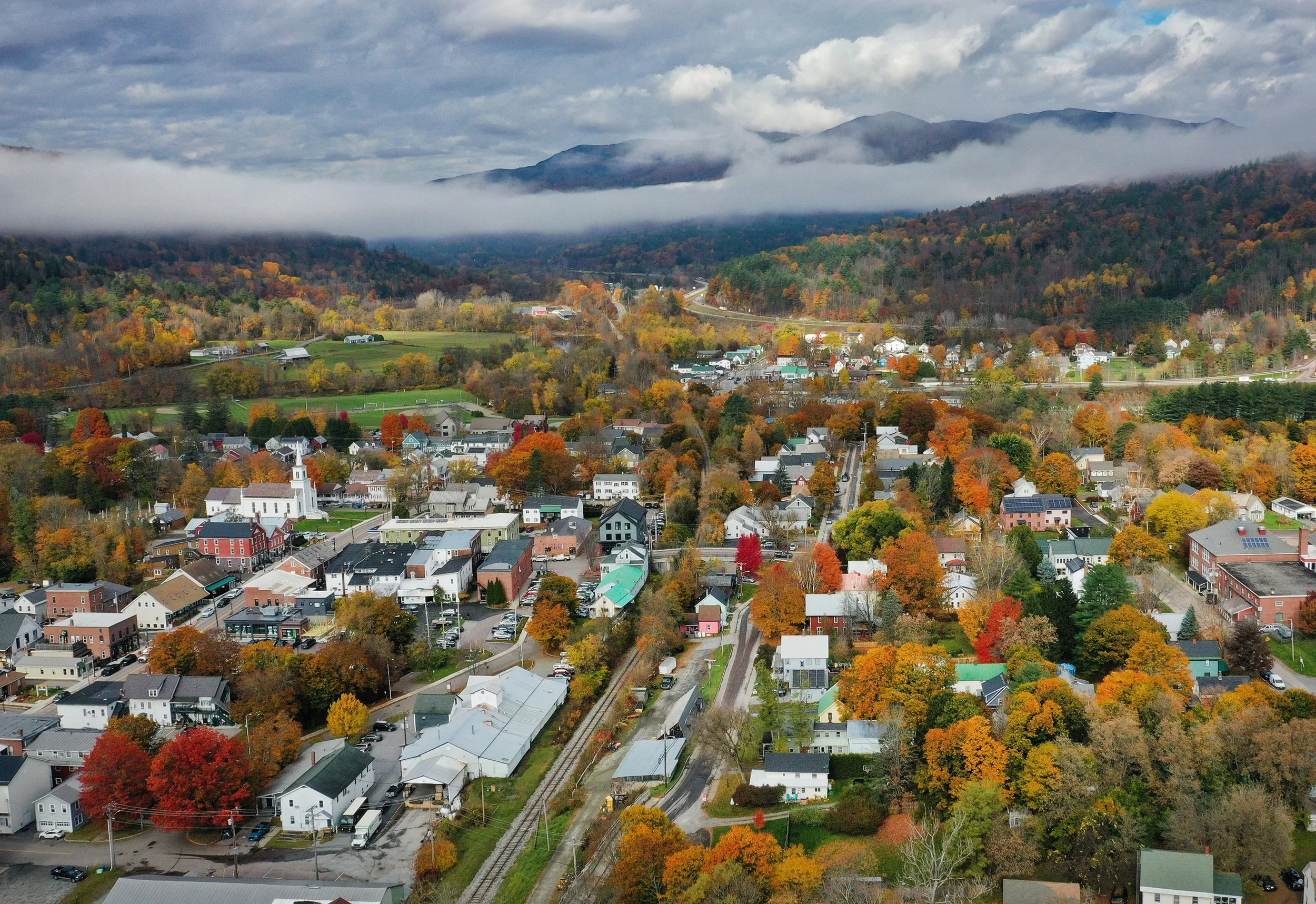
The Science Behind Fall Colors
What’s the science behind fall colors?
Fall foliage is a result of a chemical reaction influenced by climate, water, and daylight length. While some aspects remain a mystery, the best conditions for vibrant fall colors include cool nights, warm days, and a shortening photoperiod. Together, these factors prompt trees to degrade chlorophyll, revealing vibrant colors.
What causes the chemical reaction?
Leaves contain chemicals such as carotenoids and flavonoids, responsible for yellow and orange hues, while red and purple colors are produced by anthocyanins. The exact role of anthocyanins is still being studied, but they may help protect leaves as trees prepare for winter.
How is climate change affecting fall foliage?
Rising average fall temperatures lead to later onset of fall colors and shorten the foliage period. Warmer night temperatures hinder chlorophyll degradation, resulting in trees retaining their greenness longer and potentially exhibiting less vibrant colors.
What are other threats to fall foliage?
External threats include air pollution, invasive species, and tree diseases. For example, Beech bark disease has harmed beech trees, which produce striking yellow leaves. Future threats like the Emerald ash borer and Asian Longhorn beetles could severely impact maple trees, crucial to both the economy and culture.
What about wildfire smoke?
Vermont doesn’t anticipate significant effects from wildfire smoke this year. However, prolonged cloudy conditions can weaken photosynthesis, leading to less vibrant colors and a shorter foliage season.
How important is fall foliage to the economy?
Fall foliage generates about $600 million to $1 billion in revenue for Vermont’s tourism sector. With climate change affecting winter sports, there’s a push for four-season tourism that emphasizes fall recreation, highlighting the cultural and economic significance of fall colors.
In summary, Vermont’s stunning fall foliage is the result of complex chemical processes and environmental factors that are increasingly influenced by climate change and other threats, underscoring its importance to the state’s economy and cultural identity.


