The article emphasizes that the traditional “1 dog year equals 7 human years” rule is outdated and inaccurate. Recent scientific research presents a more complex understanding of how pets age, influenced by their size and species.
-
New Formula for Dog Aging:
- A 2019 study introduced a logarithmic formula for calculating a dog’s age:
- *16 ln(dog’s age) + constant** (with variations based on size).
- For example, a one-year-old dog equates to about 31 human years.
- A 2019 study introduced a logarithmic formula for calculating a dog’s age:
-
Size and Aging:
- Larger dogs age faster and have shorter lifespans (8-12 years) compared to small breeds (12-16 years).
- Health risks like heart disease and cancer are more prevalent in larger breeds.
-
Cat Aging:
- Cats reach human age milestones differently:
- One-year-old cat = 15 human years; by two, it’s about 24.
- Seniors are considered at age 11 (approx. 60 human years).
- Cats reach human age milestones differently:
-
Small Pets:
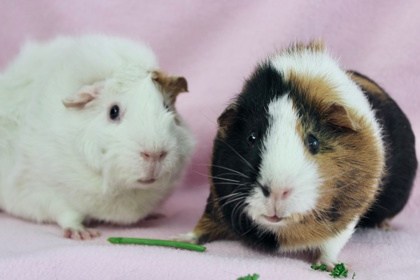
- Species like hamsters age rapidly, with significant aging seen before their second birthday.
- Lifespans vary dramatically, necessitating different care approaches.
-
Importance of Understanding Pet Ages:
- Knowledge of accurate aging helps in tailoring care and anticipating life changes. It encourages owners to monitor health and adapt diets or vet visits accordingly.
Overall, a deeper understanding of pet aging enhances the bond between owners and their animals, promoting better care through informed practices.