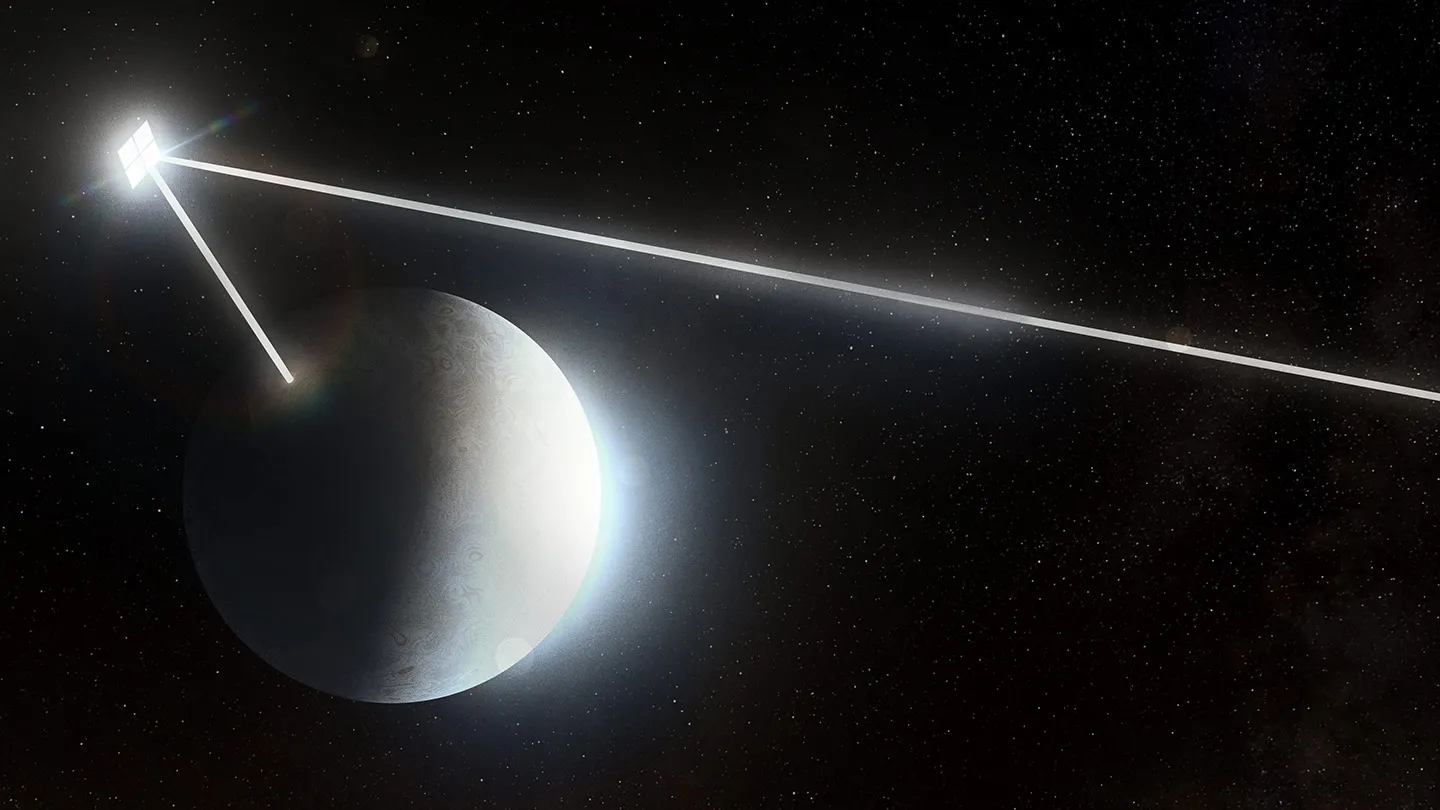
The article discusses the growing concerns surrounding satellite launches, particularly focusing on Reflect Orbital’s plan to deploy a satellite that reflects sunlight onto Earth. Jonathan McDowell, an astrophysicist, expresses alarm over such projects, emphasizing the importance of darkness for both natural ecosystems and astronomy.
Reflect Orbital envisions its satellite as a tool for various applications, including disaster relief. However, astronomers and dark sky advocates raise concerns about the potential consequences for astronomical observations, wildlife, and human health, particularly with the increasing number of satellites in low-Earth orbit, which has surged from 2,000 to over 16,000 in just a few years.
Current regulations around satellite launches are fragmented and often do not account for collective impacts on space and the environment. The Federal Communications Commission (FCC) holds a significant role in licensing, but critics argue it has overlooked the implications of light pollution and increased satellite traffic.
Reflect Orbital’s Eärendil-1 satellite could lead to massive brightness levels in the night sky, which could disrupt both night-time ecology and astronomical research. Concerns also extend to potential legal liabilities and the need for stricter regulations to protect dark skies and ensure responsible space usage.
The outcome of this situation may shape how future generations experience the night sky, prompting a broader conversation about the balance between technological advancement and environmental preservation.


