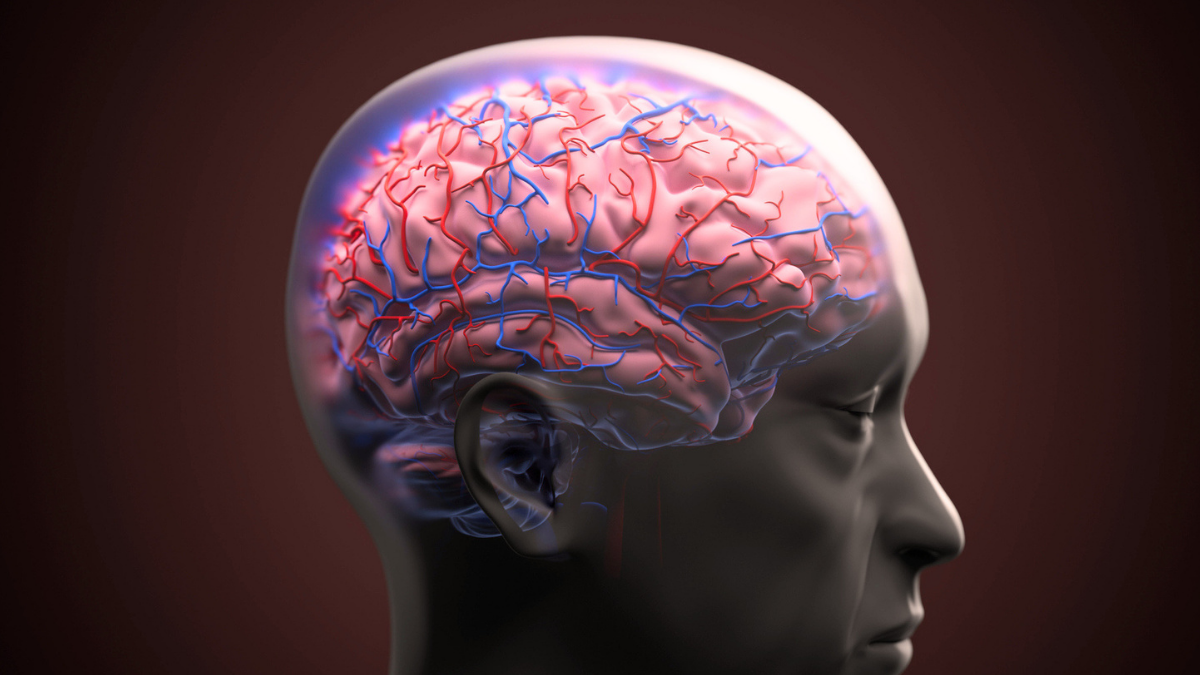
The blood-brain barrier acts as a protective gatekeeper for the brain, allowing essential nutrients and oxygen in while blocking harmful substances. In Alzheimer’s disease, this barrier can become compromised, potentially allowing toxins and inflammation to enter the brain earlier than memory problems manifest.
Recent research from a study published in Nature Aging reveals that fibronectin, a protein involved in tissue repair, may contribute to this barrier’s dysfunction in Alzheimer’s, particularly in individuals with the APOE4 gene variant. The study suggests that the presence of APOE4 can lead to increased inflammation and amyloid-beta production, prompting brain support cells (astrocytes) to produce excessive amounts of fibronectin. This accumulation disrupts communication between cells, weakening the connections that maintain the blood-brain barrier’s integrity.
Interestingly, the study found that reducing fibronectin levels could reverse barrier defects, pointing towards fibronectin as a potential therapeutic target. While eliminating fibronectin entirely isn’t desirable due to its role in healing, selectively managing its levels around the brain’s blood vessels could offer a new approach for Alzheimer’s treatment.
Further research is needed to confirm these findings and to establish effective treatments before any implications for human therapy can be realized.


