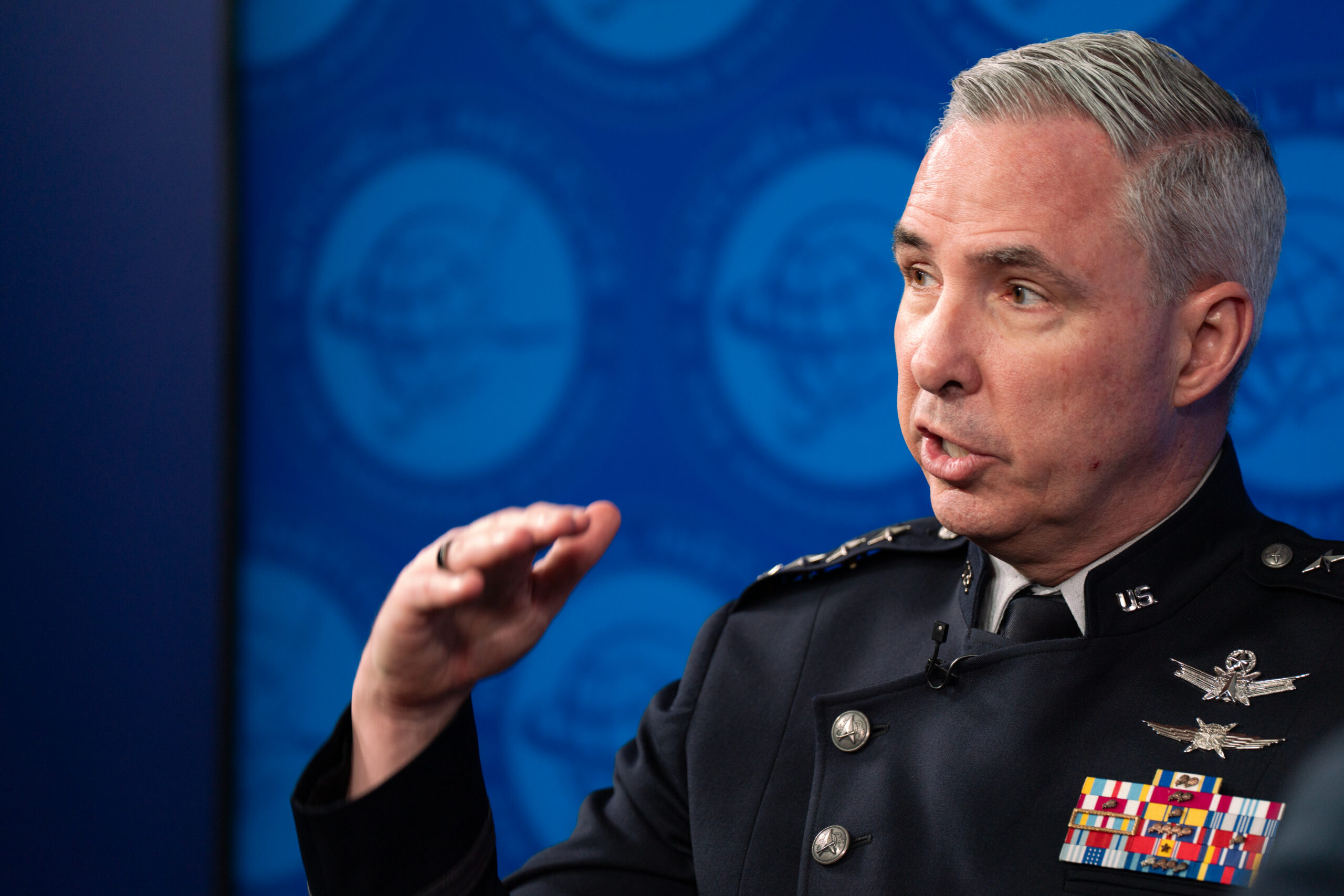
The U.S. Space Force recently announced the presence of space control weapons in orbit, but U.S. Space Command’s Gen. Stephen Whiting emphasized that there are still significant challenges in detecting and targeting threats in space. According to Whiting, effective space operations require robust capabilities for finding, tracking, and targeting potential threats, which are not yet fully developed.
He highlighted three critical areas for improvement:
-
Integration of Commercial and Allied Data: Current challenges prevent effective use of data from commercial sources and allies within established military frameworks.
-
Strengthening Systems Linkages: Enhanced coordination between sensors, command-and-control systems, and space weapons is necessary for a more effective response.
-
Expanding Surveillance Capabilities: There is a need for improved ground- and space-based systems to ensure comprehensive monitoring.
Whiting underscored the importance of closing these gaps in the “space kill chain,” and he aims to integrate systems to provide high-quality tracking for effective military operations. Additionally, he mentioned a longer-term goal of improving surveillance in orbits beyond geosynchronous, including cislunar space, to avoid operational surprises.


