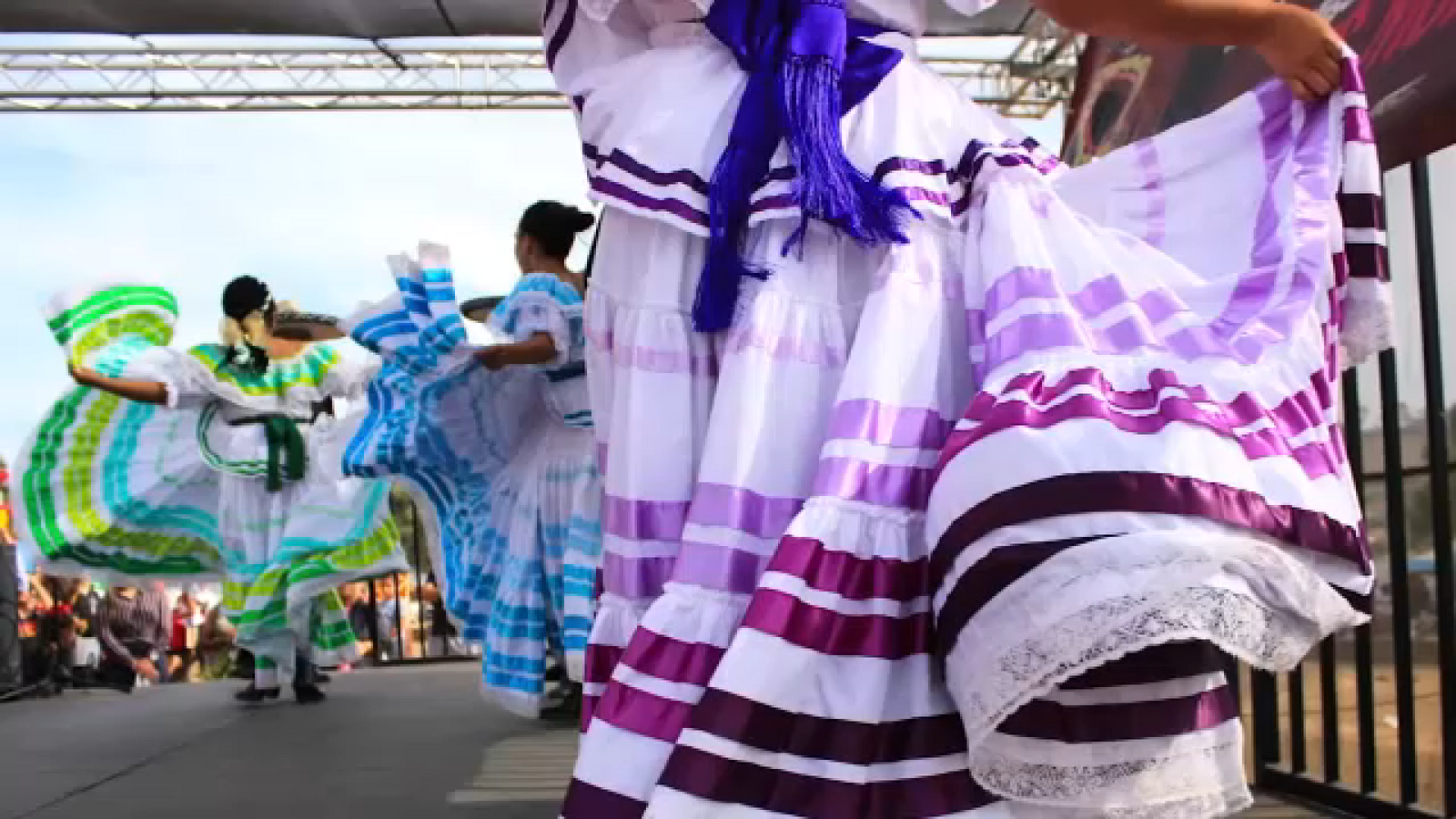
National Hispanic Heritage Month is celebrated annually in the U.S. from September 15 to October 15, honoring the contributions and cultures of Hispanic people. This observance began as Hispanic Heritage Week in 1968, initiated by Rep. Edward R. Roybal and later expanded to a month by President Ronald Reagan.
The date of September 15 is significant as it marks the anniversary of Mexico’s “El Grito de Dolores,” and several Central American nations celebrate their independence during this timeframe.
Historians emphasize the importance of understanding Latin and Caribbean histories, particularly in relation to labor rights and community struggles. Many Latinos connect their cultural values of family and mutual aid to their strong participation in labor unions.
The term “Hispanic” relates to Spanish-speaking cultures, while “Latino” refers to individuals connected to Latin America. Celebrating this month can be seen as a recognition of the diverse and rich contributions of various Latino cultures to American society. The observance promotes a greater appreciation for Latino heritage, especially during politically charged times.