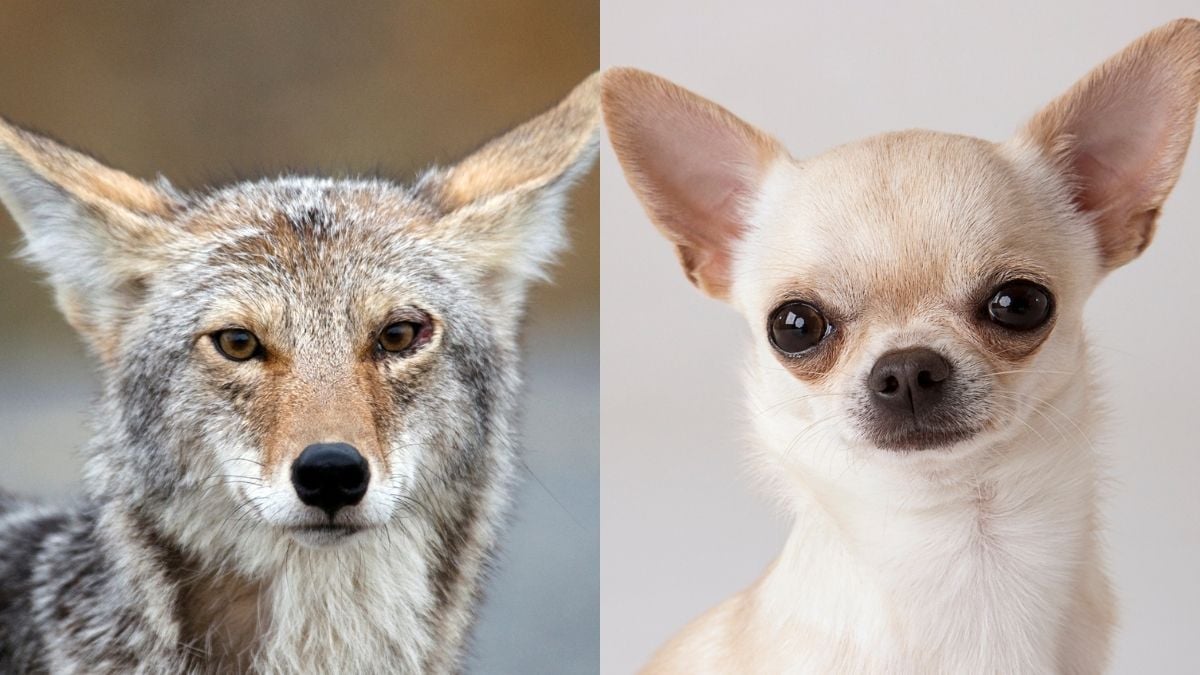
Chihuahuas: The Tiny Dogs with a Coyote Twist
Chihuahuas have long been loved for their quirky personalities and small size. A recent study published in Nature Communications sheds light on their unusual genetic makeup, revealing that Chihuahuas share some DNA segments with wild coyotes (Canis latrans).
Genetic Ancestry
DNA acts as a historical record, tracing the lineage of organisms through generations. Researchers from Stanford University utilized new software tools, Gnomix and Gnofix, to delve into the genomes of various animals, mapping out evolutionary relationships. Their investigation uncovered that Chihuahuas possess significant genetic similarities to coyotes, indicating a possible shared ancestry.
Historical Context
Previous evidence suggested that both Chihuahuas and the Xoloitzcuintli (also known as Xolo) are mixed breeds of European and pre-Columbian canines. Unlike most domestic breeds, these two have retained fragments of their New World ancestry. Specifically, the presence of coyote genes in Chihuahuas and Arctic dog ancestry in Xolos highlights their unique heritage.
While the exact timeline for when these coyote genes entered the Chihuahua gene pool remains unclear, it’s thought to have occurred before Columbus arrived in the Americas. It’s also uncertain whether this interbreeding was intentional or accidental.
Coyote Traits in Chihuahuas
Chihuahuas exhibit a range of distinctive characteristics, including their large ears and expressive vocalizations, which may be reminiscent of coyotes. Their independent and confident demeanor also sets them apart from other lap dogs, potentially echoing their wild ancestors.
Zoologist Jacqueline Boyd remarks that wild canines, including coyotes and wolves, frequently hybridize in regions where certain behavioral traits are advantageous. This insight may explain the Chihuahua’s spirited nature despite the breed’s small size.
Conclusion
The relationship between Chihuahuas and coyotes illustrates the complexities of canine evolution and the rich history behind this beloved breed. While artificial selection has likely shaped many of the Chihuahua’s physical traits, their wild ancestry adds a fascinating layer to their identity.
For more details, the full study can be found in Nature Communications.


