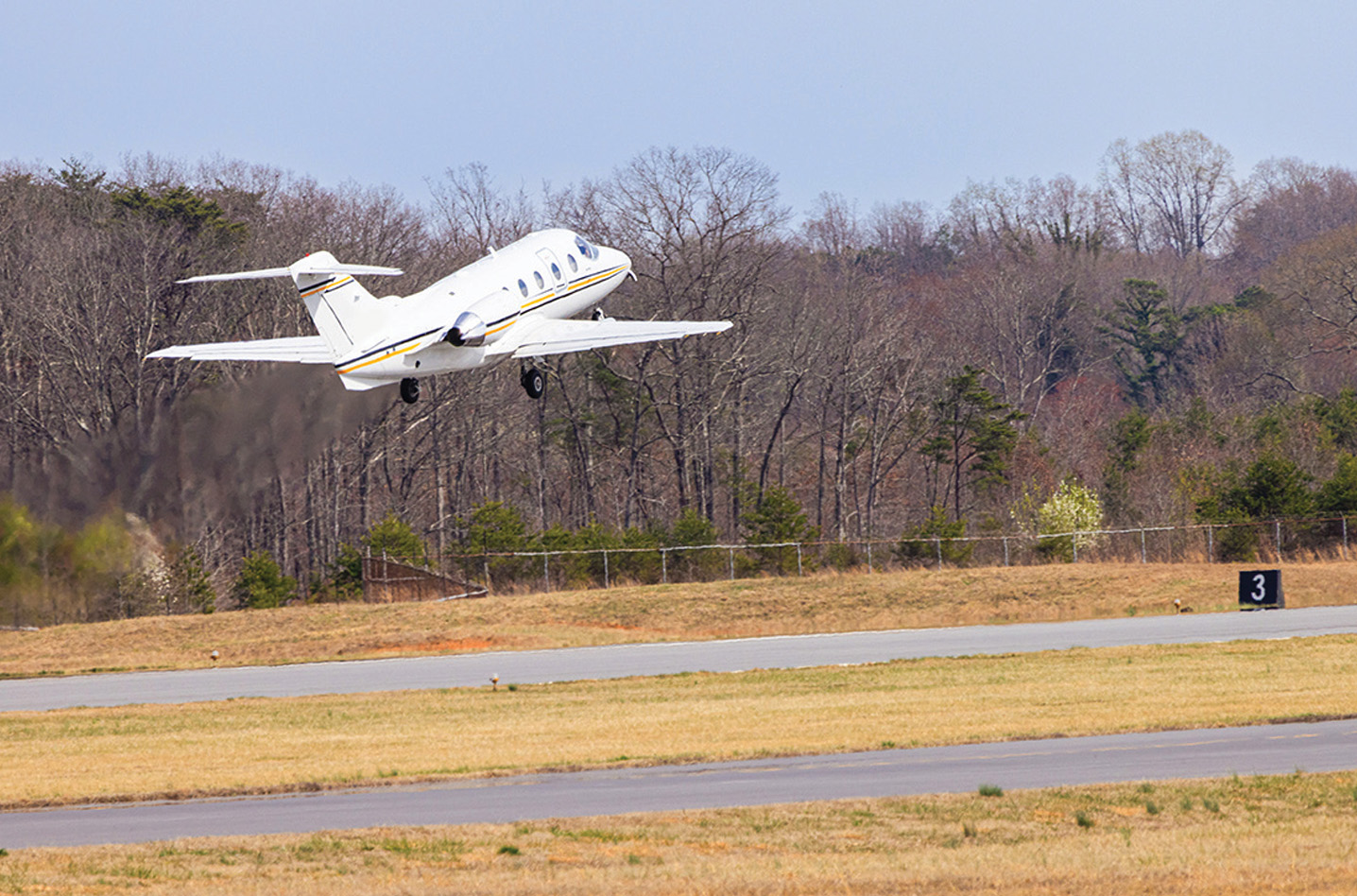
AI Enhancements in Bird Strike Prevention for Aviation

September 14, 2026
For decades, aviation operators have relied on vigilance, wildlife management, and pilot reports to mitigate the risk of bird strikes. Recent advancements in artificial intelligence (AI) are opening new possibilities for detecting and predicting bird activity, enhancing operational safety for business aviation airports.
The Challenge of Bird Strikes
Bird strikes pose unpredictable hazards to the diverse mix of U.S. airports that accommodate various aircraft types, including helicopters and turboprops. A recent NBAA safety data analysis revealed that bird strikes accounted for 18% of reported incidents from April to June this year—a notable statistic underscoring the need for improved detection and reporting methods.
The Promise of AI Technology
Kevin Singh, an instructor pilot and president of Icarus Jet, emphasizes the constant awareness required for bird strikes, particularly during takeoff and landing. While traditional communication methods like NOTAMs have been used, the advent of AI could enhance early warning systems by sifting through vast datasets to provide actionable insights about bird movements.
“Unless there is a way to see a flock of birds displayed in real-time on the flight deck, I am not sure how AI will come into play,” says Singh, emphasizing the need for effective visualization of data on the flight deck.
Innovations in Wildlife Detection
Cristobal Esteban, founder of Aerial Guard, highlights that AI technology aims to augment existing wildlife management practices rather than replace them. The idea is to offer earlier, actionable information, particularly beneficial for smaller airports with limited resources.
“AI can provide continuous monitoring and help airport teams focus their time and attention on the moments and areas where the risk is greatest,” Esteban explains.
Operational Challenges and AI Implementation
For AI to effectively reduce the risk of bird strikes, it must accommodate the operational realities faced by pilots. Singh mentions that the ability to predict bird migration paths can enhance pilot caution; however, avoiding bird strikes remains fundamentally a “see-and-avoid” practice.
Esteban suggests that the technology should not complicate existing operations. Instead, it should integrate seamlessly with existing systems and provide clear alerts and risk levels, thereby enhancing safety without adding workload.
Understanding AI Capabilities
The core function of AI-based wildlife monitoring systems is to answer a fundamental question: Where are the birds, and do they pose a risk to aircraft? Aerial Guard primarily uses vision data to assess not just the presence of birds but also their position, trajectory, and behavior.
Esteban notes, “With stereo vision, we can estimate distance and size, offering seconds of warning for immediate collision risks.” This capability can also differentiate between anomalies in weather radar and actual bird activity, enhancing situational awareness for pilots.
Building Trust and Future Adoption
As AI becomes an integral part of wildlife hazard management, the focus will be on enhancing existing protocols rather than overhauling them. Singh believes AI can help filter relevant data on reported bird strikes, aiding pilot decision-making to enhance safety.
Esteban foresees that in the next five years, successful pilot projects and operational deployments will emerge, gradually establishing AI as a standard part of airport operations, despite regulatory hurdles and the need for operational trust.
Conclusion
AI has the potential to transform bird strike prevention in aviation, supplying timely information and supporting established procedures. While full adoption may take time, the ongoing advancements promise a safer future for business aviation.


