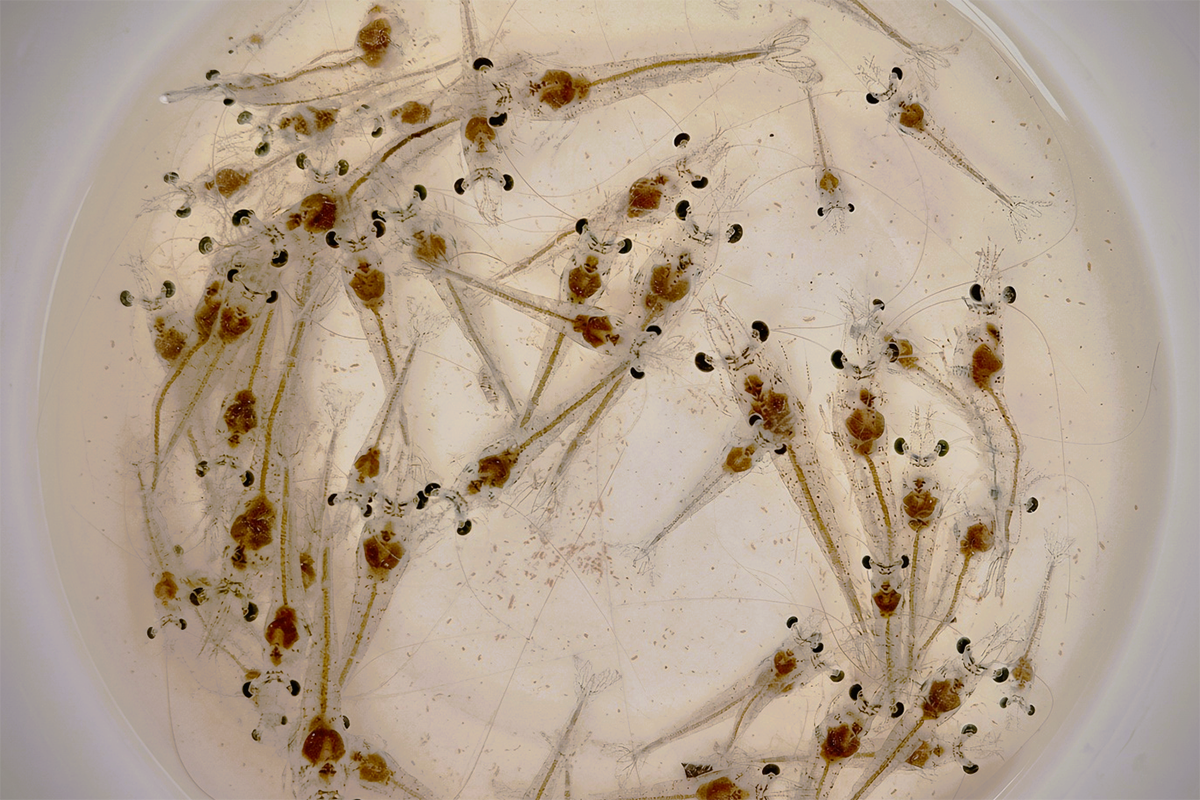
Hatchery Operations and Larval Feeding Regimes in Shrimp Aquaculture
Overview
Shrimp larval feeding strategies are crucial for the success of aquaculture but remain underdeveloped, particularly in terms of stage-specific nutrition. Despite advancements in aquaculture, gaps exist that limit the robustness of postlarval shrimp and overall farm performance.
Key Points
-
Empirical Practices: Shrimp larviculture relies heavily on empirical feeding practices rather than systematic scientific study. This creates inconsistencies in larval quality and farm efficiency.
-
Hatchery Importance: Penaeid hatcheries are a crucial part of the aquaculture production chain, yet they lack the refinement seen during the grow-out phase.
-
Economic Implications: Nutritional deficiencies in hatcheries can lead to significantly higher costs downstream, influencing nursery performance and feed conversion rates.
-
Stage-Specific Nutrition: The nutritional needs of shrimp larvae change dramatically across developmental stages, yet current feed formulations fail to address these differences adequately.
Research Findings
A recent review by notable researchers emphasizes several nutritional gaps affecting shrimp larviculture:
-
Nutrient Requirements: Current diets do not reflect the physiological changes shrimp undergo during development.
-
Protein Quality: Discussions on protein focus too much on crude levels, lacking insights into amino acid balance and digestibility.
-
Lipid Functionality: Dietary lipids should be assessed based on their functional roles rather than just their inclusion rates.
-
Artemia Usage: While helpful, the reliance on live feed such as artemia is problematic, and efforts should be made to replicate its benefits in vitro.
Recommendations
The researchers propose shifting focus to:
-
Stage- and Species-Specific Diets: Developing tailored feeding solutions that consider both the species and the different growth stages of shrimp.
-
Nutritional and Microbiome Integration: Understanding interactions between nutrition and microbial communities to improve hatchery success.
-
Application of Advanced Research Techniques: Utilizing tools such as genomics and modeling to create more effective shrimp feed formulations.
Industry Relevance
-
Aquaculture producers should prioritize the development of feeds that are not only nutrient-rich but also tailored for the specific needs of shrimp at various stages of growth.
-
Aquafeed manufacturers have an opportunity to create specialized products that enhance shrimp health and growth, reducing reliance on conventional protein sources.
Conclusion
To improve the efficiency and sustainability of shrimp aquaculture, a concerted effort is needed to bridge the gap between research and practical application in hatchery operations. Further studies aiming for specific nutritional advancements will lead to more robust supply chains and improved economic viability in the industry. Collaboration across sectors—researchers, hatchery managers, and feed manufacturers—is essential for these advancements to materialize.