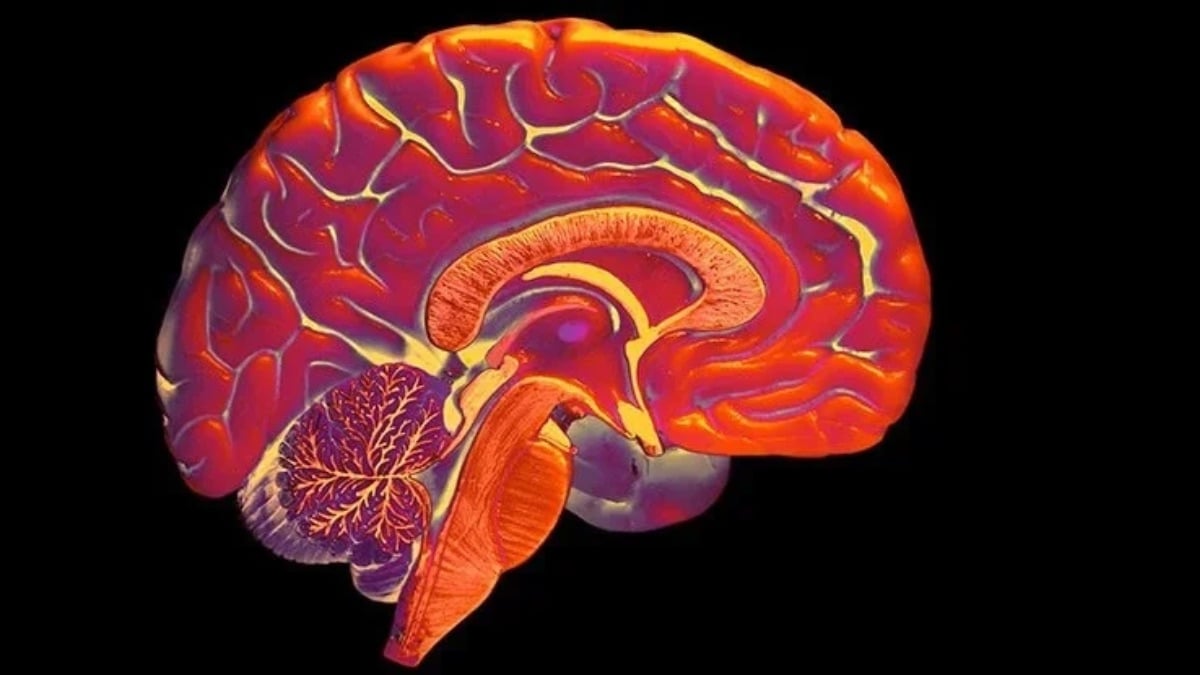
The human brain demonstrates remarkable adaptability, both creatively and physically. It can produce remarkable art and groundbreaking scientific instruments, revealing various facets of reality. This plasticity allows the brain to reshape its connections and respond to different experiences, such as sensory input or neurological changes.
Research recently highlighted how adults who have been profoundly deaf since childhood show enhanced visual processing in their brains. A team of psychologists and neuroscientists from the UK conducted a study using brain imaging techniques to compare the visual systems of deaf individuals with hearing counterparts. They found that deaf individuals tend to allocate more brain resources to peripheral vision, which may help them compensate for their lack of auditory cues.
The study utilized magnetic resonance imaging (MRI) to map neural structures and how they relate to the visual field. It specifically focused on the lateral geniculate nucleus (LGN) and the primary visual cortex (V1), discovering that while there were no significant volume differences between the groups, the distribution of neural preferences differed. Deaf participants showed a greater emphasis on peripheral vision, while hearing individuals were more attuned to central vision.
Although this adaptation can enhance certain visual skills, it may come at the cost of diminished central visual processing. The researchers suggest this reorganization is a compensatory mechanism, reflecting the brain’s ability to adapt to underused auditory systems. Future research may delve deeper into the genetic factors contributing to these differences and how they affect visual processing.
These findings were published in the Proceedings of the National Academy of Sciences, offering insights into how sensory deprivation can shape neural structures in significant ways.


