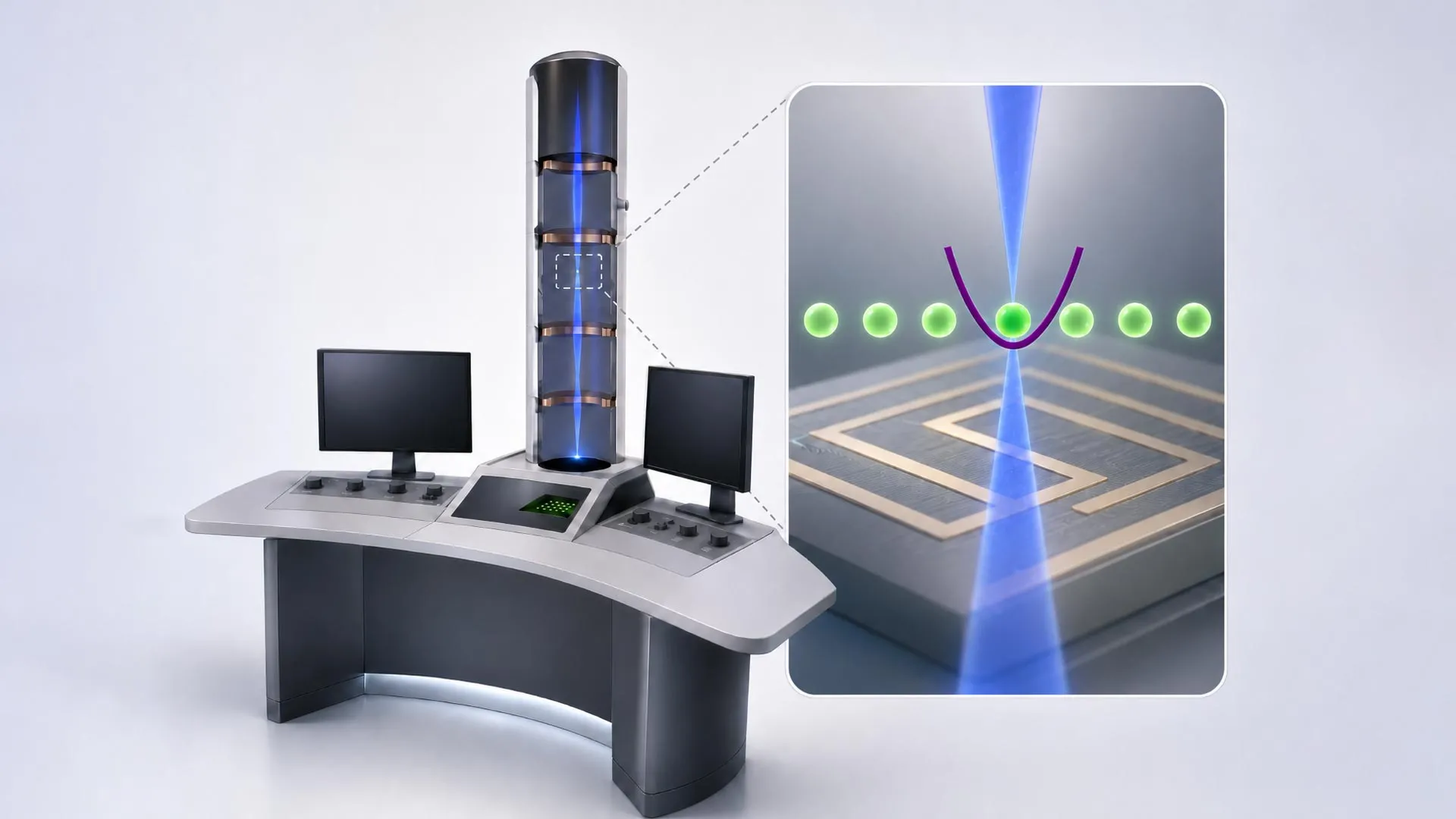
Researchers in Austria are enhancing electron microscopy by integrating it with quantum computing to extract previously untapped quantum information carried by electrons. Conventional electron microscopes primarily rely on counting electrons to form images, often requiring many electrons that can damage sensitive samples, particularly biological ones.
By connecting electron microscopes to quantum computers, scientists aim to capture additional details from fewer electrons. The researchers at TU Wien, along with teams from several universities, propose using quantum entanglement to link electrons with trapped ions in a quantum computer. This interaction allows the information from the electrons to be stored and processed, enhancing image clarity and detail.
By performing specific quantum operations, researchers can combine data from multiple electrons, enabling stronger signals even with reduced electron usage. Currently, the method has been mathematically validated, and the next step is to test it experimentally. If successful, this innovative approach could revolutionize electron microscopy, allowing for clearer images while minimizing sample exposure to electrons.
This initiative is part of the quantA Cluster of Excellence, combining expertise in quantum information, computing, and electron microscopy, with significant funding from the Austrian Science Fund and the Gordon and Betty Moore Foundation.


