Kaguya: Japan’s Historic Lunar Mission
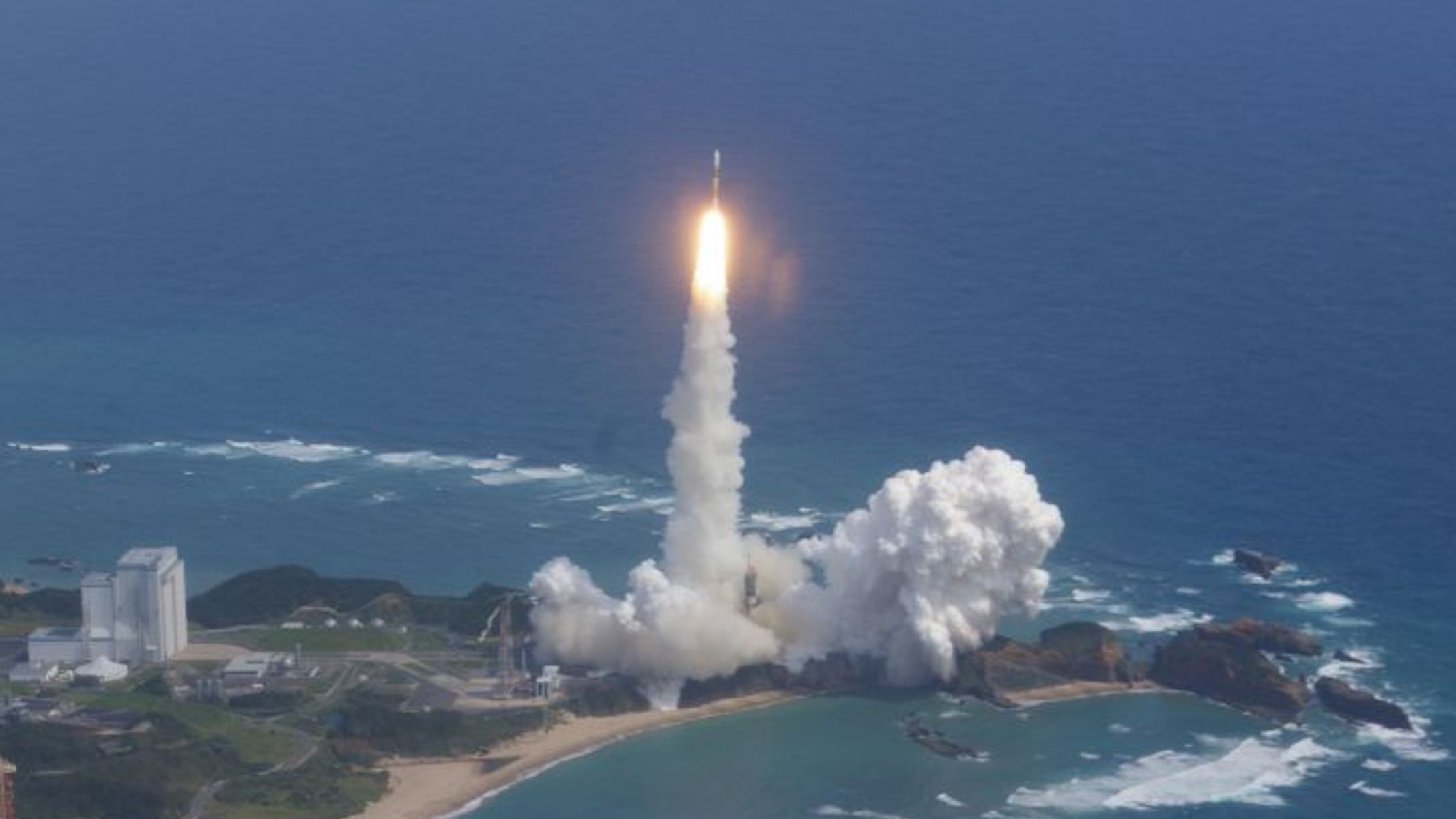
On September 13, 2007, Japan launched the Kaguya spacecraft, also known as SELENE (SELenological and ENgineering Explorer), marking the nation’s second moon mission. Kaguya was launched from the Tanegashima Space Center using an H-IIA rocket, completing two loops around Earth before heading to the moon. Although it launched on September 13 in Eastern Time, it was already September 14 at the launch site.
Mission Overview
Kaguya was equipped with 14 science instruments and two small microsatellites to map the moon’s surface and study its gravitational field. After a 20-day journey, the spacecraft entered lunar orbit, consisting of a main orbiter, a communication satellite, and another small satellite to measure the moon’s gravity. The mission ended with a planned crash landing on the lunar surface.
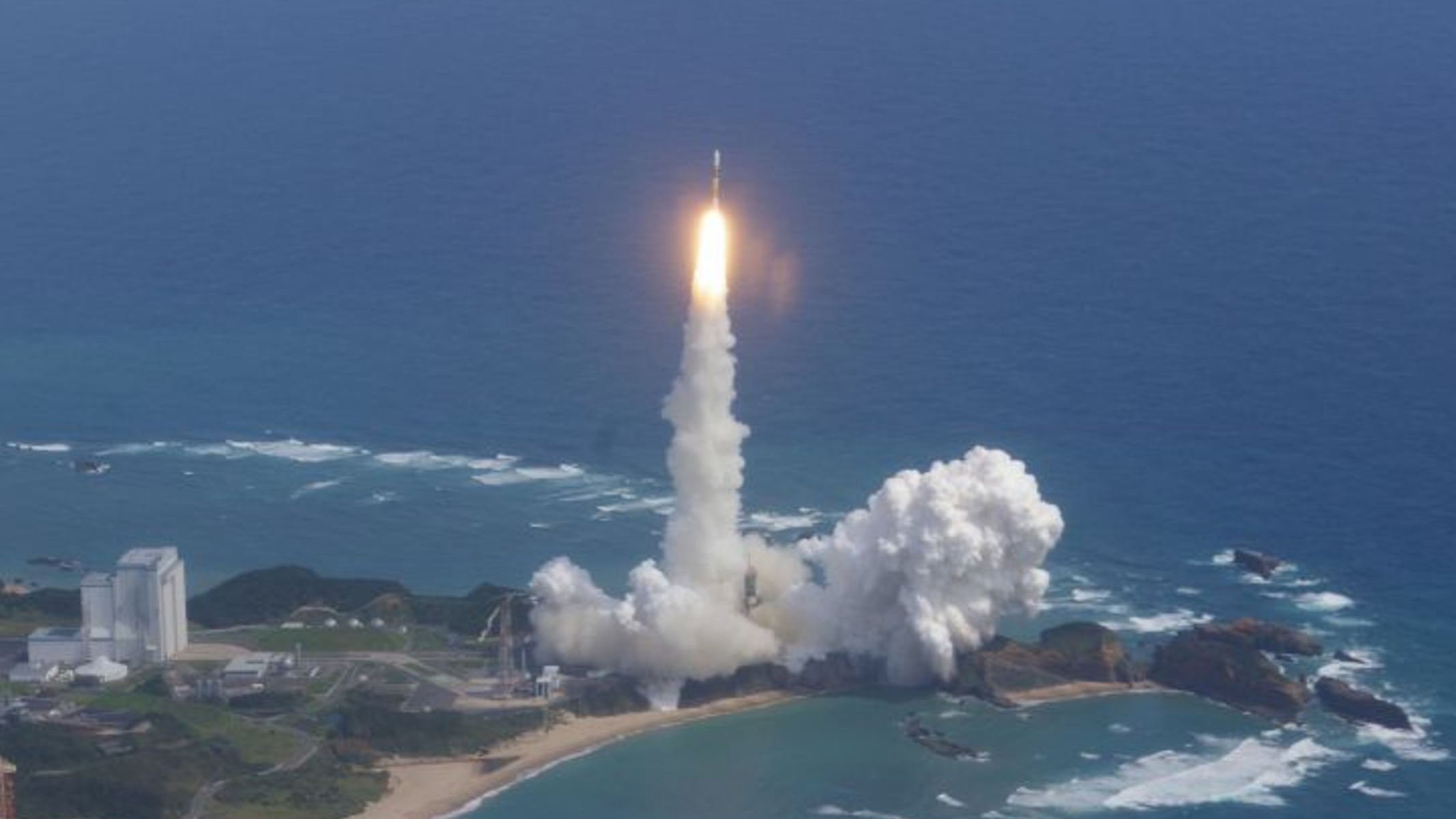
Image credit: JAXA
Why It Mattered
Kaguya was Japan’s first spacecraft to orbit the moon, following the Hiten spacecraft, which had made several flybys in 1990 but did not orbit. The probe was named after the moon princess Kaguya-hime from Japanese folklore, as decided through a public poll.
The Kaguya mission captured the first-ever HD video and images of the moon using its high-definition cameras. It provided spectacular visuals, such as Earthrise, which hadn’t been seen since the Apollo missions. The spacecraft also completed a comprehensive topographical map of the moon and detected gravitational anomalies on both the near and far sides.
After completing its primary mission in October 2008, Kaguya was set to continue its lunar operations until a faulty reaction wheel led to its early end. Ultimately, the spacecraft was directed to crash into the moon on February 12, 2009.
For more on space history, check out our complete archive here and watch our videos on YouTube.


