Mercury’s Surprising Shrinkage
Mercury, the smallest planet in the solar system, has undergone significant shrinkage—losing up to 14.5 miles in diameter, which translates to roughly 30% more than previous estimates. This contraction is primarily due to the cooling of its heavy iron core, causing the planet’s outer crust to buckle and form large cliffs and ridges.
The new findings reveal that Mercury has lost more diameter because previous research may have underestimated its contraction due to obscured rough terrain. “Thirty percent is a little bit surprising, but the corrected amount of contraction actually makes sense to me,” stated Gaku Nishiyama, a planetary scientist leading the recent study.
Hidden Features and Cratering
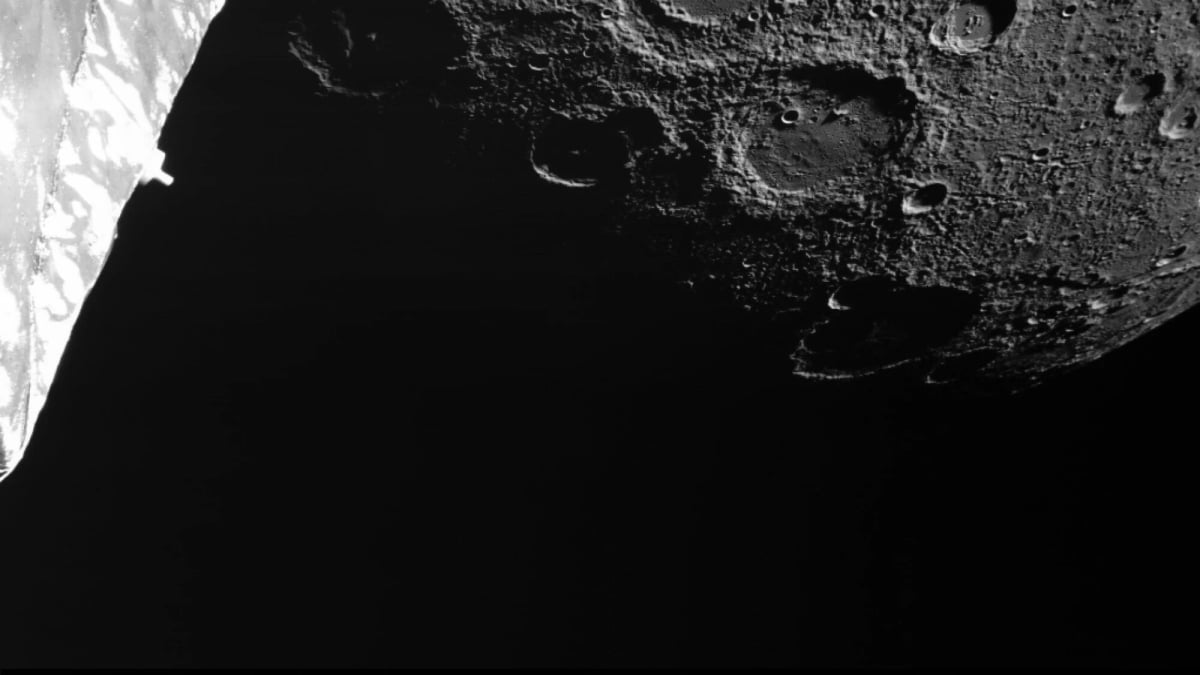
Mercury’s surface is heavily pocked by meteors, which makes the detection of tectonic features challenging. Researchers identified that the rugged areas actually had fewer visible wrinkles, with significant impacts burying tectonic cracks beneath layers of debris. This new perspective allowed for a recalculation of Mercury’s contraction.
The peer-reviewed findings were published in Geophysical Research Letters.
Implications for Understanding Planetary Evolution
The accelerated shrinkage indicates that Mercury might have a larger iron core than previously thought, suggesting it experienced a catastrophic collision early in its history. This insight could reshape our understanding of Mercury’s formation and its evolution, providing clues also applicable to the Earth and other rocky worlds.
Looking Ahead
More data will soon be available from the BepiColombo spacecraft, which is set to orbit Mercury in November. Equipped with advanced technology, it aims to uncover features that earlier missions missed, aiding in the understanding of Mercury’s unique geological history.


