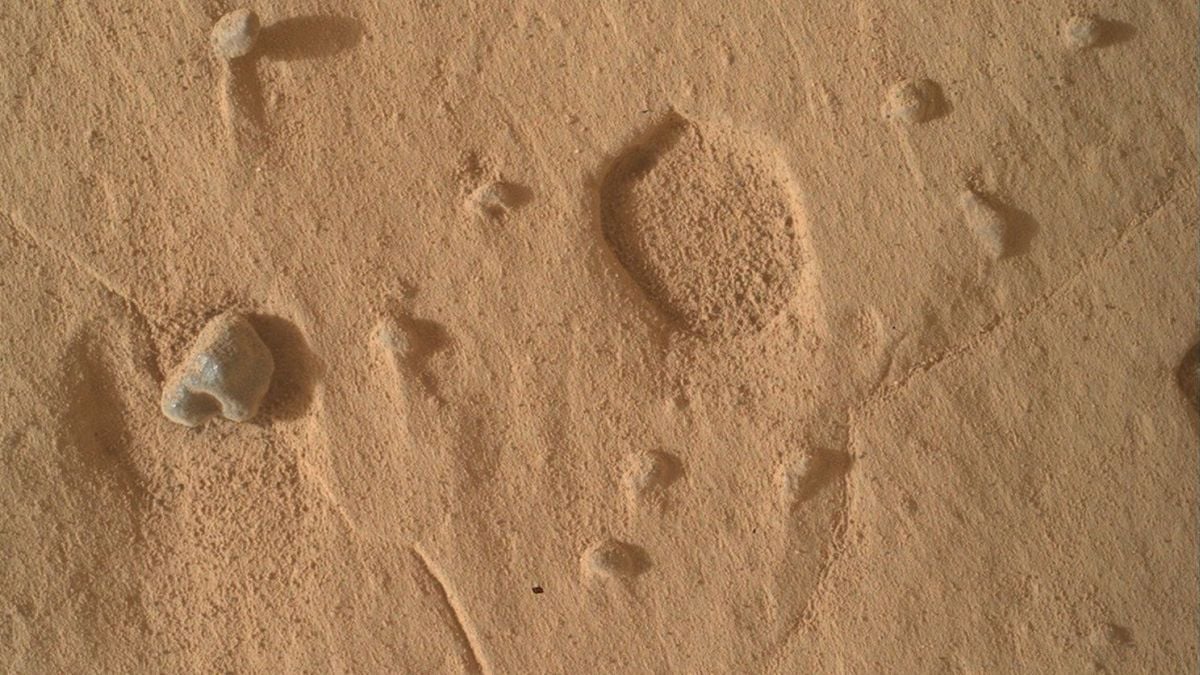
NASA’s Curiosity rover has been exploring Gale Crater on Mars for 14 years, uncovering various geological wonders. Recently, it discovered unusual tiny holes in the ground while traversing Valle Grande. These peculiar, shallow pits differ from typical small pits that usually result from mineral nodules weathering out of surrounding rock. Curiosity’s science team is analyzing the holes, which appear broad and lack any remnants of the embedded materials that might have created them.
The rover has recently ascended to new, relatively fresh terrain, allowing researchers to study the layered sulfate rocks that might hold clues about Mars’ geological history. Curiosity uses its Mars Hand Lens Imager (MAHLI) to take close-up photos for analysis, hoping to determine the origin of these enigmatic holes. As it climbs higher, Curiosity documents various ground layers, which may reveal changes in Mars’ ancient wet environment. The investigation into these holes and other unexpected features continues, promising more exciting discoveries about the red planet’s past.