Workers who are not affiliated with unions will soon have the opportunity to utilize resources from City Hall to help them organize and assert their rights in the workplace.
On Labor Day, Mayor Zohran Mamdani unveiled a new executive order establishing the Office of Worker Power, designed to connect workers with union organizers and educational resources that can inform them of their rights and assist them in workplace organization. Additionally, this office will support workers wishing to report violations of labor laws.
This groundbreaking office, the first of its kind in the nation, will be spearheaded by Tony Perlstein, a former longshoreman who previously directed the organizing department of the United Auto Workers. Perlstein will report to Julie Su, the deputy mayor for economic justice.
In a call with reporters prior to the announcement, Su outlined the rationale behind the creation of the office, highlighting recent reports that illustrate the significant disparity between affluent city residents and the struggling middle class.
“When workers can unite and build enduring, transformative power, it alters their work experiences and, consequently, their lives. In light of the shrinking number of stable middle-class jobs being supplanted by insecure, part-time positions in the gig economy, it is imperative for city government to advocate for workers now,” she remarked.
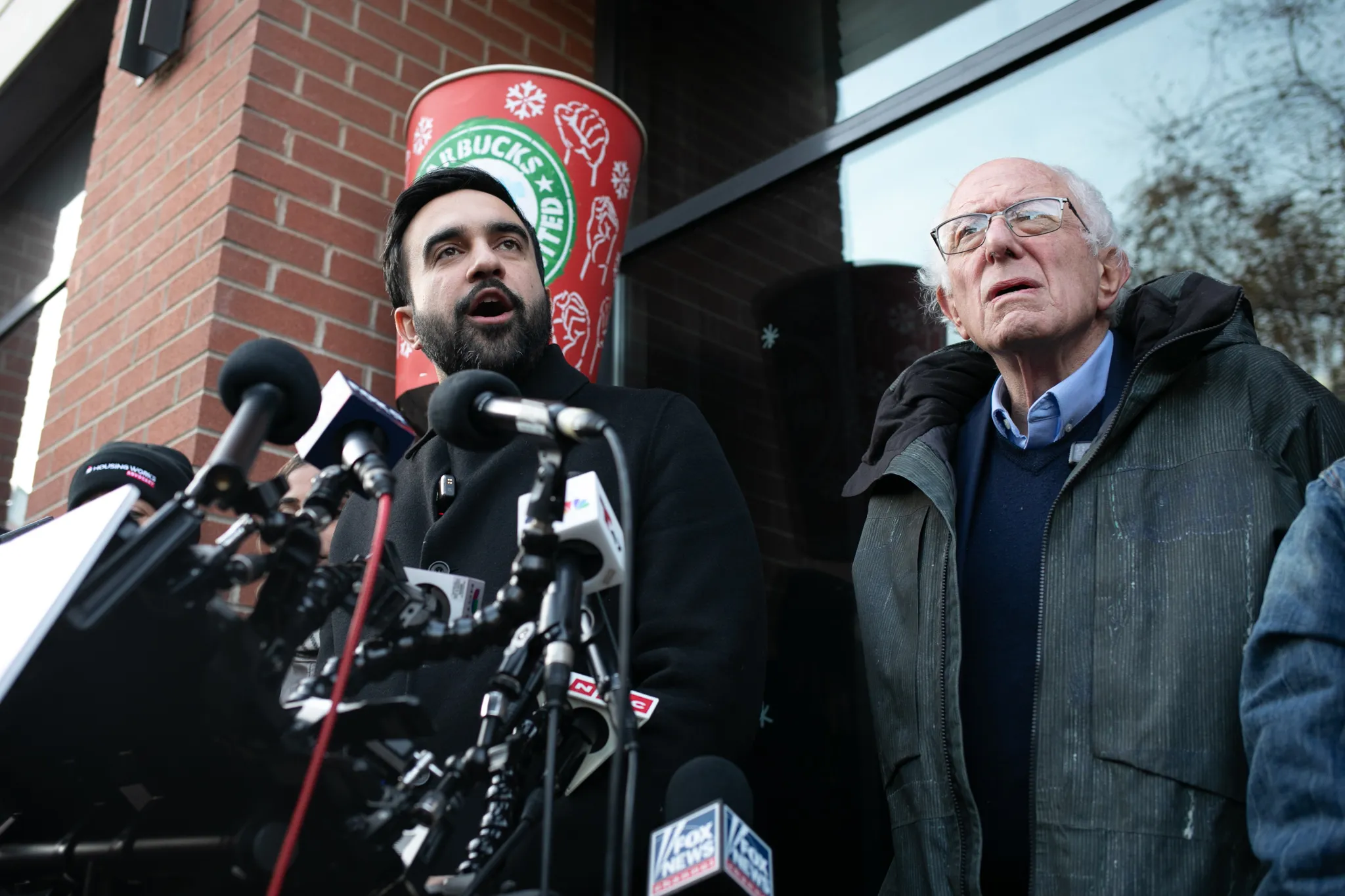
Su, who previously served as acting labor secretary under President Joe Biden, emphasized that the new office will prioritize the needs of the “most vulnerable” workers, including those in construction, domestic work, and delivery drivers, who operate on the fringes of the city’s economy. The office will focus solely on workers in the private sector to prevent potential legal entanglements.
Monday’s announcement is part of Mamdani’s ongoing efforts to enhance support for private-sector workers and bolster the enforcement of labor laws across the city.
During his first six months in office, Mamdani’s administration secured millions of dollars in settlements for back pay owed to workers in the gig and fast food sectors. Recently, the Department of Consumer and Worker Protection announced a collaboration with the Manhattan district attorney’s office aimed at simplifying the investigation processes related to wage theft and other offenses.
Inspired by a DSA Initiative
The Office of Worker Power draws inspiration from the Emergency Workplace Organizing Committee, a collaborative initiative between the Democratic Socialists of America and the United Electrical Workers. Since its launch in 2020, this committee has empowered thousands across the nation to organize unions at their workplaces.
Originally established as an extension of U.S. Sen. Bernie Sanders’ second presidential campaign, EWOC responds to inquiries from workers and connects them with volunteers—many of whom are experienced labor organizers—to aid in union formation. They provide legal resources, organizing tools, and conduct virtual workshops that guide workers through the union organization process step by step. Additionally, the initiative cultivates undercover organizers, known as “salts,” who take jobs explicitly to promote unionization.
Su clarified that the new office will not directly organize workers on-site; instead, it will function as an intermediary between workers and unions or worker centers in various industries.
“We’re not replacing unions or worker centers that perform that critical work,” she asserted.
However, the office will not provide support to public-sector workers seeking to organize or strengthen their unions, according to a City Hall representative, to avoid any potential legal issues related to management interference.
Su did not disclose specific information on the anticipated budget or staffing for the new office. The executive order also directs existing city agencies, including DCWP, the Taxi & Limousine Commission, and the Commission on Human Rights, to devise “proactive” measures for labor-related investigations.
From the Docks to City Hall
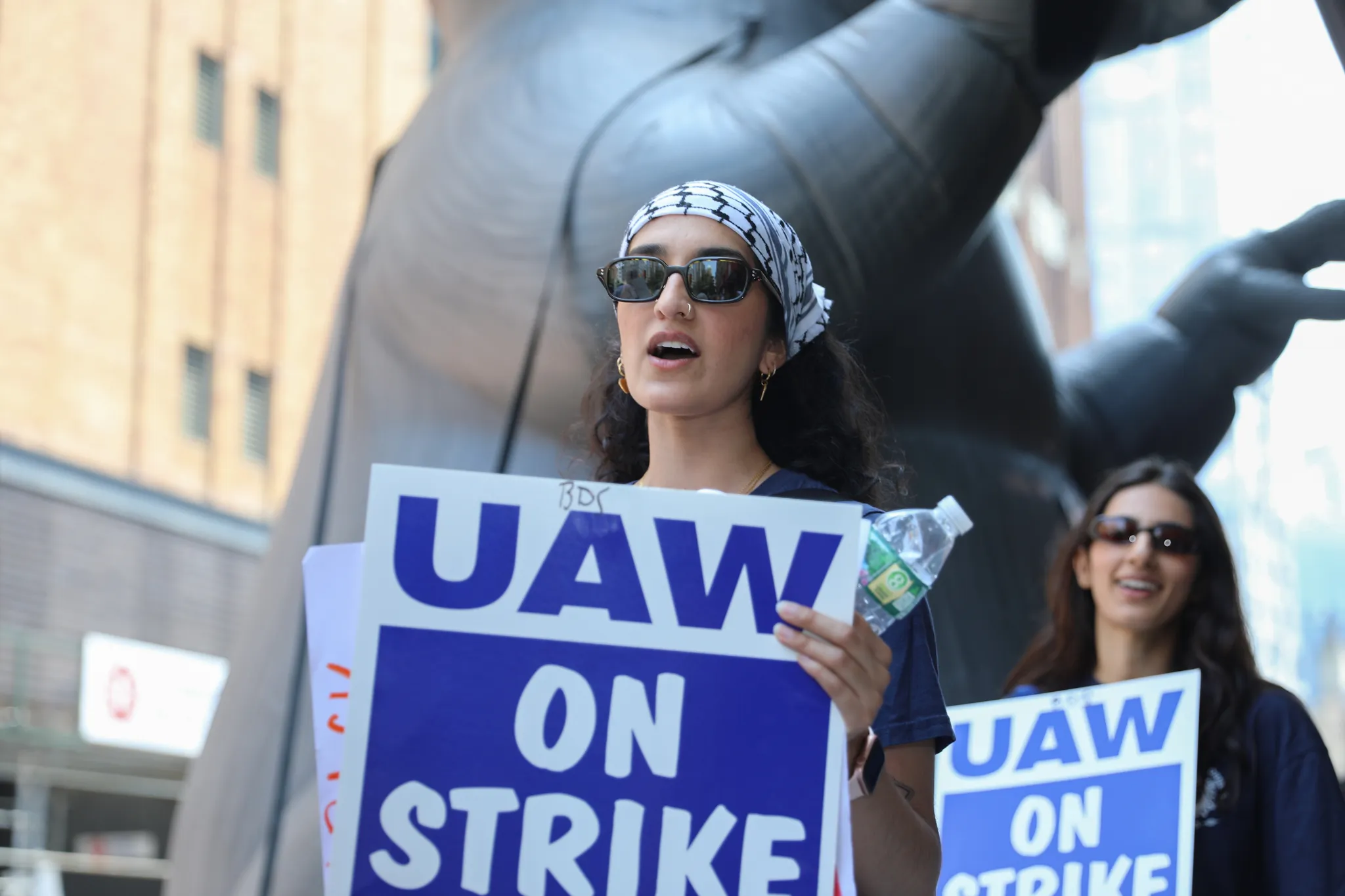
Perlstein is a notable figure in the regional labor movement. As a young longshoreman at the Bayonne, New Jersey docks at the turn of the millennium, he successfully led a reform movement to expel mob-connected officials from Local 1588 of the International Longshoremen’s Association. He rose through the ranks to serve as the local’s secretary-treasurer in 2007, following its placement under federal trusteeship aimed at eliminating corruption.
Most recently, he was the organizing director for the United Auto Workers, and in April he was appointed to the Mayor’s Fund to Advance New York City. He informed reporters in a pre-appointment call that he intended to resign from that fund.
Perlstein expressed eagerness to leverage the scope and influence of the new Office of Worker Power to facilitate further organizing efforts.
“I am deeply moved by being on the front lines with workers, but I see the immense potential of connecting a wide audience to the resources they need to stand up for themselves,” he stated.
____
1 Huey Long’s efforts could not prevent his assassination.