In February 2025, Israeli Prime Minister Benjamin Netanyahu gifted President Donald Trump a striking golden pager. This artifact commemorated Israel’s remarkable operation in September 2024 against Hezbollah, during which thousands of pagers distributed among the group’s members detonated almost simultaneously across Lebanon. A subsequent wave of explosions targeted handheld radios the following day.
This operation showcases an exceptional level of intelligence success that is hard to surpass. It required a unique blend of intelligence infiltration, deception, engineering finesse, supply-chain manipulation, operational security, and precise execution. An adversary, fearing Israeli infiltration of cellular networks, opted for what was thought to be safer, lower-tech devices, only to have those very devices turned into instruments of destruction against them.
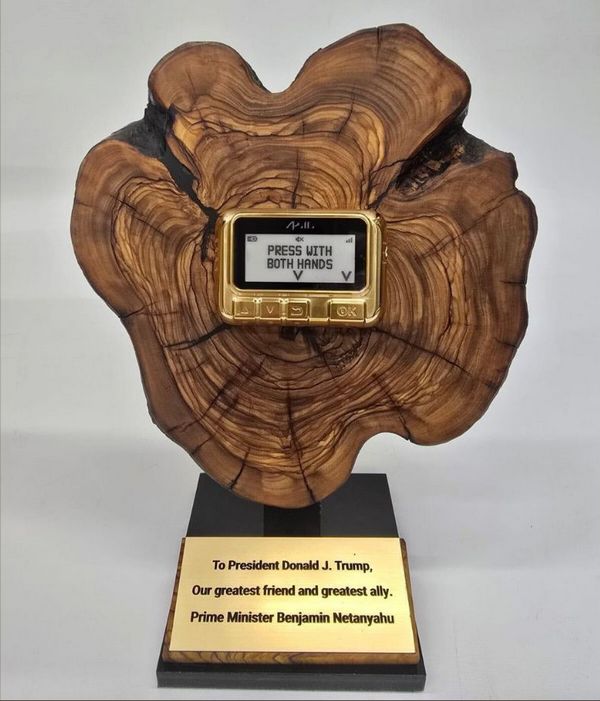
The “golden pager” presented by Israeli Prime Minister Benjamin Netanyahu to President Donald Trump. Photo: Israel Government Press Office.
While it is essential to acknowledge the achievement, one cannot overlook its broader implications. The operation exemplified an incredible capability to infiltrate an adversary and translate that into tangible and coordinated impacts. By presenting the golden pager to Trump, Netanyahu was essentially signaling Mossad’s remarkable proficiency and, by extension, Israel’s strength.
However, questions linger about the true significance of this proficiency. Did Israeli intelligence really penetrate deep enough into Hezbollah’s communication channels to place destructive devices in their members’ hands and trigger them at will? Clearly, the answer is yes. Yet more complex questions arise: How much did this operation permanently weaken Hezbollah’s military capabilities? How quickly did the group adapt? Did it impact recruitment, leadership, communication methods, or political backing? Most importantly, did it enhance Israel’s long-term security?
These issues shift the focus from technical achievement to strategic importance. The distinction is vital yet often obscured because operational success is far easier to quantify. The pagers detonated; their targets were struck; the brilliance of the operation was recognized worldwide within hours. Strategic ramifications, conversely, unfold over a longer timeframe, influenced by adaptation, succession, retaliation, political responses, and evolving incentives, sometimes manifesting over years, if not decades. Some may even elude attribution to the original operation entirely.
Elite intelligence services such as Mossad carry an air of mystique grounded in their ability to achieve incredibly complex feats. While much of their success is genuine, the danger lies in conflating demonstrated skill in covert operations with an assumption of broader strategic insight. Identifying a target does not equate to grasping a problem; destroying a target does not mean eliminating a threat; executing a mission with excellence does not inherently indicate a sound strategy. A gambit in espionage is not synonymous with winning the larger game. The golden pager illustrates that, while Israeli intelligence can hit a precise target, it does not clarify if Israel is truly winning the strategic contest. This crucial distinction between tactical success and strategic effectiveness is explored in this article.
The Cult of Proficiency
Mossad is not alone in its reputation. National intelligence services hold a distinct place in the modern political landscape. Agencies like the CIA, MI6, and their adversaries are not viewed merely as government bureaucracies; they are often revered as elite entities operating beyond the grasp of conventional institutions.
The mythology surrounding these organizations contains enough reality to sustain it. Intelligence work can involve exceptional skills—recruiting informants within hostile governments, penetrating encrypted networks, uncovering hidden weapons sites, or orchestrating covert operations in challenging terrains requires patience, technical prowess, creativity, bravery, and meticulous planning.
However, there’s a peculiar gravitational pull to proficiency. Once exhibited in one arena, it invites assumptions about competence in other areas. The intelligence professional is perceived as someone who knows things beyond our grasp, recognizes dangers unseen by ordinary observers, and comprehends the true mechanics of global affairs. Much of their compelling evidence remains concealed as divulging it could compromise sources and methods. This creates a conundrum for the outsider: the very secrecy that prevents independent evaluation contributes to an atmosphere of deference.
This phenomenon gives rise to what one might term an intelligence proficiency cult. This term does not suggest that proficiency is a myth; rather, it reflects the migration of admiration for operational execution into unwarranted assumptions about broader comprehension and judgment.
Operational prowess is relatively easy to identify: a source is recruited, a facility is demolished, a hostage is rescued, a leader is eliminated, a network is infiltrated. Each accomplishment has a specific goal, a clear beginning and end, an identifiable actor, and often a quantifiable outcome.
Strategic judgment lacks these clear characteristics. Determining whether an assassination truly weakened a group may remain uncertain for years; gauging whether sabotage delayed a weapons initiative significantly enough is a judgment steeped in counterfactual reasoning; and whether overthrowing a regime improved the geopolitical landscape is often debated for generations.
Consequently, dazzling covert operations enjoy a significant presentational advantage over strategic realities. Former intelligence officials often emerge as authoritative voices on matters of diplomacy, conflict, terrorism, political movements, foreign cultures, and national intentions. Their experience may afford them rare insights, but expertise in clandestine operations does not inherently translate into superior judgment about the political contexts in which those operations take place.
The inferences drawn from intelligence capabilities can be beguiling: they can penetrate the adversary; therefore, they comprehend the adversary; thus, they can anticipate the adversary’s actions; ultimately, they know how to address the adversary. Each assertion necessitates evidence that the preceding proposition does not substantively supply.
Popular culture significantly amplifies these inferences. Intelligence agencies possess a compelling narrative that most governmental entities could only dream of: an expansive fictional backdrop. Films, novels, and television series have long portrayed intelligence operatives as individuals who know more, endure more, and achieve more than the average person.
James Bond serves as the archetypal figure in this narrative. The adversary is clear, the risk monumental, and the goal straightforward. Bond infiltrates the nefarious organization, uncovers the plot, navigates obstacles, and neutralizes the threat. The story concludes because the mission itself provides closure. The elimination of the target resolves the problem.
Jason Bourne offers an even purer fracas. Stripped of his memory, identity, and former loyalties, he nevertheless retains one essential characteristic: unparalleled operational prowess. The myth portrays his fundamental essence: proficiency.
The irony lies in how much spy fiction has contributed to the mystique of intelligence work. Renowned author John le Carré, who made the secret world culturally engaging, provided a sobering perspective on its historical relevance. “It wasn’t the spies who won the Cold War,” he remarked in 1993. “In the end, I don’t think the spies mattered much at all.” Years later, he reiterated, “Spies did not win the Cold War. They made absolutely no difference in the long run.”
Le Carré, having worked with MI5 and MI6 before becoming an acclaimed novelist in the realm of espionage, recognizes the divergence between operational intrigue and strategic impact. Espionage yields captivating tales of betrayal, bravery, deception, and technical ingenuity, along with a cultural mythology that flourishes. However, the collapse of the Soviet Union ultimately stemmed from factors that had very little to do with the clandestine warfare that ensnared both opposing sides.
Intelligence agencies benefit from this complex cultural legacy. When Mossad penetrates an adversary’s communication systems or the CIA apprehends a fugitive after years of searching, the event resonates in a public narrative already primed to understand its significance: the professionals showcased their abilities, and the mission succeeded.
When an intelligence agency accumulates enough celebrated victories, its reputation can approach a mythical status. New achievements reinforce institutional identity: Of course Mossad could accomplish that. Failures, however, receive contrasting treatment, often categorized as anomalies warranting special explanations: a collection failure, an analytical lapse, a personal error, a coordination issue, or an unfortunate turn of events. For elite intelligence organizations, success is often generalized; failure becomes particularized.
This creates a critical error at the core of the proficiency cult: demonstrated expertise in clandestine operations does not equate to a broader presumption of strategic competence. The intelligence agency may exhibit extraordinary skills in challenging cases, but that does not mean it comprehends the strategic dilemmas at hand, can predict their trajectories, or possesses solutions.
Gambits Are Not Games
The primary flaw of the intelligence proficiency cult is treating operational success and strategic outcomes as variations of the same thing. They are not. A target does not constitute a problem. A mission is not synonymous with a strategy. Proficiency does not equate to wisdom. A gambit is not a game.
Consider the contrast between darts and chess. In darts, the objective is straightforward: strike the bull’s-eye. Success is evident in hitting the target. In chess, however, the value of a piece depends on the unfolding game. Capturing a piece can be executed flawlessly and still yield disastrous consequences due to the game’s strategic implications.
Clandestine endeavors are often framed as dart successes when they should be assessed as strategic chess moves. An enemy scientist is killed. A terrorist leader is apprehended. A nuclear site is sabotaged. A network is infiltrated. A government is destabilized. Each operation may register as a tactical achievement, yet none provides insights into the broader geopolitical implications.
The problem emerges with target substitution. Complex strategic dilemmas comprise political systems, institutions, populations, technologies, grievances, incentives, cultures, alliances, and adaptive adversaries. Intelligence organizations must make these dilemmas actionable. Military proliferation may reduce to a scientist, a facility, or a procurement network. Terrorism can simplify into a leader, financier, communications hub, or training base. An insurgency devolves into recognizable people and organizations.
This transformation is often operationally essential, as intelligence agencies cannot simply sabotage the abstract concept of military proliferation. They must act against tangible components. The real issue arises when this actionable view of the problem is mistaken for the problem itself. Assassinating a scientist does not eradicate his knowledge; eliminating a commander does not guarantee the organization’s collapse; destroying a facility does not ensure the program it supported is gone; and toppling a government does not automatically enact the political change desired.
This capacity for operational myopia is the result of evaluating actions within a constrained context that fails to adequately assess the consequences determining ultimate value. Within the narrow confines, the immediate outcomes may appear flawless—the right individual was chosen, the weapon functioned, and the target was neutralized. However, outside these boundaries, one finds succession, regeneration, adaptation, retaliation, political responses, escalation, opportunity costs, and modified adversary incentives. These are not peripheral effects; they often dictate the strategic outcome.
Leadership decapitation illustrates this challenge. Removing a leader may eradicate years of accumulation and disrupt an organization. However, the successor may be more adept, ambitious, or even harder to locate. The organization may decentralize and grow harder to infiltrate. A deceased leader may gain greater significance as a martyr. Conversely, the successor may lack competence, leading to fragmentation. Decapitation engenders succession, but the original actor does not select who succeeds.
A more nuanced argument might propose cumulative effects: no single strike need be decisive. Follow-up operations may deplete leadership, squander security resources, disrupt communication channels, and gradually weaken the adversary. While this is a reasonable assertion, it requires empirical validation. If cumulative degradation positions the success narrative, it becomes essential to assess the resultant trajectory.
The proficiency cult encourages a contrary form of accounting: operations arrive incrementally, each target is significant, and successful strikes are merely additional accomplishments. Every replacement becomes another target to eliminate. Repeated operational success can become immune to strategic scrutiny: if the strike neutralizes its designated target, the operation is deemed successful; if the adversary persists, that very persistence justifies another strike.
The logic parallels bloodletting in historical medical practices. The treatment demonstrably achieves an objective, yet the patient remains ill. Instead of reevaluating the underlying causal framework, the persistence of illness validates the need for additional treatment. Operational success, paired with strategic shortcomings, can create a similar inversion: every successful operation validates the approach, while a lack of strategic outcomes justifies the next operation.
This is not to claim that clandestine operations lack strategic merit. Some yield significant strategic dividends, and specific challenges can indeed be resolved by identifying and neutralizing the right target. The analytical necessity is that this connection must be substantiated, not merely presumed. Intelligence agencies excel at showcasing the first half of the argument: they found the individual, penetrated the network, sabotaged the facility, or destroyed the weapon. Strategic validation demands the second half: What were the ramifications of these actions? The proficiency cult halts at the immediate success; strategic analysis must broaden to encompass the entire arena.
From Entebbe to the Golden Pager
Certain instances exist where the dartboard analogy functions reasonably well. Operation Entebbe is a prime illustration. On June 27, 1976, an Air France flight from Tel Aviv to Paris was hijacked after departing Athens, ultimately rerouted to Entebbe Airport in Uganda. The assailants segregated Israeli and Jewish passengers from the majority and held them captive, demanding the release of prisoners. On July 4, Israeli operatives undertook a more than 2,000-mile journey to Uganda, storming the terminal, neutralizing the hijackers, and rescuing most of the hostages. The assault force’s commander, Yonatan “Yoni” Netanyahu, was killed in action.

Israeli commandos preparing for the Entebbe raid
Entebbe has become a foundational story showcasing Israeli military and intelligence competence for good reason. It was a profoundly challenging operation that demanded intelligence gathering, deception, logistical planning, surprise, bravery, and flawless execution. More importantly, its operational goals aligned closely with strategic objectives. The hostages faced immediate threat, their whereabouts were known, the adversaries identifiable, and the desired result was crystallized: rescue the hostages. Achieving the mission would, in itself, significantly address the larger context.
Thus, Entebbe serves as a useful control case. Operational proficiency can yield decisive strategic outcomes when the issues at hand are clearly defined. The risk arrives in extrapolating this conclusion. Entebbe epitomizes an almost irresistible paradigm of national-security action: identify the threat, infiltrate vulnerable defenses, execute precise actions, and resolve the issue at hand. Entebbe exemplified the congruence of target and problem.
In contrast, Iran is not an airport terminal; Hezbollah is not a group of hijackers guarding hostages; Hamas is not a command center; nuclear proliferation is not merely a centrifuge facility; Palestinian politics is not a discrete target set; and Lebanon is not solely a communication network of pagers.
These adversarial challenges embody complex adaptive systems comprising institutions, populations, technologies, political factions, ideologies, grievances, external support, cumulative knowledge, succession mechanisms, and learning capacities. An intelligence operation can disrupt such a system; it does not necessarily eliminate it.
This distinction between Entebbe and the golden pager is critical. The attack on the pagers in September 2024 was an impressive feat of intelligence. Israeli operatives managed to infiltrate the supply chain through which Hezbollah acquired communication devices, turning tools intended to shield the organization from Israeli eavesdropping into weapons against their bearers.
Yet the pager network did not represent Israel’s primary strategic challenge. The essence of Hezbollah’s threat to Israel lies not within a cache of pagers but in a broader socio-political system encompassing fighters, commanders, armaments, infrastructure, political structures, support networks, accumulated expertise, and external patrons. The strike may have inflicted damage, but the pivotal question remains: how much damage occurred, for how long will it persist, and what subsequent consequences will arise?
Spanning nearly fifty years, the narratives of Entebbe and the golden pager are intertwined despite their differing analytical relevance. At Entebbe, effectively neutralizing the target substantially resolved the problem; in contrast, the pager operation illustrated Israel’s capacity to strike specific targets. The larger strategic implications await further exploration.
The Ledger Nobody Keeps
If intelligence agencies operated like ordinary organizations, one would expect their reputations to be based on a reasonably thorough accounting of their performance. Successful operations would bolster their standing while failures would be marked against them. Long-term outcomes would be weighed against objectives, and misguided operational theories would naturally face reconsideration. Unfortunately, the nature of intelligence work exists within an environment resistant to such detailed assessments.
Successes and failures in intelligence are characterized by markedly different attributes. Successes are often discrete, visible, vivid, and directly attributable. A hostage is freed; a fugitive apprehended; a facility sabotaged; a leader eliminated. The narrative is straightforward. Failures, however, are diffuse, temporally extended, causally complex, often classified, and nearly always open to debate. Success carries a clear agent: “Mossad did it.” Failure speaks in a passive voice: “Warnings were overlooked.”
Successful operations can become legendary achievements, while failures demand dissection into causative factors. Did the failure stem from a collection lapse? An analytic oversight? Did policymakers neglect a warning? Did an individual misjudge? Was the failure systemic? Each question bears merit. Intelligence operates against adversaries who conceal, deceive, and adapt. No reasonable evaluation can demand omniscience. However, the cumulative effect of these nuances is striking: successes consolidate validation for the agency, while failures diffuse accountability.
Every operational success appears to underscore the agency’s strength, while failures necessitate explanations. Success provides an engaging narrative; failures yield complex discussions. The operation involving the golden pager can be summarized in a headline. Grasping the institutional failures leading to the 9/11 attacks requires an extensive investigation with numerous pages of findings, timelines, disputed warnings, and arguments about what different agencies and officials comprehended. Complexity in failures can dilute institutional responsibility.
In the face of adversity, defenses may form a structured withdrawal. An adverse event did not transpire; if it did, perhaps it lacked authorization; if it was authorized, individual officers might have deviated from directives; if the actions met institutional standards, perhaps the failure was systemic; and if the system failed, classified successes might have averted something worse. Each of these defenses could hold validity. Still, the aggregate effect is pronounced: descriptive evidence accumulates as institutional credit while negative evidence can often dissipate responsibility.
Secrecy exacerbates this imbalance. Intelligence agencies inevitably retain knowledge that the public cannot access, and the protection of genuine sources and methods may be necessary for decades. However, uncertainty does not equate to evidence of success. Intelligence organizations may possess a secret inventory of classified triumphs along with an equally hidden repository of failures. If the contents of this secret ledger remain unknown, it follows that they cannot logically be evaluated solely on the credit side.
Counterfactual assertions demand symmetry. Perhaps an assassination thwarted a catastrophic attack, sabotage averted war, or successive strikes diminished an adversary that might have escalated significantly. Yet one must also consider: might allowing a cautious leader to remain in power yield better results than his successor? Might sustaining an intelligence penetration have generated more value than exploiting it? Could an operation incite retaliation or adaptations worse than the original threat it neutralized? The unknown inventory of classified successes cannot be counted while excluding the negative counterfactuals.
Claims about cumulative operational effects lend themselves to greater scrutiny. If the premise states that continual disruption, attrition, and leadership depletion are intended to weaken an adversary over time, then the relevant measurement becomes the overall trajectory.
The CIA’s Phoenix Program during the Vietnam War presents a critical test case. Phoenix aimed to identify and “neutralize” the Viet Cong Infrastructure through capture, defection, and elimination. Despite disputes over specific counts and methods, the program operated on a scale exceeding the famed assassinations predominant in contemporary intelligence narratives.
Its tactical outcomes were substantial. Official records from 1968–1972 report over 81,000 members of the Viet Cong Infrastructure neutralized, including approximately 26,000 killed, the remainder captured or defected. These figures do not denote 26,000 targeted assassinations; most of the deceased arose from military engagements. Nonetheless, by any reasonable appraisal, Phoenix and the intelligence-driven campaign surrounding it diminished a significant number of personnel from the Viet Cong political network. Proponents claim this impaired the underground and imposed meaningful organizational impairments.
Yet, the Phoenix initiative also highlights the limitations of a body-count rationale. If eliminating enough content of a hostile network could potentially yield strategic victory, then Vietnam presented a vast experiment to test this thesis. The United States could tally recognized eliminations; however, this did not suffice to enable South Vietnam to endure following the eventual withdrawal of American support. A campaign that “neutralized” tens of thousands within the enemy’s political structure did not secure the anticipated strategic outcome its impressive tactical statistics might suggest.
Effective institutions require corrective feedback. If repeated actions fail to deliver the anticipated strategic results, the underlying theory connecting actions to outcomes warrants scrutiny. Localized successes cannot usurp the requirement for overarching efficacy.
The appropriate intelligence ledger cannot consist solely of successful missions. It must address what transpires following operational triumphs: did the targeted organization weaken appreciably? Did the weapons initiative recede? Did the political landscape shift positively? Did the threat abate? Did the necessity for further coercive interventions decrease? If affirmative, operational proficiency merits strategic recognition. If not, the rationale for another similar action requires reevaluation.
Tactical Focus, Strategic Blindness
The rebuttal to this critique asserts that intelligence operates within an inherently uncertain domain. Adversaries conceal intentions, introduce false data, compartmentalize plans, pivot directions, and can sometimes surprise even themselves. An intelligence agency that never erred would not exhibit proficiency; it would hint at omniscience. This is not the criterion proposed here. The highlighted historical failures arise not simply from missed meetings, undetected agents, or erroneous satellite assessments. They pertain to wars, nuclear confrontations, strategic surprises, penetrations within the intelligence service, and fundamental miscalculations involving major adversaries. Consider the CIA’s historical record.
The Bay of Pigs was more than a failed clandestine mission; it involved the CIA orchestrating a plan rooted in excessively optimistic beliefs regarding a small exile invasion’s potential political impact within Cuba. The April 1961 landing ended in catastrophic failure, ultimately humiliating the Kennedy administration and reinforcing Fidel Castro’s reliance on the Soviet Union.
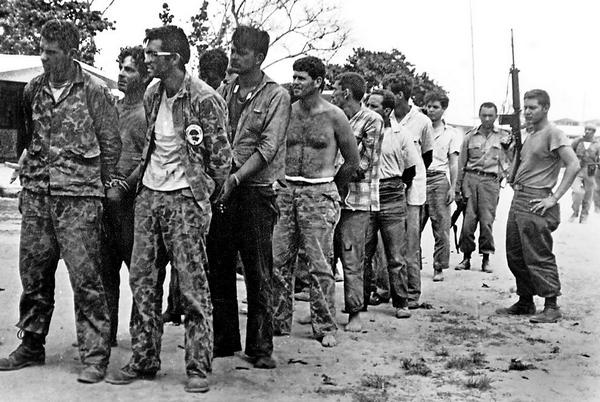
Prisoners after the failed Bay of Pigs invasion
Beyond the shoreline, consequences persisted. Kennedy intensified efforts to eliminate Castro, prompting Cuba to seek greater security against potential invasions. Operation Mongoose followed, eventually culminating in the installation of Soviet nuclear missiles in Cuba within eighteen months. While it would be overly simplistic to assert that the Bay of Pigs “caused” the Cuban Missile Crisis, a clandestine operation intended to rectify the Cuba situation morphed into a series of actions and reactions that heightened the danger significantly. This underscores the importance of evaluating clandestine operations within a broader systemic boundary.
Moving toward the opposite end of the Cold War, a different intelligence dilemma arose. The Soviet Union remained the focal point of American intelligence collection and analysis for decades. Satellites scrutinized it. Signals were intercepted. Defectors were interrogated. Its military capabilities, economic performance, and internal politics faced rigorous examination. Yet suddenly, the Soviet system plummeted into a terminal crisis, vanishing swiftly, a scenario the American intelligence sector had failed to predict. Analysts identified numerous economic, political, and ethnic tension issues, yet political collapse is highly challenging to forecast. This contrast becomes illuminating: an intelligence service can know with great precision where missile silos are, but remain grossly uncertain regarding the underlying political viability of the nation that owns them. This demonstrates operational myopia on a grand scale.
The Aldrich Ames affair presents an even starker case, arising in the CIA’s core operational realm. Ames, a CIA officer specializing in Soviet counterintelligence, became a spy for the Soviets in 1985, compromising American agents and assets—some of whom faced fatal consequences—while showcasing conspicuous wealth incongruent with his government salary. The importance of this case lies not in the penetration of the intelligence service; virtually every major agency faces such threats. Rather, it exposes the divide between myth and the stark reality: an institution renowned for infiltrating adversaries was itself compromised for years by an officer operating in the very area where it should have maintained heightened vigilance.
Then came September 11. This event was not merely a “CIA failure.” It laid bare deficiencies within a broader network spanning intelligence, law enforcement, aviation security, and policymaking frameworks. Warnings about al-Qaeda existed alongside fragmented relevant information. The system ultimately failed to utilize what it knew to avert the most significant foreign attack on the United States since Pearl Harbor. Collection represents merely one component of intelligence efficacy; recognizing and manipulating that information is equally vital. More information does not guarantee heightened understanding.
The ordeal surrounding Iraq’s weapons of mass destruction (WMD) unfolded differently, targeting an ascertainable existential condition: Did Saddam Hussein’s Iraq possess the weapons it was reputed to have prior to the 2003 invasion? The primary assessments turned out to be erroneous. While disputes regarding politicization, caveats, dissenting evaluations, and exaggerated claims by policymakers matter, they do not eliminate the fundamental analytical failure. American intelligence crafted high-confidence conclusions about Iraq’s military capabilities, which subsequent investigations could not substantiate, contributing to a rationale for an invasion whose extensive human, financial, and geopolitical toll escalated the fallout from the intelligence misjudgment.
Afghanistan provides a further variation. After two decades inside the nation, the United States commanded intelligence officers, military intelligence, surveillance systems, diplomatic channels, alliances, contractors, Afghan institutions, and vast data reserves. Yet, in 2021, the Afghan government and security forces collapsed remarkably fast. While the act of withdrawing itself altered incentives, and political systems can swiftly cross thresholds, the ease of that collapse raises a pressing question: How well did the United States grasp the political and institutional architecture it had invested twenty years to stabilize?
These cases shouldn’t be homogenized. The Bay of Pigs represented both operational and strategic failures. The Soviet collapse embodied a strategic warning dilemma. Ames exemplified a counterintelligence breach. 9/11 exposed deficiencies in warning and integration across multiple institutions. Iraq’s WMD case was an analytic miscalculation with vast policy ramifications. Afghanistan highlighted the limitations of prolonged strategic comprehension. Their diversity underscores the crux of the issue.
Should the mythology surrounding intelligence maintain more modest claims—acknowledging that intelligence officers occasionally execute extraordinarily challenging missions with exceptional skill—there wouldn’t be a contradiction from these episodes. However, that larger narrative ascribes epistemic prestige to intelligence institutions, implying they can see beneath surfaces, comprehend hidden threats, anticipate adversaries, and furnish insights unattainable through conventional means. This grandiose claim must contend with the larger ledger.
An intelligence organization may uncover where an adversary resides, what communication devices they possess, what vehicle they employ, and when they will arrive at a designated location. They might infiltrate a supply network or sabotage operations without setting foot in a facility. Yet that same national intelligence sector can miscalculate whether a military invasion will succeed, remain uncertain about an adversary nearing collapse, misjudge whether terrorists are plotting a catastrophic event, or mistakenly conclude that a targeted state possesses the armaments attributed to it. The truth is that tactical acuteness can coexist with substantial strategic blindness.
Failure-Induced Hypertrophy
The failures discussed above exhibit a peculiar characteristic: they have not significantly impeded the long-term expansion of the intelligence organizations culpable for averting them. This does not imply a lack of consequences stemming from intelligence failures. Directors may resign; congressional committees might launch investigations; reports detailing failures are generated; protocols undergo revision; oversight mechanisms materialize; and budgets occasionally decrease.
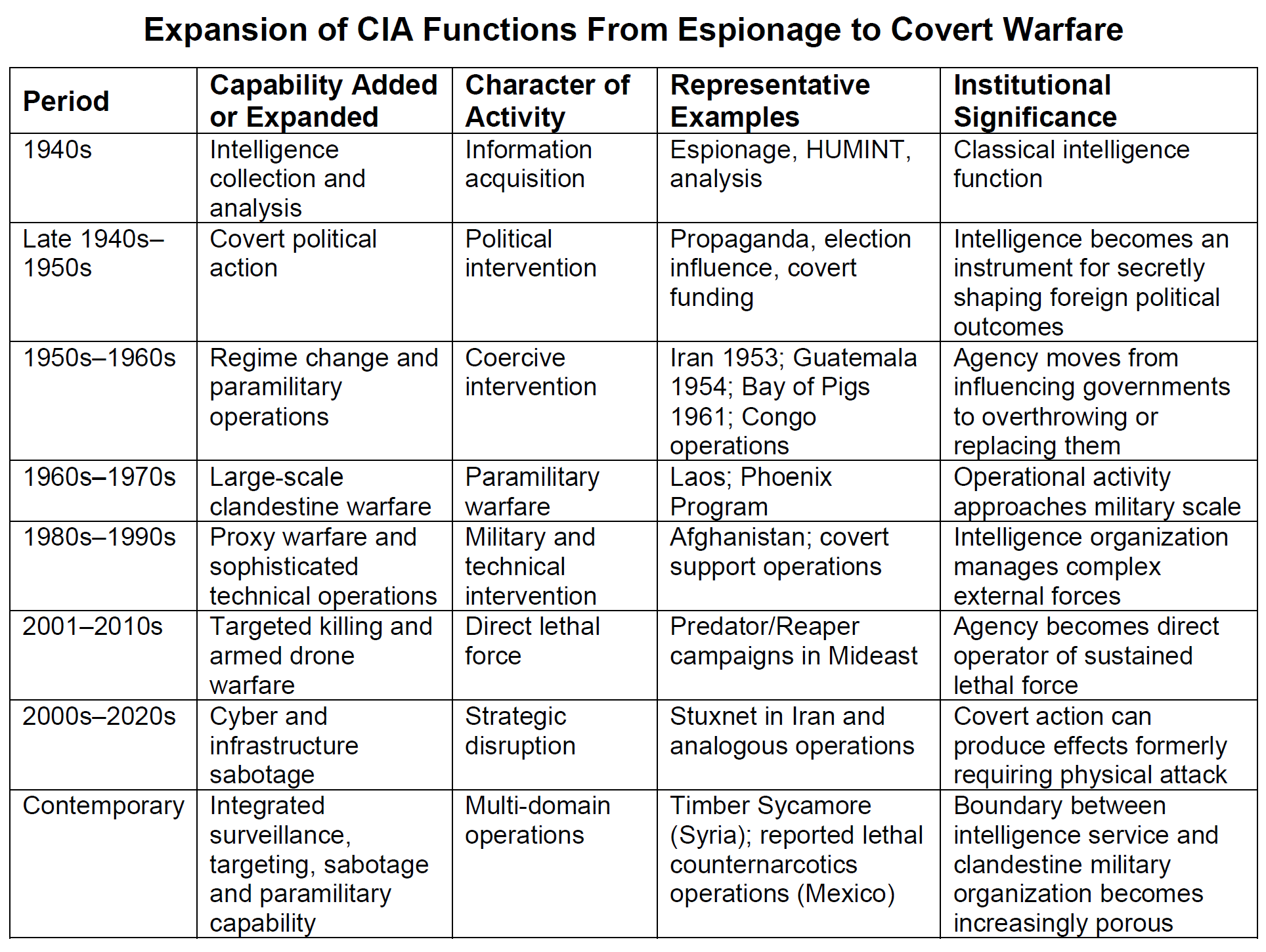
Nevertheless, stepping back to critically analyze the CIA throughout its history reveals a conspicuous trajectory. Established in 1947 primarily for the purposes of collecting, coordinating, evaluating, and disseminating intelligence related to foreign security, the CIA soon embraced covert political-action duties. These responsibilities expanded into sabotage, regime changes, paramilitary operations, proxy conflicts, and assassination efforts. By the dawn of the twenty-first century, the CIA had acquired armed unmanned aerial vehicles and expanded its global presence to locate, target, and eliminate individuals thousands of miles from American shores.
This growth has not been uniform. Missions have evolved, budgets have fluctuated, and certain programs have been scrapped. Nevertheless, an undeniable trend continues to emerge, underscoring overall accumulation. The accompanying timeline illustrates this growth:
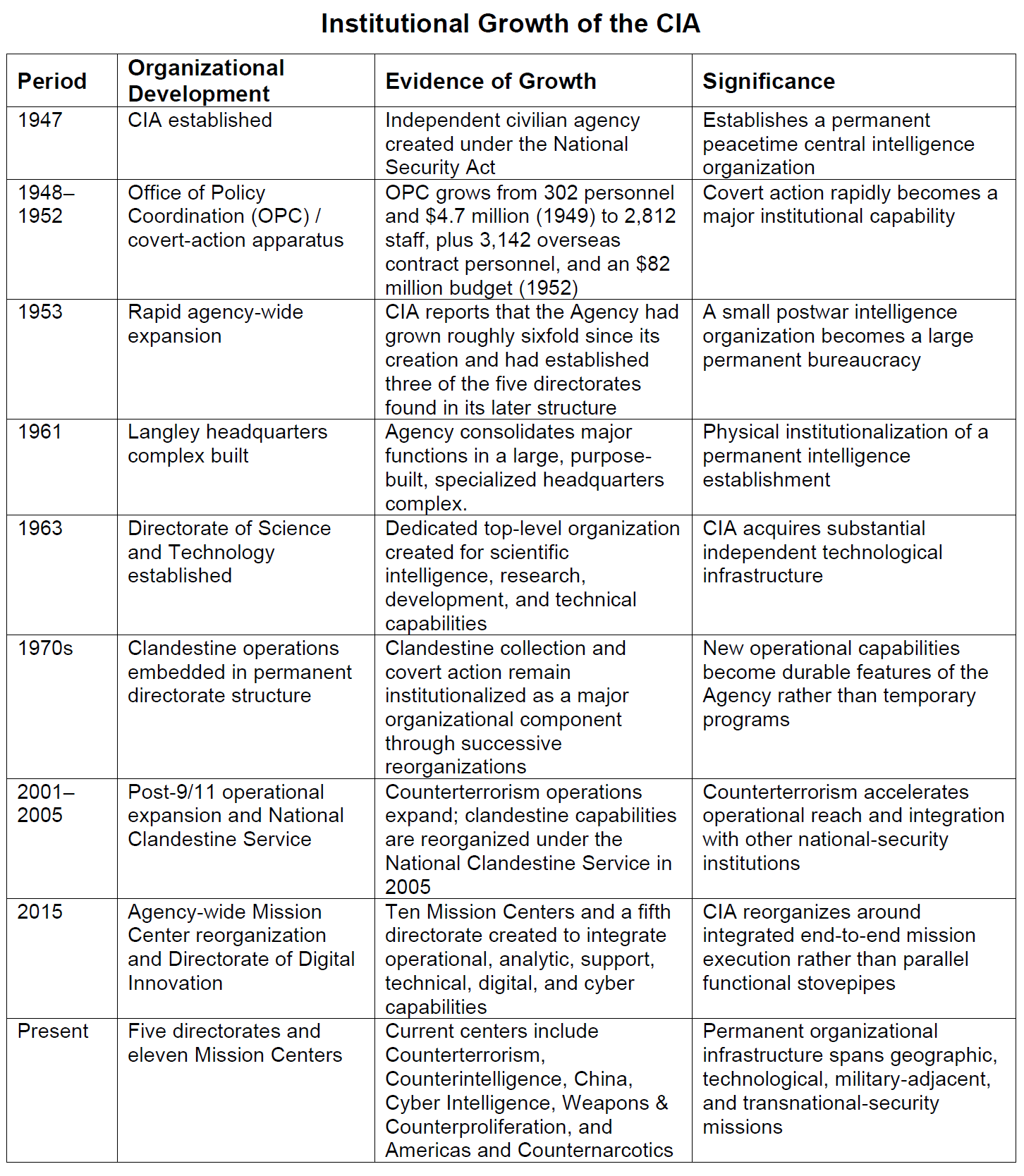
This chart should not imply that each failure led to the capabilities listed alongside it. History does not function in such a mechanical manner. The notable aspect is this asymmetry: adding new capabilities is relatively effortless, whereas discarding old ones proves remarkably challenging. In some instances, failures can even drive institutional growth. An investigation may reveal inadequacies in collection, information-sharing inefficiencies, insufficient technology, jurisdictional hurdles, or an understaffed workforce. Each identified gap generates a plausible reformulation: more funding, staffing, technology, authority, or enhanced coordination. While such assessments may be correct, the cumulative effect is often one of institutional hypertrophy.
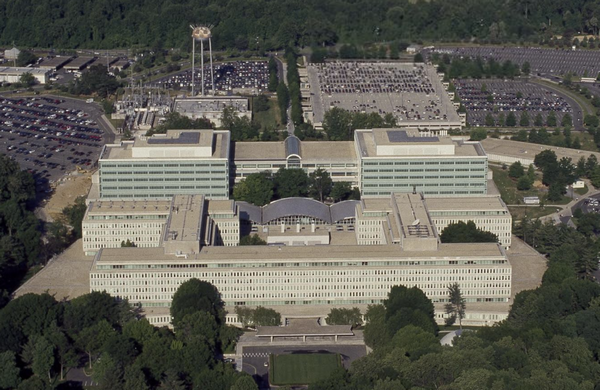
CIA headquarters in Langley, VA
Success presents another pathway to the same destination. A spectacular operation underscores the value of existing capabilities, enkindling both prestige and political confidence, ultimately leading to demands for expansion. Thus, seemingly conflicting feedback mechanisms can yield identical institutional responses: success advocates for agency empowerment, while failure mandates correction. At some point, a national intelligence agency could achieve critical mythological mass. Capability engenders operational options. Increased operational options deepen political dependency. This dependency, in turn, garners additional resources and authority. These resources subsequently facilitate further capabilities. Success exemplifies their value, while failures reveal deficiencies that necessitate rectification, leading to an increase in resources and authority.
The trajectory concerning resources confirms this trend. Publicly available National Intelligence Program appropriations surged from $43.5 billion in fiscal year 2007 to over $70 billion by the mid-2020s, with cumulative national and military intelligence expenditures reaching approximately $100 billion annually. Earlier CIA budgets remain veiled in classification, but declassified Agency histories recount rapid scaling during its formative years.
Examining headcount alone minimizes the extent of transformation. A modern intelligence officer, supported by satellites, global communication interception, vast databases, cyber tools, foreign liaison networks, contractors, and precision warfare capabilities, possesses far greater resources than an operative from 1950. The historical benchmark is not simply the number of personnel within the CIA but the extent of functions and authorities it has acquired.
The long-term curve of institutional capability trends upward, but the commensurate strategic efficacy curve remains elusive. With a legacy of coups, sabotage, proxy warfare, assassinations, counterterrorism initiatives, drone attacks, and progressively enhanced surveillance and targeting capabilities, where lies the evidence of heightened mastery over strategic outcomes? If benefits are indeed accumulative, the evidence should ultimately reflect that cumulative nature as well.
The narrative surrounding Mossad reflects that this is not merely an American bureaucratic phenomenon. Israel’s foreign intelligence service similarly evolved from a modest coordinating organization to one associated with a broad array of operations including overseas special missions, assassinations, sabotage, technical penetration, cyber operations, and close military integration. Despite its remarkable capabilities and achievements, Israel continues to confront stark security challenges. Intelligence accomplishments do not necessarily equate to strategic resolutions.
The growing powers of intelligence agencies matter because capability translates into options. An intelligence organization adept at infiltrating networks, sabotaging facilities, locating commanders, or eliminating threats provides tangible abilities to political leaders. Such options carry innate allure compared to diplomacy, deterrence, political compromise, or institution-building; clandestine operations often deliver measurable results promptly. Consequently, operational capacity begins to inform policy.
While such agencies remain formally subordinate to political bodies, the relationship becomes increasingly complex as they help identify threats, harbor much of the undisclosed information about such threats, develop clandestine responses, assess their feasibility, and execute selected actions. The deeper danger of intelligence agency hypertrophy lies not simply in institutional dimension but in how the relationship between intelligence and strategic understanding shifts. An agency initially created to inform policy may gradually acquire the ability to shape it.
Truman’s Frankenstein
The National Security Act of 1947 birthed a Central Intelligence Agency, with core functions identifiable as intelligence duties: coordinating intelligence activities, evaluating national security data, and disseminating intelligence to policymakers. This functional boundary, however, quickly began to blur.
Amid the developing Cold War, intelligence collection became intertwined with a different premise. If an intelligence agency could secretly ascertain foreign governments or political movements’ actions, then perhaps it could also influence their behavior covertly. The verbs shifted from mere observation, collection, analysis, and advising to infiltration, manipulation, sabotage, overthrow, capture, and assassination.
This was not just an expansion of mission but a transformation in institutional character. The rationale was comprehensible. The Soviet Union and its allies engaged in espionage, political warfare, subversion, propaganda, and clandestine maneuvers. American policymakers sought similar instruments. Covert actions offered an enticing prospect: to influence foreign events while obscuring American accountability.
By 1948, barely a year after the CIA’s establishment, covert political interventions were integrated into the nascent intelligence framework. The operational repertoire subsequently broadened, encompassing propaganda, political meddling, sabotage, paramilitary missions, coups, proxy armies, and assassination schemes. An institution established to provide sound intelligence had evolved into one capable of enacting policy covertly.
Harry Truman ultimately viewed this shift with apprehension. In December 1963, the former president expressed concern over how the CIA diverged from its original mission. He noted his intent for the CIA to avoid involvement in what he called “strange activities,” arguing that operational duties should be ceased or reassigned. Regardless of how one interprets Truman’s retrospective critique of programs he sanctioned, it underscores the organizational challenge: the concern is not merely about what an intelligence agency knows; it encompasses what authority it is granted.
Collection and assessment have natural limitations: information is imparted to political authorities. Covert actions disrupt this balance. An intelligence agency can identify a dilemma, devise a covert response, present it to political leaders, and, if sanctioned, execute the mission. As operational authority expands, the lines between advisor and executor begin to blur.
Plausible deniability complicates this relationship further. It is not merely an informal tradition but a deliberate component of U.S. covert-action policy. NSC 10/2, issued in 1948, defined covert operations as activities orchestrated and executed in such a manner that U.S. government responsibility remained obscured, and if uncovered, could be plausibly disclaimed—a principle carried forward in future national security directives. While plausible deniability can serve legitimate strategic purposes by avoiding escalation and protecting agents, foreign allies, technological capabilities, and ongoing initiatives, it simultaneously erodes the typical connection between authority and responsibility. The operation’s importance warrants government intervention, but its political implications become too inconvenient for publication.
Clandestine operations therefore make reconstructing accountability exceptionally challenging for outsiders. Intelligence officers might exceed their brief, instructions may be ambiguous, operations may gain momentum, or partners might act autonomously. Historical intelligence records include numerous operations initially rejected, disputed, or obscured that eventually transitioned into the official narrative. The takeaway is not that every current denial is false; it is that denial cannot independently ascertain whether the disputed action ever took place.
The CIA’s evolution crossed a pivotal boundary. Following the 9/11 attacks, the integration of surveillance, target development, and lethal force intensified. Predatory drones originally designed for reconnaissance began to carry Hellfire missiles. The CIA acquired the capacity not merely to identify targets or furnish intelligence to military forces but to engage in direct eliminations. An intelligence institution gained an organic capability for aerial strikes.
This newly compressed sequence: intelligence finds → political decisions → military actions can be increasingly accommodated within a clandestine structure that assimilates collection, targeting, operational planning, and execution of lethal force. Innovations in artificial intelligence, ubiquitous surveillance, cyber intrusion, extensive data sets, and automated pattern recognition can tighten the cycle even further. However, higher speeds and accuracy cannot resolve the strategic conundrum. Faster identification does not validate that killing the identified individual yields positive political results. Enhanced target discrimination does not confirm that dismantling the target advances strategic interests. AI may refine the find-fix-finish process without establishing whether the process itself achieves the intended political outcomes.
The system can become better at addressing how while failing to elucidate why. This does not render the CIA inherently nefarious. Many of these capabilities arose in response to genuine threats, were sanctioned by elected leadership, and received legislative support. The question, however, is fundamentally institutional. When does an intelligence agency equipped with secret knowledge, covert political capabilities, sabotage expertise, paramilitary resources, technological penetration potential, and lethal strike authority transform from a mere intelligence organization into a more impactful entity?
Truman’s Frankenstein metaphor gains relevance due to the creature’s evolving capabilities while becoming increasingly essential to those tasked with its oversight. The intelligence agency did not seize control of political power; rather, political power became increasingly reliant on the intelligence framework.
Strategic Amnesia
Institutional growth demands a unique form of memory. Intelligence agencies must retain operational expertise exceptionally well. Sources, networks, technical methodologies, adversary behaviors, surveillance tactics, cryptographic vulnerabilities, and entrenched tradecraft form institutional capital. An effective service cannot afford to rediscover these elements with every generation. In contrast, strategic memory functions differently.
The history of covert operations is rife with interventions whose prolonged consequences proved ambiguous, disappointing, or perilous. Governments were toppled, leading to subsequent instability or antagonism. Leaders were removed and replaced. Infrastructure was sabotaged only to be rebuilt. Political movements were infiltrated but endured. Nonetheless, these experiences seldom accumulate into a shared presumption of caution against future actions.
The stark contrast with operational learning is evident. If an assassination fails due to a malfunctioning detonator, the intelligence service scrutinizes the detonator. If surveillance falters because the target alters communication channels, they develop superior surveillance techniques. Yet, if successive successful assassinations fail to neutralize the organization, the guiding strategy behind the act may receive far less rigorous reconsideration. The lesson transforms into: refine the operation.
This does not imply intelligence agencies literally forget history. They maintain reviews, uphold archives, and assess previous operations. The amnesia manifests in a failure to convert gathered strategic experiences into constraints on future tactics. Operational lessons augment institutional capabilities, while strategic disappointments remain inert historical records.
The external environment buttresses this imbalance. Successful operations linger vividly as they can be retold and recounted. Classification barriers dissolve. Participants pen memoirs, and journalists disclose technicalities. What was once a shrouded explosion evolves into a captivating narrative characterized by surveillance, deception, infiltration, courage, and ingenuity. Failure, however, wanes differently. Accountability becomes fragmented. Policymakers pass away. Political contexts shift. Causal arguments become intricate. Ultimately, an episode devolves into a dispute for historians rather than a cautionary tale for policymakers. Institutional credit tends to persist more readily than strategic debts.
Political incentives compound the existing tendency. Intelligence operations provide appealing trophies; they offer concrete evidence of decisiveness without necessitating strategic resolution. Attacks can be declared, a leader can be considered eliminated, a sabotaged facility can be photographed, and a penetrating maneuver can be memorialized with a golden pager award. Strategic success, however, discourages cooperation. Deterrence yields unquantified events. Diplomacy may resemble inaction. Political stabilization can extend over years. Preventing an adversary from becoming a hostile element does not produce dramatized footage.
These incentives therefore favor operational actions. Politicians showcase resolve, intelligence services demonstrate expertise, the media resonate with compelling narratives, and the public observes identifiable victories. There are few analogous rewards for investigating the outcomes of operations years later. This results in a powerful asymmetrical dynamic regarding institutional learning. Operational methods undergo continuous refinement because their performance is visible, and their failures are actionable. Strategic theories are instrumental in nature; their repercussions unfold gradually, and accountability for shortcomings lacks clarity. The machinery for executing future operations improves steadily, yet the mechanics for evaluating whether those operations should occur are less refined. Tactical expertise continues to evolve, but the unresolved question is whether the strategic returns will likewise progress.
Restoring Strategic Discipline
The remedy for the distorting influence of the intelligence proficiency cult does not entail less proficient intelligence. Nations require clandestine sources, technical collections, counterintelligence, warnings, analysis, and occasionally covert operations. The challenge arises when operational excellence becomes insulated from strategic effectiveness, allowing institutions with remarkable secret capabilities to increasingly shape their own judgments regarding their exercise. Every effective organization necessitates accountability and corrective feedback. Secrecy may influence how accountability functions, yet it should not sever the feedback loop linking action and outcomes.
The guiding principle for reforms within intelligence agencies should be straightforward: operational authority must be governed by strategic intent, and operational success must be independently measured against strategic outcomes. This principle assumes even greater significance when clandestine activities involve assassination, sabotage, lethal force, or plausible deniability. Evaluation cannot terminate when a target is neutralized, a facility dismantled, or a network disrupted. It must necessitate inquiry into the subsequent impacts: how the adversary adapted, whether the effects endured, what unintended results emerged, and whether the threat that justified the action materially lessened. Such activities need not be categorically forbidden, but the burden of strategic proof should correspond with their potential consequences.
This necessitates a more profound reform: the implementation of mandatory independent reviews of strategic efficacy. Major covert programs and sustained campaigns should be periodically evaluated by institutions that did not initiate or execute them. Reviews should focus not merely on the number of successful operations but on the causal rationale underpinning them.
Key inquiries comprise: What was expected to ensue? What actually transpired? Did the anticipated strategic effect manifest? How did the adversary adapt? Did the threat diminish? Does the accumulated evidence justify the continuation of the program? These represent fundamental management questions, providing essential corrective feedback for effective organizations. Reviews should also incorporate a termination function. Repeated operational victories without achieving predicted strategic effects must trigger reassessment of the operative rationale, not solely authorization for further similar operations. If cumulative effects justify actions, demonstrable evidence of those cumulative outcomes must inevitably emerge.
A significant historical precedent for such reforms exists. The Church Committee conducted the most thorough investigation into the American intelligence community in history between 1975–76. Its examinations unveiled instances of domestic surveillance, assassination plots, covert interventions, and various acts that had transpired behind veils of secrecy. The committee identified that intelligence abuses flourished partly due to the inadequate application of normal constitutional checks and balances in relation to intelligence activities.
The resultant reforms were substantial. Congress established enduring oversight committees for intelligence, enforced stricter reporting requirements for covert actions, and enacted the Foreign Intelligence Surveillance Act. Executive orders and Justice Department guidelines instituted additional limitations. Intelligence agencies did not emerge from the 1970s unscathed; an earlier generation recognized the dangers associated with secret powers lacking independent scrutiny.
However, the Church reforms also illuminate the existing challenge. Oversight can examine whether an operation was legally authorized, properly reported, sufficiently supervised, and consistent with statutory or constitutional regulations. These are crucial queries but do not equate to evaluating whether an operation achieved strategic effectiveness.
An assassination might be meticulously authorized and executed without diminishing an adversary’s strength. A sabotage operation could comply with reporting mandates yet yield only transient disruption, leading to rapid reconstitution. A covert initiative might satisfy legislative oversight while harboring erroneous assumptions in its foundational rationale.
The forthcoming phase in intelligence accountability is to retain the structure designed post-Church while extending its implications. Independent assessments should ascertain whether clandestine capabilities were employed lawfully and correctly sanctioned, as well as whether successive efforts yielded the strategic outcomes posited to justify them.
A constitutional facet accompanies this matter. Intelligence institutions meld confidential data, specialized know-how, operational discretion, coercive capability, limited public transparency, and privileged access to executive authority. As the weight of these factors increases, the necessity for independent institutional review becomes all the more pressing.
The ancient Roman Praetorian prefect Sejanus provides an enlightening analogy. Under Tiberius, Sejanus amassed substantial influence as the emperor increasingly withdrew from Rome. Control over access and influence regarding information reaching Tiberius catalyzed the transformation of a formally subordinate official into a politically dominant figure.
Modern intelligence entities are not akin to Praetorian guards, and the danger does not necessitate a coup or conspiracy. The mechanism is subtler. An intelligence agency can define a threat, possess exclusive knowledge about it, evaluate its gravity, formulate clandestine responses, advise political leaders on practicality, and then execute the chosen operation.
Formal political primacy remains intact, yet the informational asymmetries alter its substance. A president reliant on intelligence to elucidate threats, explain adversaries, identify options, evaluate the likelihood of success, and execute selected operations exercises authority in an informational environment preponderantly framed by the supervising institution.
The risk of Praetorian subjugation does not invariably stem from a coup d’état. Instead, the concern lies in the emperor increasingly viewing the world through the guard’s lens. The safeguard is not merely enhanced executive control, which may deepen dependence on the intelligence apparatus closest to the executive. Rather, it comprises divergent sources of information and independent evaluative bodies: meaningful legislative oversight, inspectors general endowed with genuine investigative powers, judicial reviews where appropriate, independent strategic assessments, diverse military and diplomatic analyses, and eventual public disclosures once legitimate secrecy can be lifted.
Thus, the separation of powers is not just a constitutional abstraction. It forms an informational architecture. No single entity possessing confidential information and covert coercive authority should dictate the criteria by which the necessity and effectiveness of that authority are scrutinized.
The aspiration is to reinstate the differentiation between proficiency and authority. An intelligence service may excel in infiltrating adversaries, yet not possess superior judgment regarding its policy toward those adversaries. Access to exclusive information complicates independent scrutiny, making it all the more essential.
No effective entity would permit the party proposing an initiative, executing that initiative, measuring its performance, and controlling the underlying information to become the sole arbiter of whether that initiative should continue. The stakes are far more significant when dealing with covert operations, sabotage, assassinations, and warfare.
Intelligence agencies do not require diminished competence. Instead, they necessitate bounded authority, precise objectives, independent evaluations, accountability, corrective feedback, and the abandonment of operational hypotheses that consistently fail strategic evaluations.
Conclusion
It is important to acknowledge the remarkable proficiency displayed by the world’s leading intelligence services. Mossad’s infiltration of Hezbollah’s communications chain is certainly impressive. The CIA has successfully recruited agents from challenging intelligence targets, located fugitives who’ve hidden for years, infiltrated hostile organizations, and developed technical abilities that would have astonished its founders. Intelligence operatives occasionally engage in arduous and risky work with striking bravery and creativity. Yet, the distinction between operational success and strategic efficacy remains crucial.
The mystique surrounding intelligence agencies is not erroneous because their proficiency is illusory. Instead, the mystique becomes problematic when operational success is mistakenly equated with a wide-ranging understanding of strategic imperatives. Operational achievements evoke legitimate admiration; admiration cultivates prestige, which fosters deference. This deference allows demonstrable skill at clandestine operations to morph into assumptions about superior understanding, judgment, predictive power, and eventually strategic wisdom.
The historical record provides ample reason to scrutinize that transition. Exceptional microscopic precision has coexisted alongside significant macroscopic ignorance. Spectacular operations have amassed side by side with strategic failures. Intelligence capacities and authorities have advanced more visibly than corresponding improvements in strategic outcomes. This reality does not imply that clandestine operations are futile; rather, it emphasizes that operational success cannot validate itself. The true measure lies in the aftermath: whether or not the adversary weakens, whether the threat diminishes, whether anticipated political changes occur, and whether the need for subsequent coercive actions declines. Should cumulative outcomes be posited, cumulative evidence must likewise emerge.
The same principle applies institutionally. Secretive information, operational capacity, and privileged access to political leadership position intelligence agencies as thoroughly empowered entities of governance. These characteristics heighten the necessity for independent evaluation, allowing for a nuanced understanding of the broader implications of their actions. No organization should wield the authority to evaluate the strategic effectiveness of the strategies it proposes, enacts, and appraises autonomously.
This revisits the golden pager. As a token of intelligence ingenuity, it merits its place in a museum as a representation of patience, penetration, technical inventiveness, deception, operational security, and boldness coalesced into an astonishing covert success. Yet it does not represent a strategic entry on the balance sheet. It indicates that Israel could infiltrate Hezbollah; it does not convey that Hezbollah has been conquered. It illustrates that a target could be engaged; it does not establish that the target constituted the core problem. This distinction is easily overlooked because operational success is grand, whereas the strategic ledger is intrinsically complicated. The peril is that operational success becomes an objective unto itself, dissociated from the strategic aims that intelligence efforts are meant to achieve. The proficiency mystique should not substitute for strategic mastery.