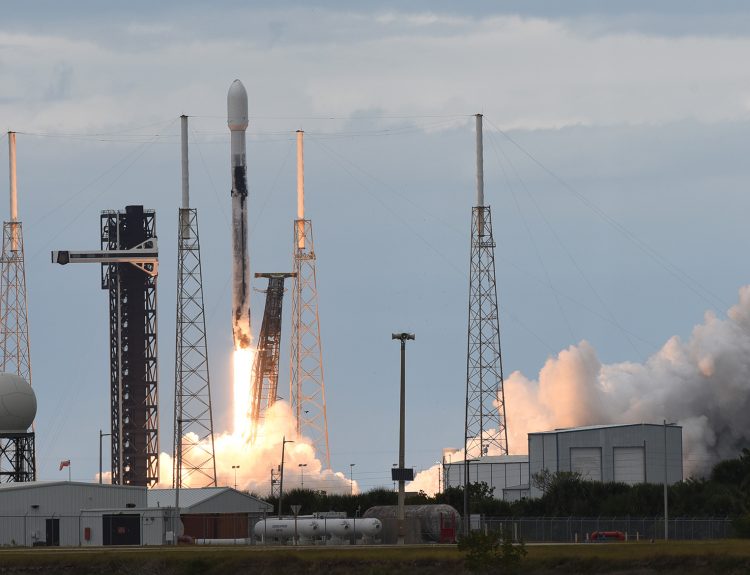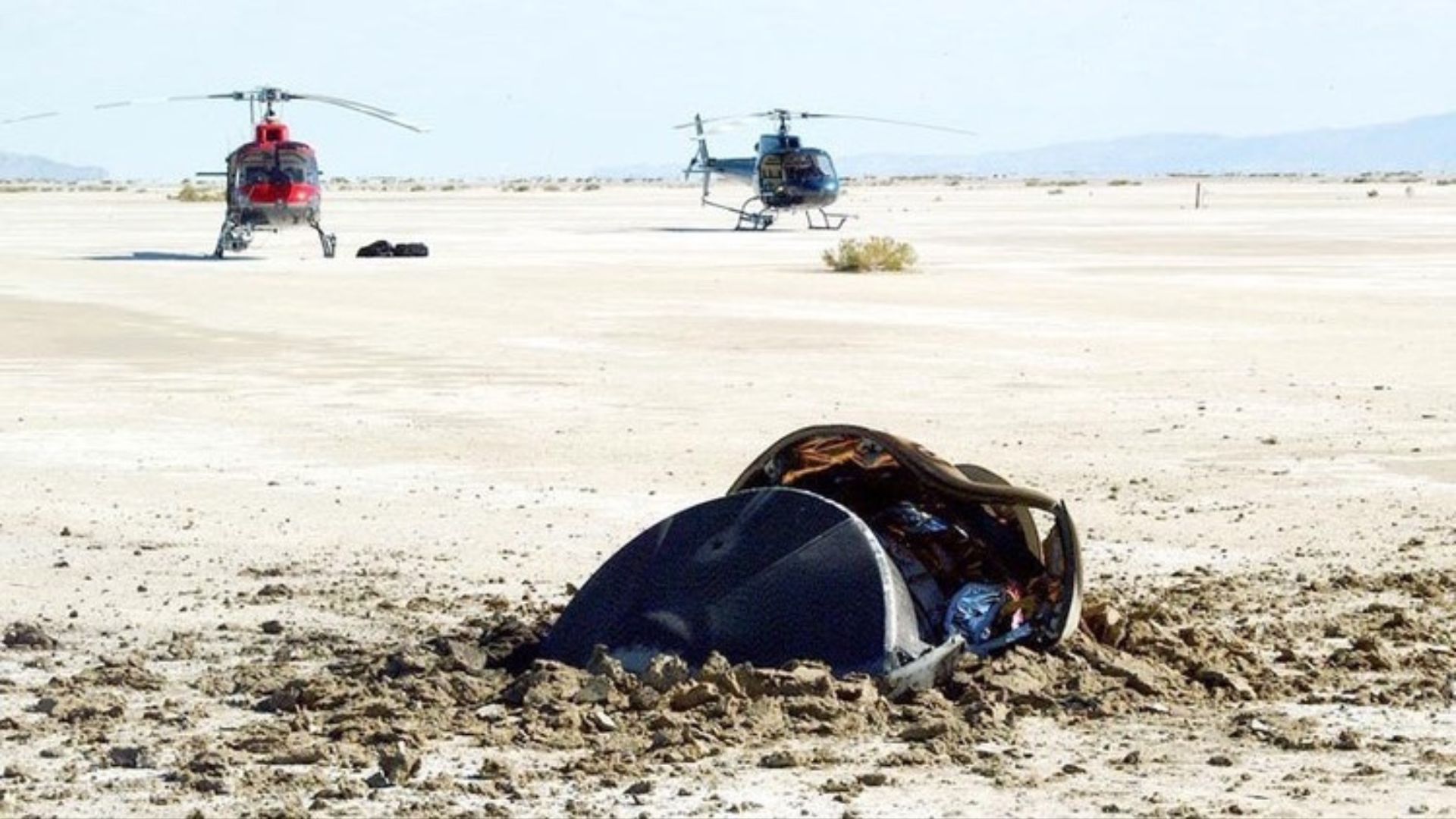
On September 8, 2004, NASA’s Genesis spacecraft crash-landed in Utah after its parachutes failed to deploy. This marked the first sample-return mission since the Apollo program and the first attempt to bring back samples from beyond the Moon. Genesis collected particles from the solar wind using ultra-thin semiconductor wafers, but due to a design flaw in the parachute system, it fell to Earth, scattering the samples. Despite the crash, scientists managed to salvage some samples for research.
The mission was significant as it aimed to enhance our understanding of the solar wind, which could provide insights into the early solar system. The failure led to reviews of similar missions, reinforcing the importance of meticulous design processes in aerospace engineering.
On a related note, September 8 also marks the anniversary of the first episode of Star Trek, which premiered in 1966 and has inspired generations in science and space exploration.