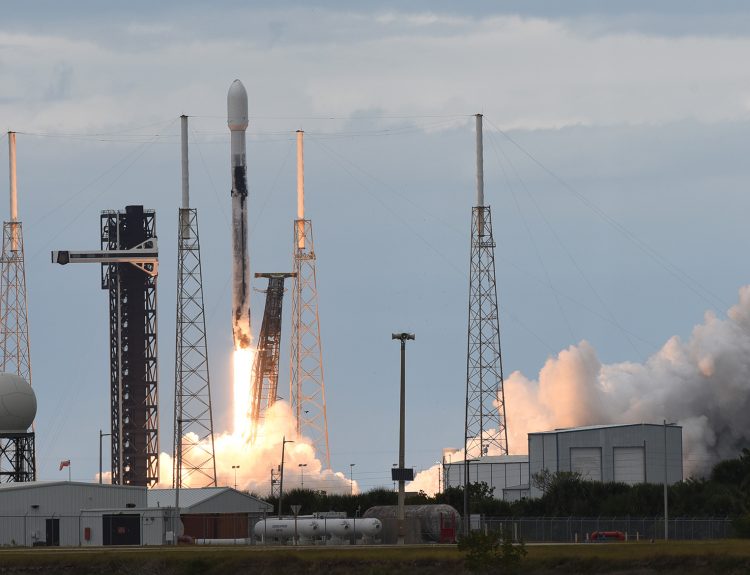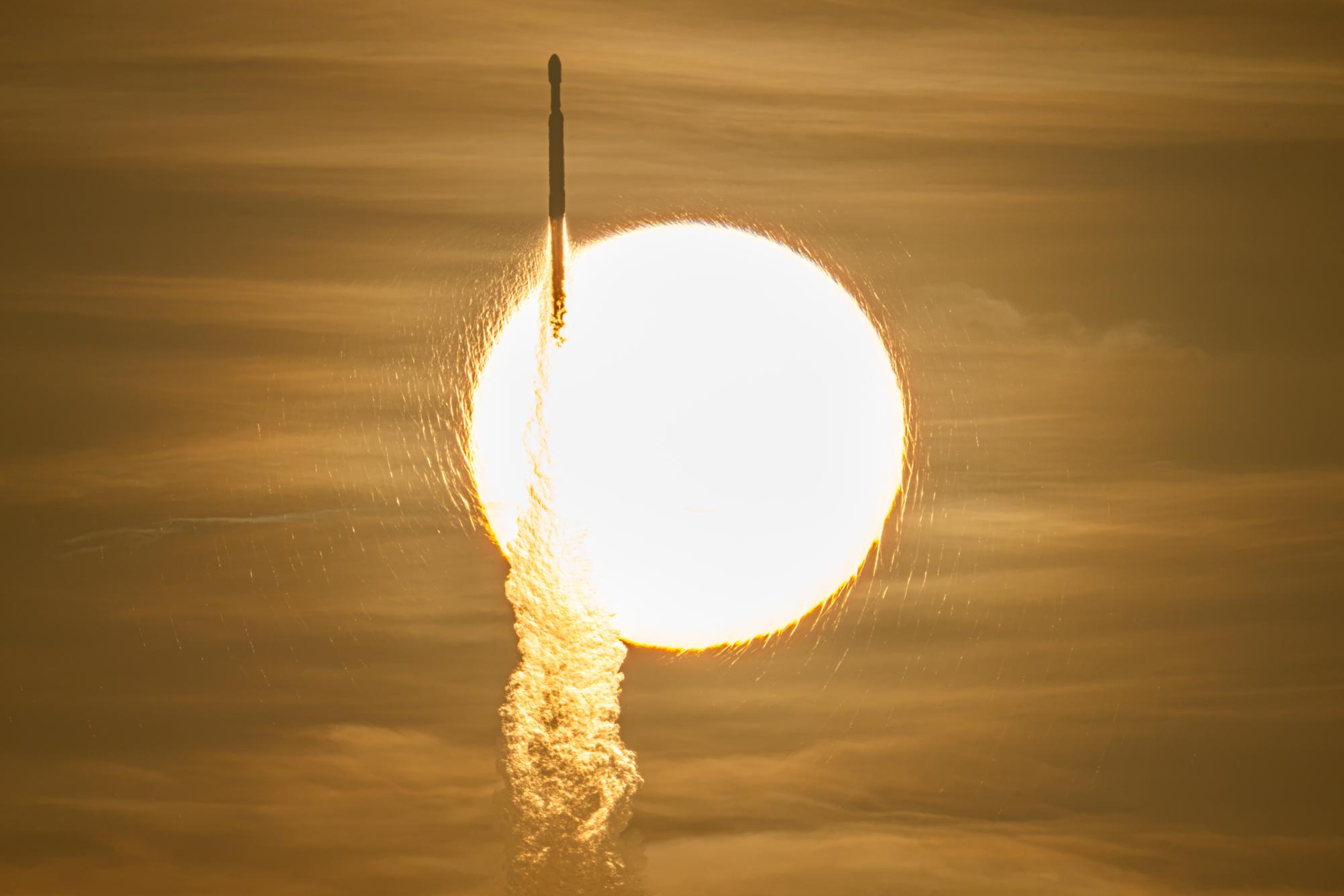
Pitt professors are inspiring students with the launch of the Nancy Grace Roman Space Telescope, which NASA deployed on August 30. The telescope, named after a pioneer in space-based astronomy, is set for a mission lasting over five years. Professors Michael Wood-Vasey, Jeffrey Newman, and Brett Andrews at Pitt contributed significantly to its development.
The Roman telescope aims to investigate the mysteries of dark energy, a force responsible for the accelerating expansion of the universe. Wood-Vasey explained how this expansion contradicts gravitational expectations, suggesting an unknown source of energy. The telescope will capture essential data about galaxies, supernovae, and exoplanets, helping astronomers understand dark energy’s role in cosmic evolution.
With advancements in gravitational lensing capabilities, Roman can provide detailed observations far more efficiently than the Hubble Space Telescope, which has been instrumental in astronomical research for decades. It boasts a field of view at least 100 times larger than Hubble’s.
Students like Marina Skuban and Rachel Hall express excitement about the research opportunities tied to the Roman mission. Skuban highlights the investigatory potential for exoplanet systems, while Hall shared her firsthand experience witnessing the launch, amplifying her aspirations in the space industry.
Wood-Vasey underscores the telescope’s broader purpose: encouraging public engagement with scientific inquiry and data sharing, making the pursuit of knowledge a collective journey fueled by curiosity.