The evolution of air travel security has been a response to growing threats over the years. The 9/11 attacks were a pivotal moment, highlighting the need for drastic change. Before this, hijackers were often presumed to seek negotiation rather than crashing planes as weapons.
Key Changes Post-9/11:
- Access Restrictions: Only ticketed passengers allowed at gates, with immediate bans on items like knives.
- Creation of TSA: This federal body took over passenger and baggage screening.
- Reinforced Cockpit Doors: Mandated for better passenger safety.
- Passenger Screening Innovations: TSA PreCheck and risk-based screening emerged from the desire to streamline processes while ensuring security, albeit with concerns over potential profiling.
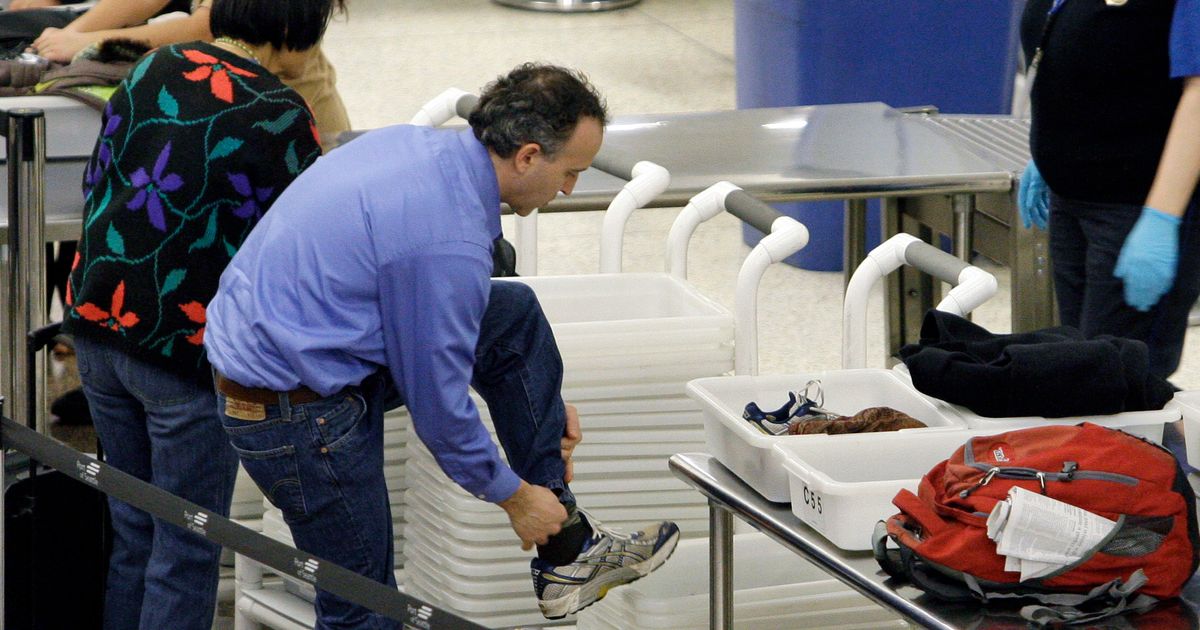
Earlier incidents, like the bombing of Pan Am Flight 103 and Richard Reid’s shoe bomb attempt, significantly impacted security regulations. New rules emerged for checked baggage, shoe removal, and limits on liquids, further evolving the screening process.
Technology, like full-body scanners and facial recognition, continues to shape airport security, aiming for resilience against threats. As systems advance, the layered security approach promotes stronger overall protection for air travelers.