
The world of whisky is rich in terminology that can often feel overwhelming or even perplexing, especially for newcomers. With various styles, cryptic label descriptions, and intricate production processes, it’s easy to feel disoriented.
However, it’s not necessary to own a collection of rare Scotch or to have extensive knowledge of Speyside distilleries to appreciate whisky. By grasping a few fundamental concepts, you can enhance your understanding of what you’re drinking, what you’re purchasing, and, importantly, what all those impressive terms on the label signify.
Curious about the differences between single cask and cask strength, or what defines a single malt? Let’s explore together.

Whisky Categories
Scotch Whisky
Scotch whisky is categorized into five legally defined types: Single Malt Scotch Whisky, Single Grain Scotch Whisky, Blended Malt Scotch Whisky, Blended Grain Scotch Whisky, and Blended Scotch Whisky.
Regardless of category, Scotch must adhere to strict regulations, such as being distilled and matured in Scotland, using only cereals, water, and yeast, and aged in oak casks for a minimum of three years. Additionally, it must be bottled at a minimum strength of 40% ABV, with Single Malt Scotch Whisky specifically bottled in Scotland.
Single Malt
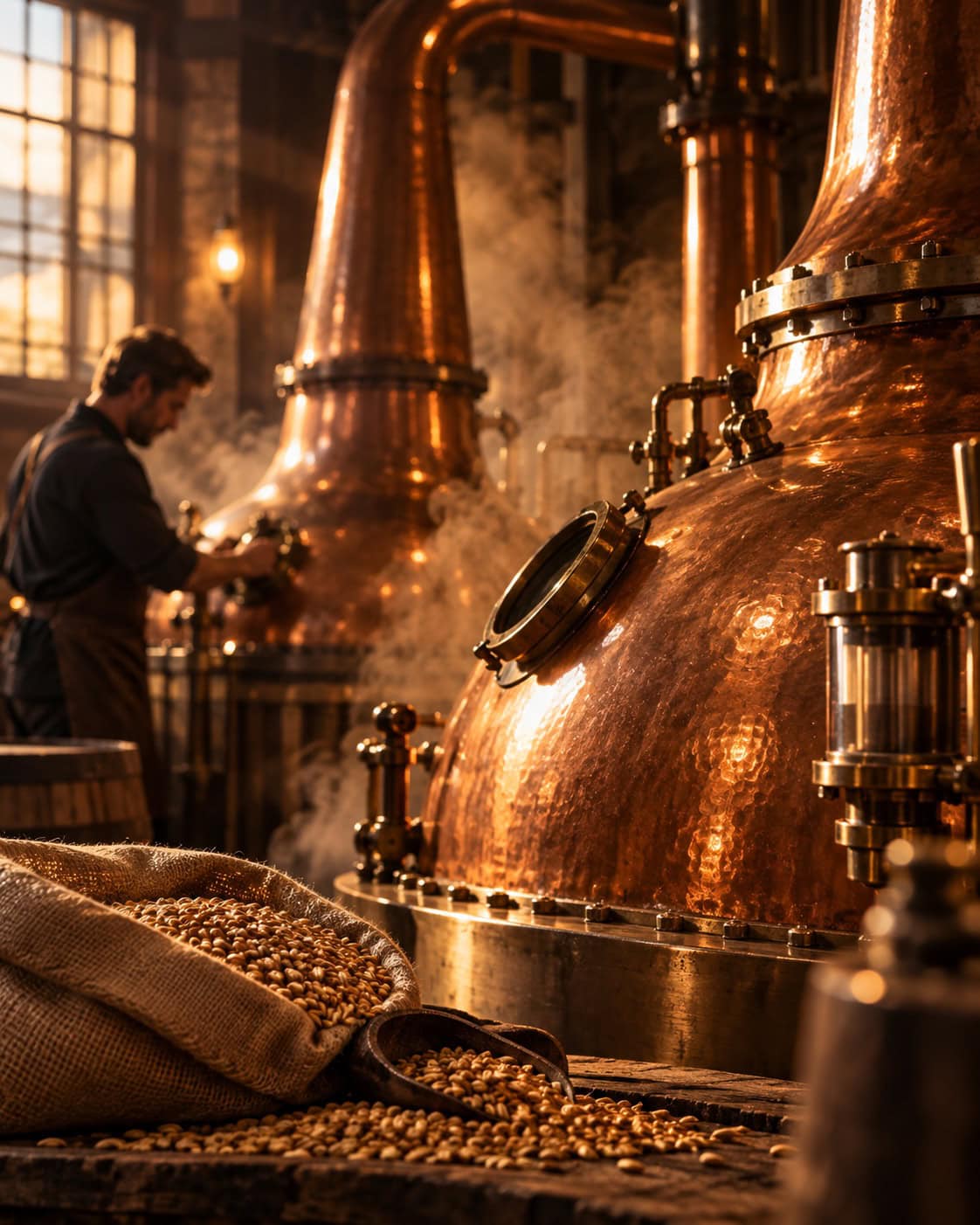
Single malt Scotch is made at a single distillery with water and 100% malted barley, without any other cereal grains added. Batch distillation occurs in traditional copper pot stills.
Remember this: single means one distillery, and malt refers to malted barley. Notable examples include Glenfiddich, The Glenlivet, The Macallan, and Glenmorangie.
Single Grain
Like single malt, single grain Scotch comes from a single distillery, but the ingredients and production methods can vary. It can include malted barley along with other grains, most often wheat or maize, and is typically produced using continuous column stills.
A significant portion of Scotland’s grain whisky is blended into other products, though standalone expressions exist, with Haig Club being one of the most recognized.

Blended Malt
Blended malt is a combination of two or more single malt whiskies from different distilleries, without any grain whisky included. This burgeoning category allows blenders to showcase various distillery characteristics in one bottle, with Monkey Shoulder being a prime example.
Blended Scotch
A classic blended Scotch mixes one or more single malt whiskies with one or more single grain whiskies. Typically, the grain whisky serves as the base, while the malt whiskies layer in different flavors to achieve the desired profile.
Popular brands include Johnnie Walker, Ballantine’s, and Chivas Regal.
Bourbon
With deep historical roots in Kentucky, bourbon is an American whiskey that can be produced anywhere in the United States, as long as it follows specific regulations.
The mash bill must contain at least 51% corn, with the remainder usually made up of rye, wheat, and malted barley. Bourbon must be distilled to no more than 160 proof (80% ABV), placed into new charred oak barrels at no more than 125 proof (62.5% ABV), and bottled at a minimum of 80 proof (40% ABV).
A common misconception is that bourbon has a mandatory aging period; however, for it to be labeled as straight bourbon, it must be aged for at least two years in new charred oak. Well-known brands include Jim Beam, Woodford Reserve, and Wild Turkey.
Rye
Rye whiskey is primarily made from rye grain. In the U.S., at least 51% of the mash bill must be rye, while the remaining ingredients typically include corn, wheat, and malted barley.
Rye tends to impart a spicier, drier flavor compared to corn-heavy bourbon. Look for popular American brands like Sazerac and Pikesville that are worth trying.

On The Label
Single Cask
Most whiskies available today are blends from various casks, leading major brands to create batches that may include whisky from dozens or even hundreds of casks.
A single cask bottling indicates that every bottle comes from one specific cask. This offers a unique glimpse into the distillery’s character and the influence of that particular piece of wood at a specific time. Once it’s gone, it cannot be precisely recreated.
Cask Strength
Cask-strength whisky is bottled at or very close to the alcohol content it has when it leaves the cask, rather than being diluted to a standard bottling strength.
This usually results in an ABV ranging from 50% to 65%, although it can vary based on the whisky, its age, and maturation conditions. Expect a more robust experience in the glass, with the option to add water to adjust the strength as you prefer.
First-Fill
A commonly used term in Scotch whisky, first-fill refers to the initial use of a cask to mature Scotch.
This doesn’t necessarily mean the barrel is brand new—it may have held bourbon, sherry, or another liquid previously. However, as the first Scotch to enter the cask, it typically extracts more flavor and color from the wood.

Refill
A refill cask has previously aged Scotch at least once, which means it may have served its second, third, or more fills.
With each subsequent use, the oak imparts less influence on the whisky, offering less color and fewer flavors from its past life. However, a less active cask can highlight the distillery’s inherent character more clearly.
Finish
A finish, or cask finish, occurs when whisky is transferred from the primary maturation cask to a different type of cask for a final aging period before bottling.
These finishing casks might have previously held sherry, port, wine, rum, or other spirits, allowing producers to add another layer of flavor without overshadowing the original whisky. Think of it as a final seasoning rather than the main component.
Non-Chill Filtered
Whisky naturally contains compounds, such as fatty acids and esters, which can cause it to appear slightly cloudy when chilled or mixed with water. Chill filtration removes some of these compounds before bottling to maintain a clear appearance.
This process cools the whisky, allowing these compounds to gather and be filtered out. If a bottle is labeled non-chill filtered, the producer has opted out of this step. Many whisky aficionados prefer this method, believing it retains more of the spirit’s authentic texture and flavor.
NAS
NAS stands for No Age Statement, indicating that there is no prominent age displayed on the bottle.
When a Scotch whisky has an age statement, such as 12 or 18 years, that number represents the youngest whisky in the blend. NAS releases allow producers more flexibility in combining whiskies of various ages to achieve specific flavor profiles instead of being confined to a single number.
Younger whisky can contribute freshness and vibrancy, while older whiskies may bring depth and complexity. Therefore, NAS should not be considered synonymous with inferiority.
The Production Process
Mashing
In the production of malt whisky, malted barley is first ground into a coarse flour known as grist. This is combined with warm water in a large vessel called a mash tun, enabling enzymes present in the malt to convert starches into fermentable sugars in the liquid.
The resultant sweet liquid is termed wort. Water is added incrementally at increasing temperatures to extract as much sugar as feasible. The residue left behind is called draff, which is often repurposed as animal feed.
Mash Bill
Frequently encountered in the context of American whiskey, the mash bill is simply the recipe of grains used to produce the spirit.
For instance, a bourbon’s mash bill must include at least 51% corn. Additional proportions of rye, wheat, and malted barley may be used to create a distinct style. Altering the mash bill can significantly change the profile of the finished whiskey.
Fermentation
Fermentation transforms sugar into alcohol. The sugary wort is transferred into a large vessel known as a washback, and yeast is added to begin consuming the sugars.
The fermentation duration can range from 48 hours to several days, depending on the distillery and the intended style. The resulting liquid, referred to as wash, resembles a robust, unhopped beer and generally sits around 7-10% ABV.
Distillation
Distillation serves to concentrate the alcohol and flavors within the wash. For Scotch single malt, the wash is heated in copper pot stills. Alcohol vapors ascend through the still’s neck, travel along the lyne arm, and are cooled in a condenser to revert to liquid form.
Most Scotch single malt undergoes double distillation, though some exceptions exist. Although triple distillation is commonly linked with Irish whiskey, many Irish producers also distill twice.
Grain whisky and most bourbons are typically produced using column stills, which allow for continuous operation rather than processing one batch at a time. While equipment, ingredients, and techniques vary, the primary aim remains the same: to transform a fermented cereal wash into the spirit that will ultimately become whisky.