Seminar Recap: Thomas Santangelo on Archaea and Their Resilience
Overview
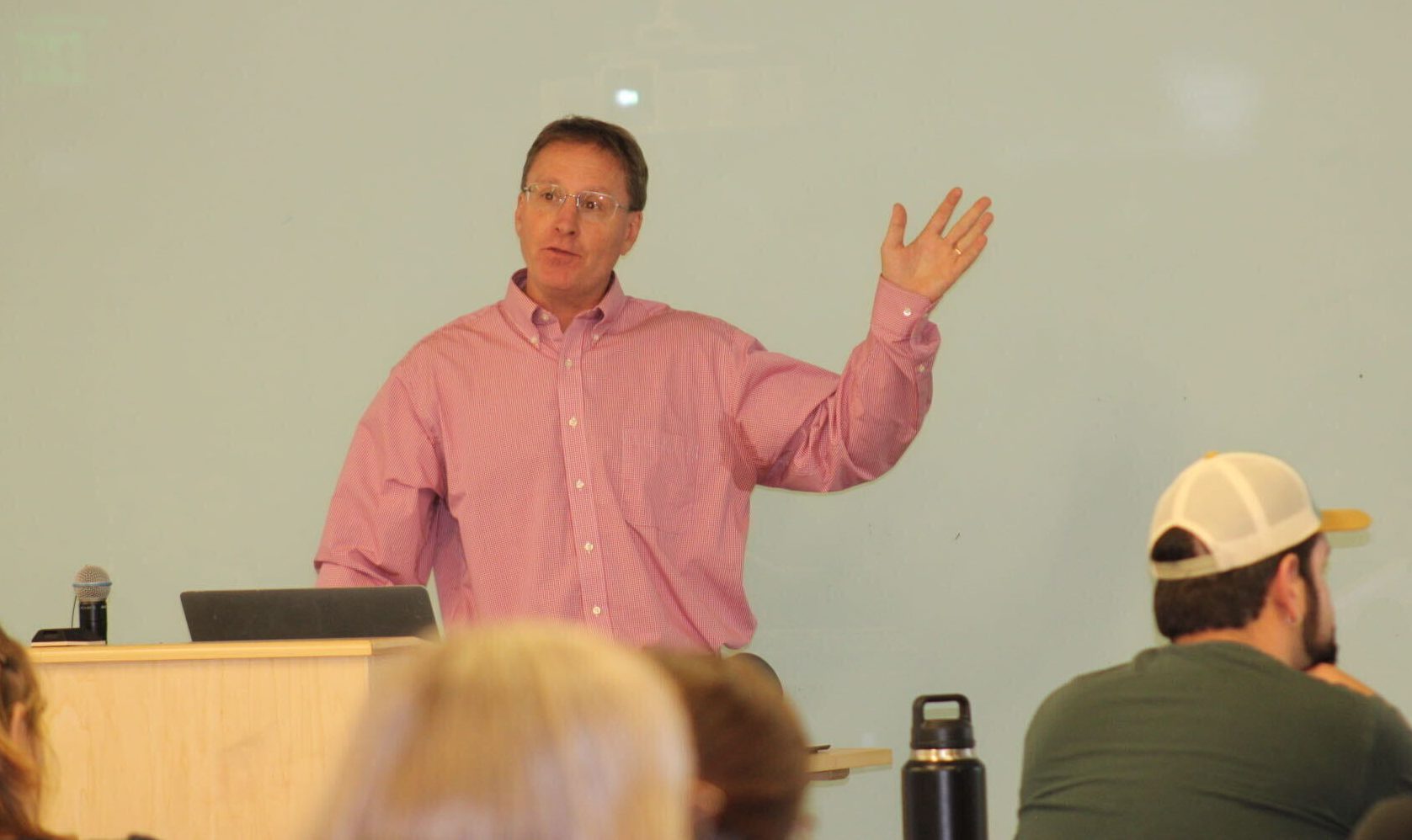
Thomas Santangelo, a professor of biochemistry and molecular biology at Colorado State University (CSU), kicked off the fall semester seminar series with a presentation focused on archaea, a domain of single-celled prokaryotes known for thriving in extreme environments. His seminar, titled “Surprises from the Archaea: New Paradigms for Survival in the Extreme,” garnered significant attention for its exploration of the research surrounding these unique organisms.
Archaea Explained
Santangelo, with insights facilitated by Dan Sloan, a fellow professor who hosted the seminar, highlighted the growing relevance of archaeal studies. “Archaea are a group of organisms that I think a lot of biologists have heard about but don’t know a lot of the details of,” Sloan noted, underlining the seminar’s goal of bridging gaps in knowledge within the biology community.
The talk began with a historical overview that spanned over 300 years, setting the stage for understanding archaea’s complex classification and characteristics. Santangelo emphasized the diverse forms and behaviors of these microorganisms, stating, “They come in every shape and size you could possibly imagine.”
Key Contributions
One of the historical figures Santangelo discussed was Thomas Brock, known for discovering extremophiles in Yellowstone Hot Springs, which propelled interest in microorganisms that can withstand extreme conditions. Santangelo pointed out, “The organisms that grow at the highest temperatures are most often members of the archaea.”
Research Focus
Shifting to his laboratory’s work, Santangelo explained the significance of studying the epitranscriptome, which relates to RNA modifications that help maintain stability in high temperatures. Focusing on organisms like Thermococcus kodakarensis, he highlighted their resilience and utility in biotechnological applications, such as producing enzymes vital for DNA polymerization.
His lab’s primary goal is to understand how archaea can thrive under oxidative stress and extreme conditions, questioning how their metabolic processes endure high temperatures and environmental challenges.
Methodological Approach
Santangelo’s methodology involves both in vitro and in vivo testing of RNA, using sequencing and chemical treatments to identify modifications within the RNA structure. The complexity and functionality of these modifications lend potential for innovative applications in biology, enriching scientific understanding of microorganisms.
Community Impact
Post-seminar, attendees like graduate student Andrew Dull expressed their excitement over learning how RNA adaptations contribute to life in extreme conditions. Sloan praised Santangelo’s ability to balance historical context with innovative research, enriching the audience’s understanding of archaea and their significance in biological science.
Conclusion
In summarizing his seminar, Santangelo not only showcased the intriguing capabilities of archaea but also emphasized the collaborative spirit of biological research at CSU. Through such talks, the university fosters a culture of learning and discovery that benefits both students and the broader scientific community.
Contact Information
For further inquiries or discussions, reach Sananda Chandy at science@collegian.com or follow @RMCollegian on social media.