Max Space Thunderbird: The Future of Space Habitats
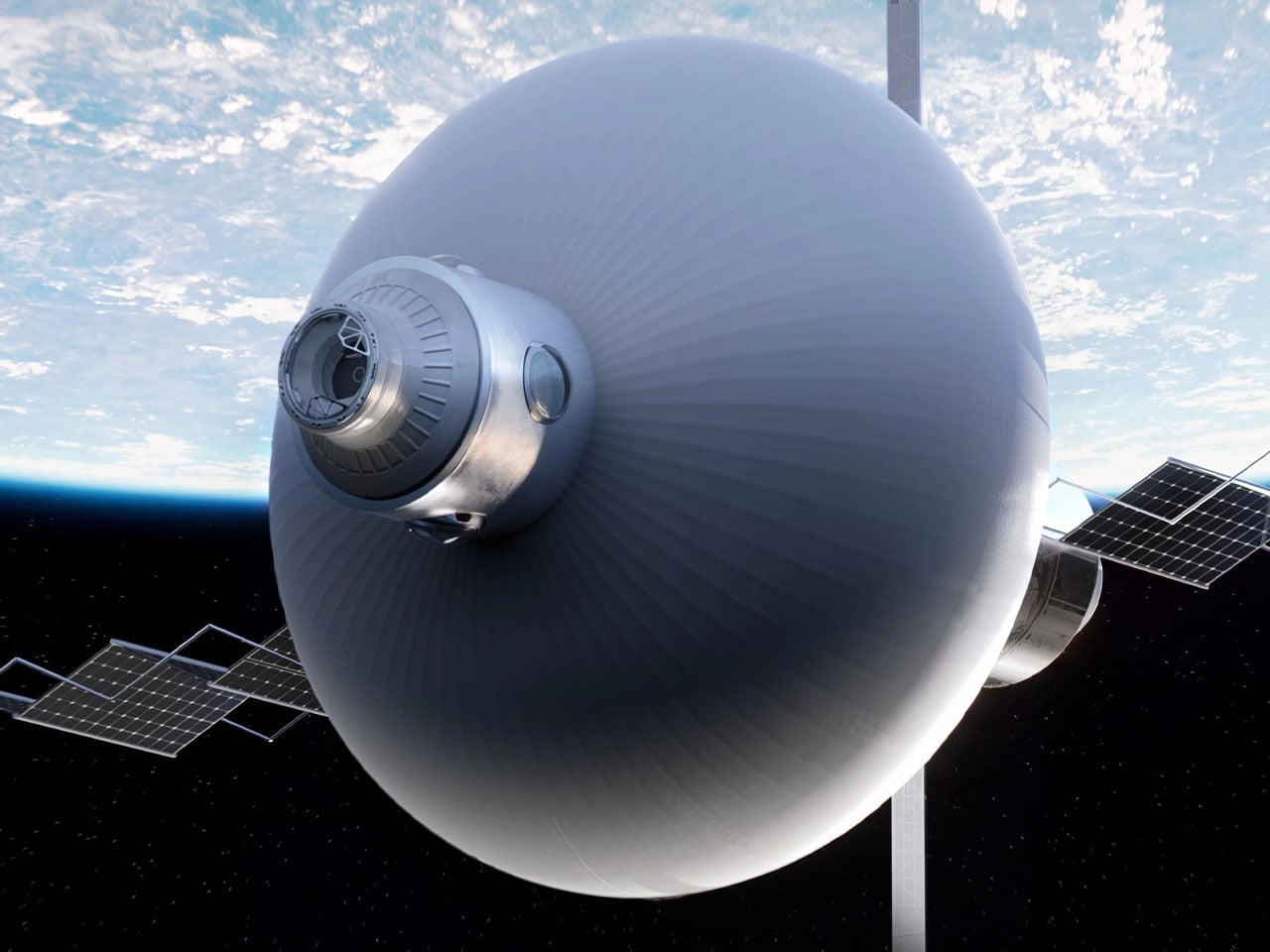
As the International Space Station (ISS) reaches the end of its operational life by the end of the decade, NASA is shifting its focus toward commercially owned space stations, leaving space habitat design to private enterprises. One such innovator, Max Space, based in Florida, is introducing an exciting concept known as “Thunderbird.” This module is designed to launch compact and expand in low Earth orbit, allowing for a more useful living space than existing models.
Key Features of Thunderbird:
- Expandable Design: Unlike the ISS, which required years of assembly in orbit, Thunderbird can deploy immediately upon launch, making it a compelling option for future missions.
- Intelligent Use of Materials: The concept employs a fabric-based structure to maximize internal space while ensuring it remains under safe transport limits.
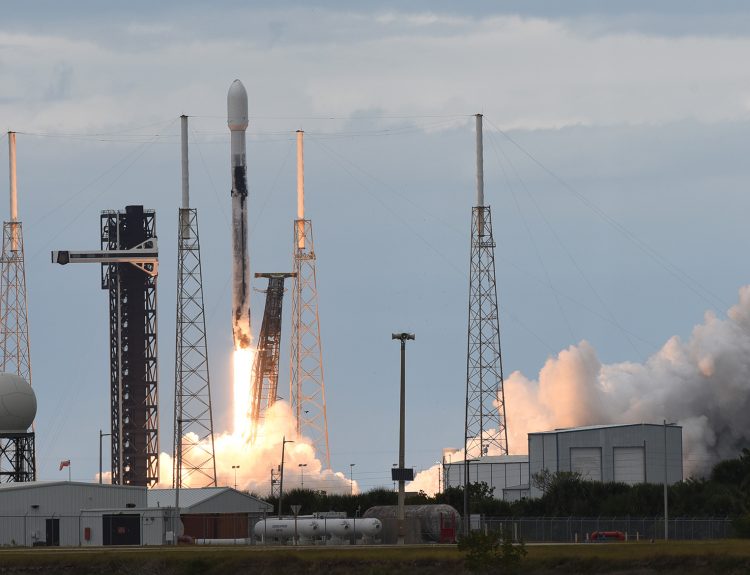
- Collaboration with NASA: Developed under a Space Act Agreement, Thunderbird aims to undergo extensive testing before its anticipated launch on a SpaceX Falcon 9 rocket.
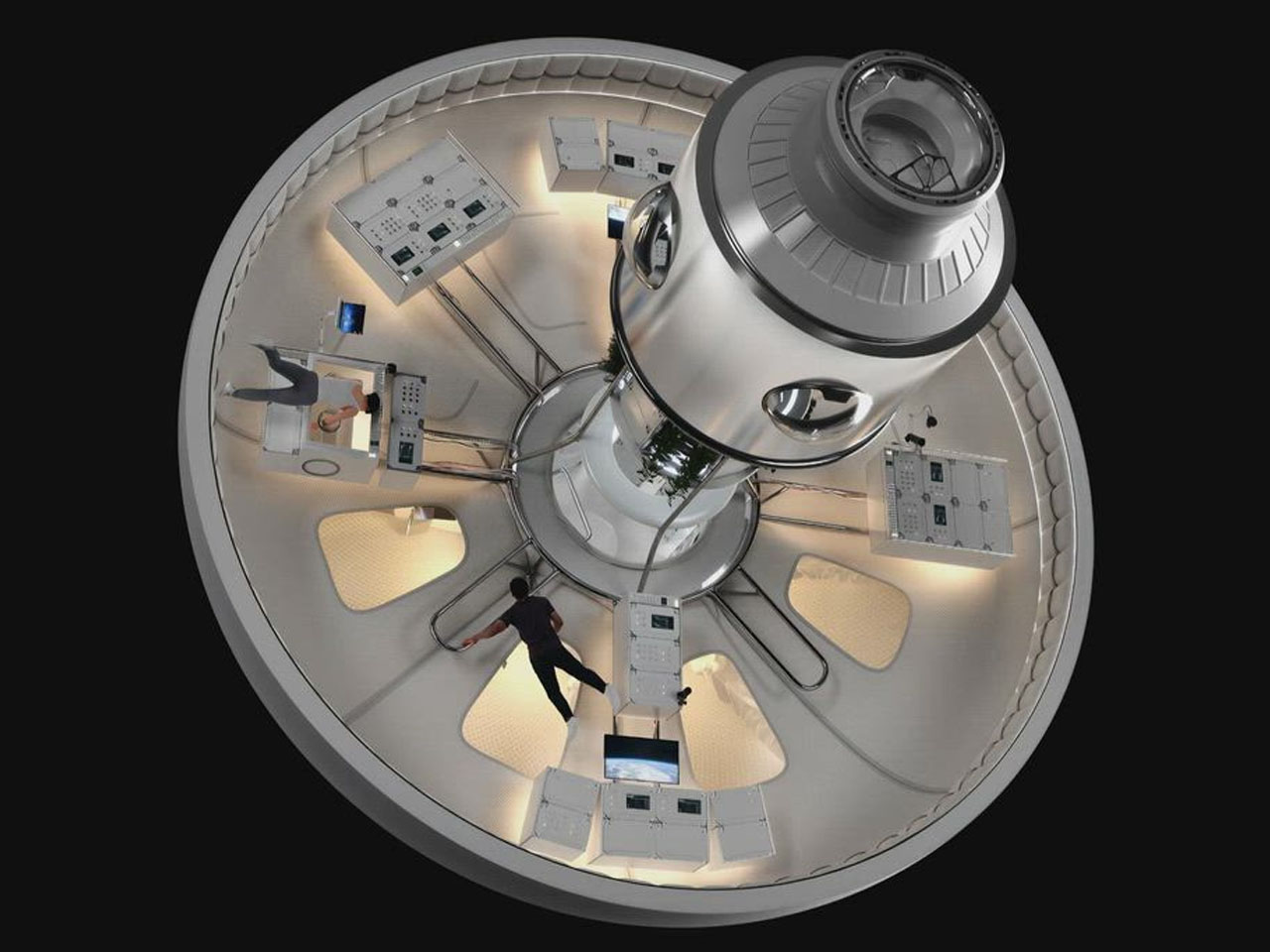
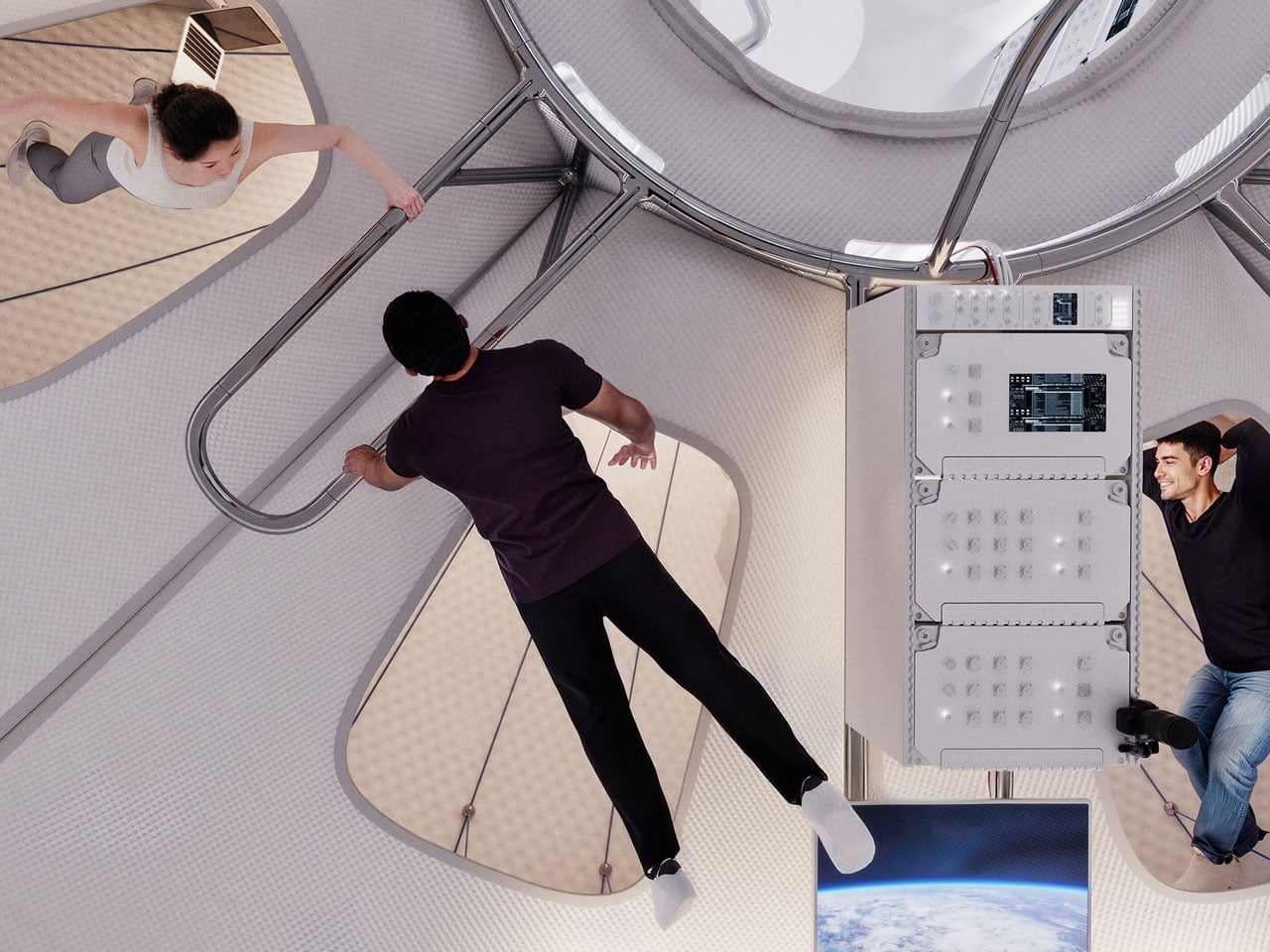
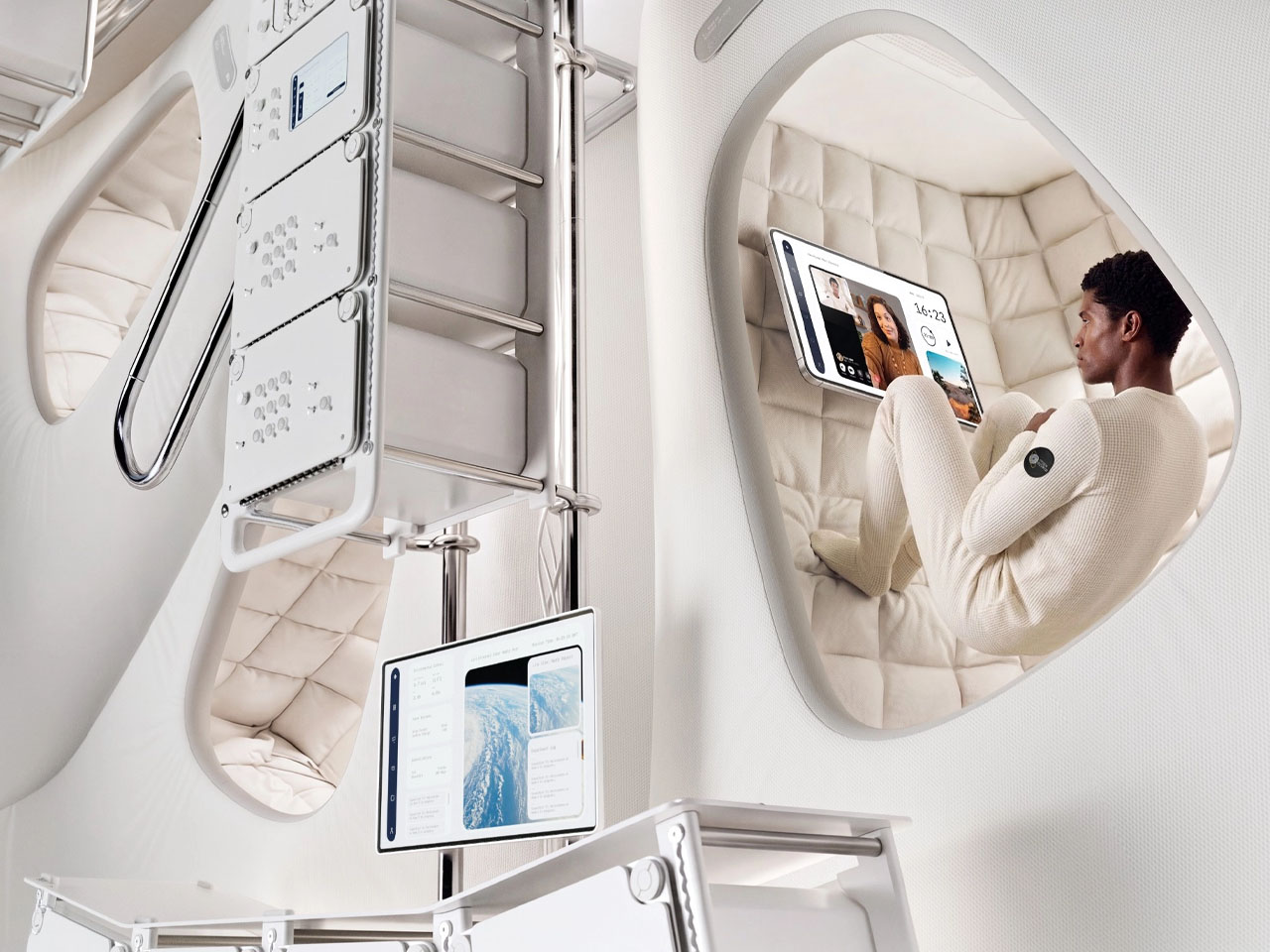
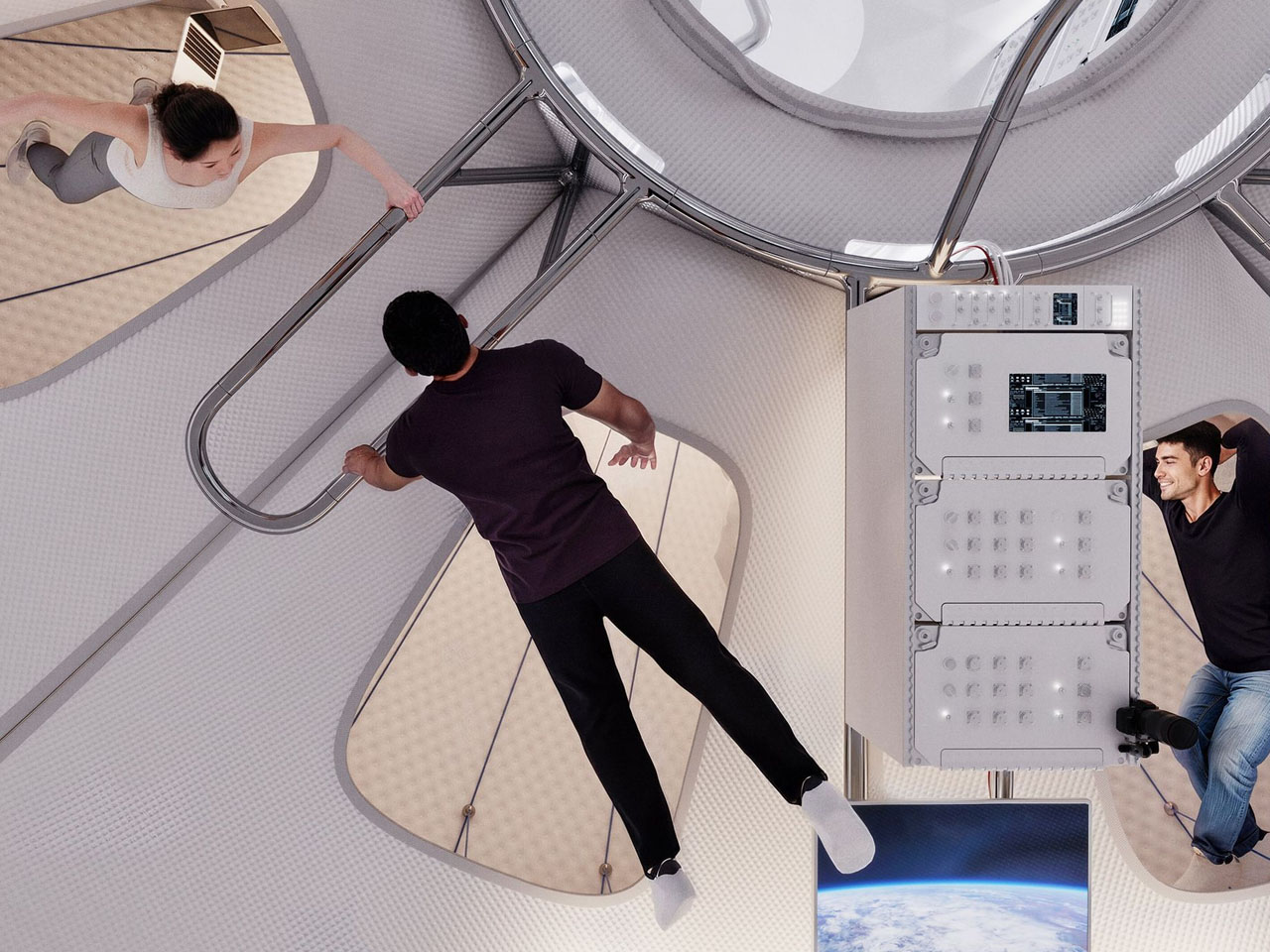
The design not only considers function but also emphasizes a human-centered environment. The crew habitat will boast dedicated sleeping pods, a gym, labs, and living spaces, all within a highly durable structure intended to endure extreme temperatures and protect against micrometeoroids with advanced materials, like multi-layered Kevlar.
A Vision for Future Missions
Max Space insists that Thunderbird isn’t just about sustenance in low Earth orbit; it’s designed with lunar and Martian missions in mind, hoping to address the evolving needs of space exploration.
For more details, check out the heavy technical collaboration and design insights by Max Space and OMI.
Conclusion
Thunderbird represents a new age of space habitats, merging advanced engineering with human-centric design. As NASA pivots its focus to deeper space explorations, Thunderbird stands ready to replace the ISS and pave the way for future planetary explorations.