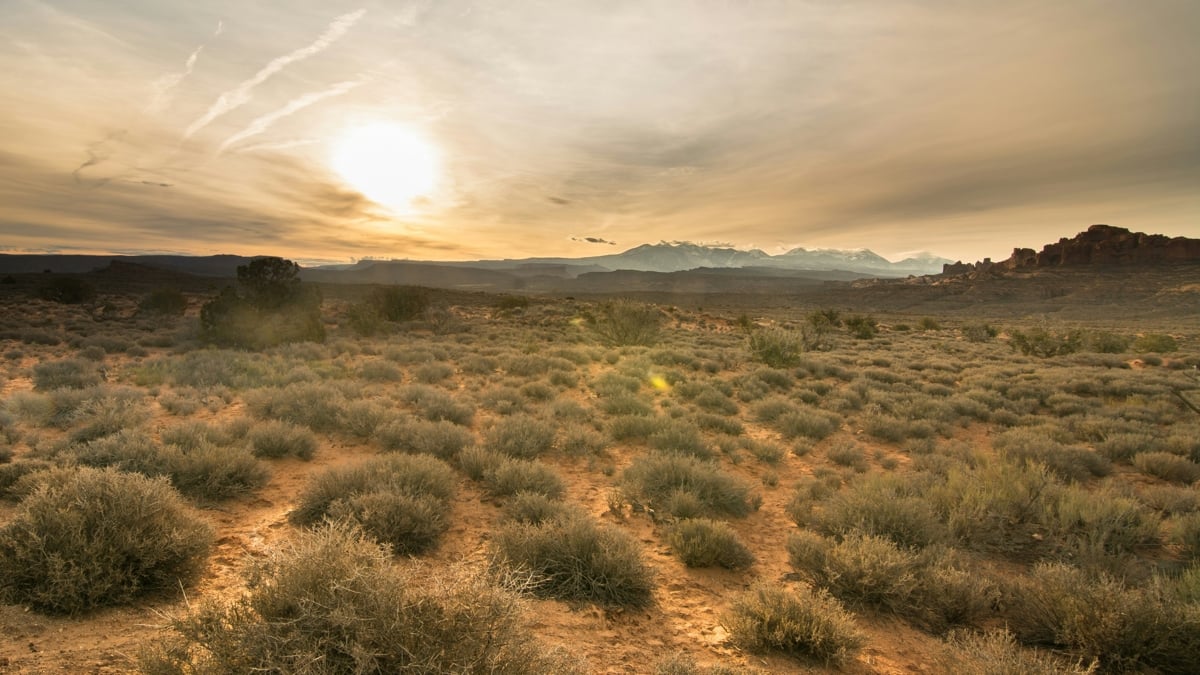
The increasing heat in our world is predicted to exacerbate dryness in many already arid regions. A recent study published in Environmental Research Letters suggests that by the end of the 21st century, drylands could cover over 40% of Earth’s land area. However, surprisingly, rising carbon dioxide (CO₂) levels, a major contributor to climate change, may be slowing the expansion of these drylands.
Drylands, characterized by significant water scarcity due to low precipitation and high evaporation, are expected to push into formerly humid regions, leading to increased water shortages and ecological decline. The study utilized updated climate models and an aridity index to assess current dryland distribution and project future changes, revealing that drylands already encompass about 38.58% of the planet’s land, excluding Antarctica.
One key finding is that rising CO₂ levels affect plant transpiration, causing plants to lose less water through their stomata when CO₂ concentration is high. This factor is often overlooked in other studies, resulting in inflated dryness estimates. The researchers’ CO₂-adjusted analysis predicts that drylands could increase to cover between 39.31% to 40.28% of Earth’s land by 2100, with hyper-arid regions experiencing the largest growth.
Despite the grim outlook, the researchers’ estimates are significantly lower than some previous projections, which suggested drylands could cover up to 56% of the planet by the century’s end. The forecast indicates a concerning rise of about 2.37 million square kilometers of drylands, equivalent to the size of Algeria or 30% of Australia.
Australia, noted for its extreme dryness, is projected to experience the most significant changes in dryland coverage, followed closely by Brazil and parts of Africa. The study emphasizes the urgent need for updated assessments of dryland extent to support climate adaptation and sustainable development efforts globally.