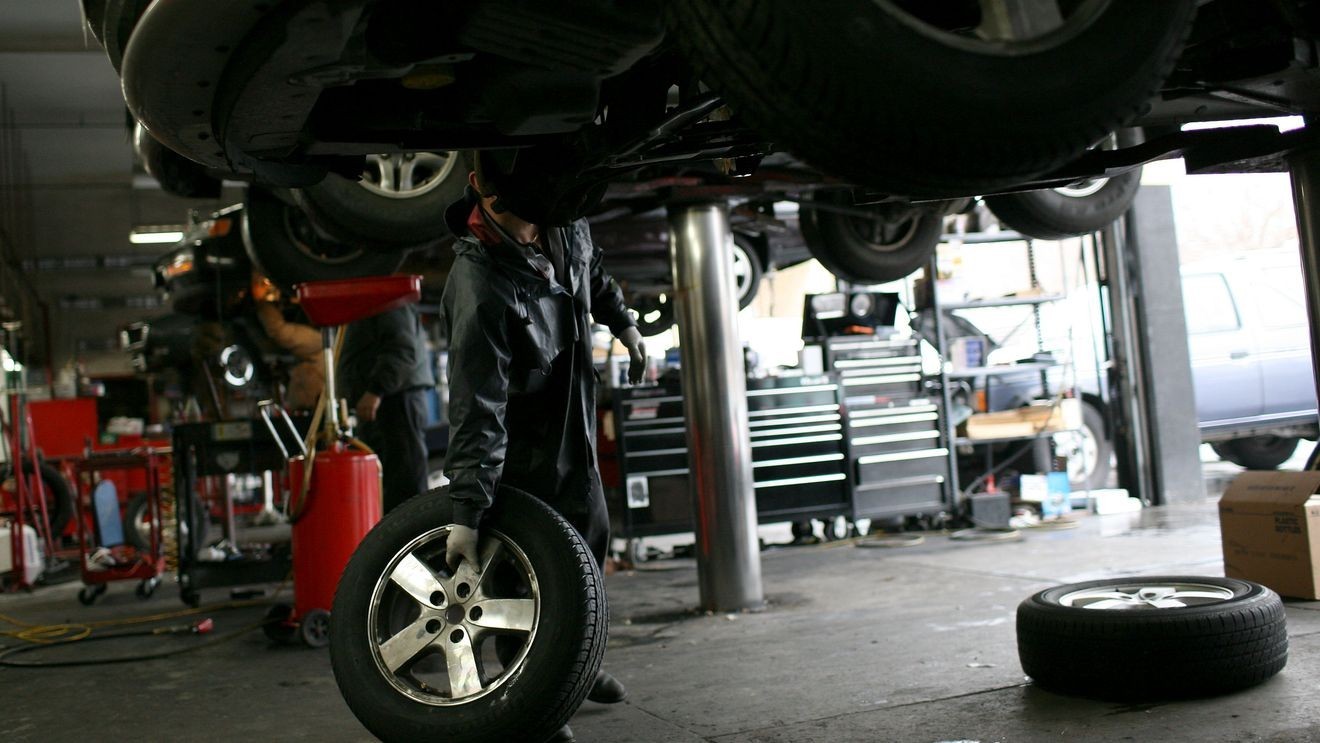
Doug Grills, co-owner of an auto repair business in Clarksburg, Md., highlights the significant technological changes in the automotive industry over the past 27 years. He points out that modern cars are now heavily reliant on computer systems, which can create challenges for independent mechanics. Often, automakers restrict access to repair information, forcing customers to go to dealerships, which can be more expensive.
In response to these challenges, there’s a growing movement advocating for “right to repair” legislation, including the bipartisan Right to Equitable and Professional Auto Industry Repair Act. This law aims to ensure that independent shops have equal access to necessary tools and information. Grills shares a personal anecdote about a windshield replacement that left a car unable to start due to the vehicle’s system detecting an unauthorized repair.
Similarly, in Albuquerque, brothers Dustin and Nolan Brown of Brown’s Automotive Experts express frustration over obstacles in performing basic repairs, further emphasizing the negative impact on consumers in rural areas who face limited repair options. Opponents of the right to repair laws argue they could hinder innovation and compromise safety.
However, Grills counters these claims by highlighting the high costs associated with dealership repairs and the increased maintenance expenses families encounter. With rising repair costs and the ongoing push for change from various industries, the topic continues to gain traction, even drawing attention from high-profile figures like former President Donald Trump.