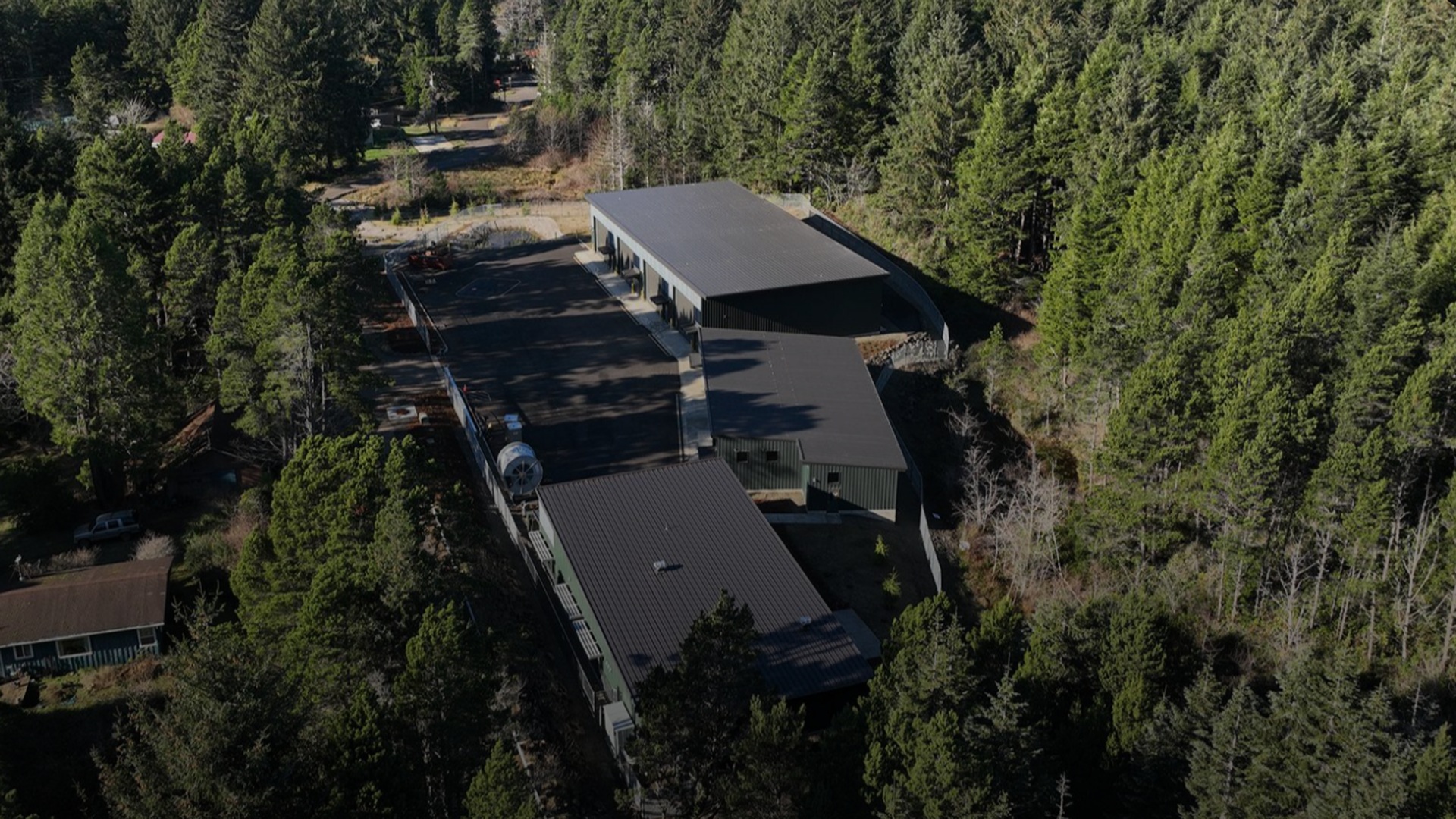
The U.S. has officially opened its first pre-permitted, grid-connected wave energy test site, known as PacWave South, located about seven miles off the Oregon coast. This facility, developed by Oregon State University (OSU) after over 15 years of planning and construction, holds the potential to generate approximately 1,400 terawatt-hours (TWh) of wave energy each year—roughly 34% of the current U.S. electricity generation, enough to power 130 million homes.
PacWave South enables developers to test wave energy devices in an open-ocean environment, transmitting generated electricity back to shore through a system of subsea cables. The project, supported by the U.S. Department of Energy, eliminates the need for major infrastructure builds and lengthy permits, streamlining the process for testing new technologies.
The facility consists of around 50 miles of cabling linking offshore testing areas to onshore facilities, allowing for efficient monitoring and distribution of energy to the local grid. A power purchase agreement with Bonneville Power Administration will ensure that the electricity generated during trials is distributed to local homes and businesses.
This innovative site will not only measure the energy output of devices but also assess their environmental impacts on marine ecosystems, marking a significant step in expanding renewable energy resources in the U.S. With the official ribbon-cutting ceremony attended by around 150 guests, the facility is now operational, paving the way for the deployment of marine energy technologies.