In honor of Labor Day, I’m excited to share a tribute to the rich tapestry of working-class songs and stories drawn from the music history podcast Let It Roll, which I host under my real name.
Recently, I have revived the podcast, which boasts approximately 300 episodes recorded from 2018 to 2024. This revival involves reposting the songs in chronological order by topic—a shift from their original release, which was more chaotic. This collection is titled “Let It Roll: From the Beginning…to the End.”
You can find the show on Substack and wherever podcasts are available. Full episodes are accessible to paying subscribers, while the free versions include content up to the last 15 minutes.
Now, let’s dive into the meaningful labor songs and narratives.
To start, we celebrate the country and folk music legends who provided solace during the Dust Bowl and the Great Depression.
Roy Acuff, Bob Wills, Gene Autry, and Woody Guthrie: Country Music’s Guiding Lights
As part of our Country Roll series inspired by Ken Burns’ Country Music documentary on PBS, I collaborated with Chicago blues musician and DJ James Porter to discuss the struggles of the 1930s and the country musicians who provided a lasting soundtrack through live radio, tours, and records.
Next, let’s explore the pioneers of the 1930s folk music revival.
Alan Lomax, Pete Seeger, Josh White & Jean Ritchie: The First Folk Revival
Before the advent of radio and records, people relied on storytelling and singing traditional songs for entertainment. Scholars like the Brothers Grimm and James Francis Child began collecting these tales in the Romantic era to preserve and popularize them.
In the 1930s, trailblazers such as Alan Lomax, Pete Seeger, Josh White, and Jean Ritchie followed Child’s footsteps, venturing into rural areas and cafes to record and disseminate folk music.
I had the pleasure of conversing with author Dave Thompson about his book “An Evolving Tradition: The Child Ballads in Modern Folk and Rock Music” during our Let It Folk series, focusing on the 1930s-40s folk revival and its key figures.
Now, let’s examine the impact of this movement as it burst into the mainstream during the McCarthy era.
The Weavers: Folk Music’s Mass Appeal and the Blacklist
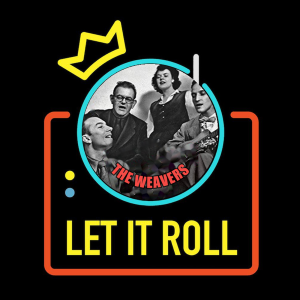
In the early 1950s, four influential artists from the left-wing New York folk scene rocketed to the top of the charts, only to find themselves embroiled in McCarthy-era blacklists almost immediately.
Lee Hays, Pete Seeger, Ronnie Gilbert, and Fred Hellerman aspired to share the folk traditions of their friends, including Leadbelly and Woody Guthrie, with a broader audience. Their signing with Decca Records and collaboration with the polished producer Gordon Jenkins was met with both widespread acclaim and backlash from the right.
Their anti-communist sentiments culminated in the group’s retreat from the public eye for nearly a decade, only to return triumphantly with a show at Carnegie Hall in the late 1950s.
I discussed the Weavers with their biographer, Jesse Jarnow, in 2019. Listen here.
Next, we’ll explore the journey of the Okies as they relocated to California, and how hillbillies made their way to Nashville.
The Bakersfield Sound: Working-Class Anthems on the Airwaves
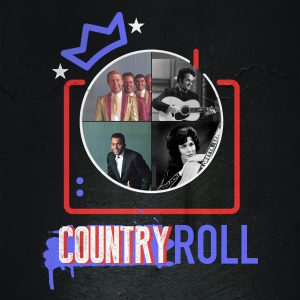
The children of the Okies, who had borne the brunt of The Grapes of Wrath, entered the national spotlight through the electrifying Bakersfield Sound, led by Buck Owens and Merle Haggard.
They stood up against Nashville’s status quo while Charley Pride broke barriers by integrating the scene and Loretta Lynn introduced her proto-feminist anthems, profoundly influencing bands from The Beatles to The Byrds and Gram Parsons.
Merle Haggard took a significant turn to the right in the late 60s with hits like “Okie From Muskogee” and “The Fighting Side of Me,” foreshadowing the Republican Party’s takeover of the white working class, culminating in the MAGA movement and the election of Trump.
Following Trump’s re-election, many Black and Hispanic working-class individuals also leaned into the MAGA phenomenon, creating complex implications for society. But let’s return to the music.
James Porter and I continued our CountryRoll series, reflecting on the tumultuous 1960s in country music.
Next, we’ll highlight the Tejanos and their music.
Chula Fronteras: Celebrating Tejano Legends Like Lydia Mendoza, Narciso Martínez, and Flaco Jiménez
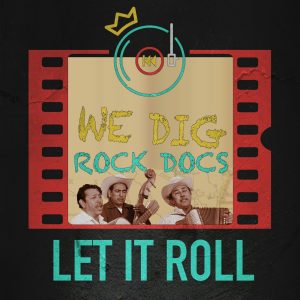
The essence of working-class America is encapsulated in Tejano music, the vibrant sound of the Texicans. Les Blank chronicled their journey in his iconic 1976 documentary Chula Fronteras.
In 2022, South by Southwest CTO Justin Bankston and I delved into the film and the music that inspired it as part of our We Love Rock Docs series. Listen here.
Now, let’s turn to London, where the working class made their voices heard during the 1960s.
The Kinks: Class Consciousness and the Promises of Swinging London
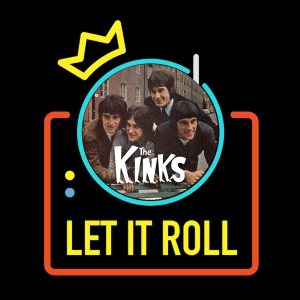
Swinging London embraced the creativity of working-class talent, though many artists, including the Beatles and actor Michael Caine, rarely criticized the system that elevated them. The Kinks, on the other hand, could not hold their tongues.
The Davies brothers and their band burst onto the rock scene with iconic guitar-driven hits like “You Really Got Me.” However, after a fallout with the American Federation of Musicians, Ray Davies found himself exiled back to England.
Their subsequent music adopted a biting tone, lambasting the British establishment and then the music industry itself with songs like “A Well Respected Man” and “Dedicated Follower of Fashion.” They celebrated their working-class roots, often with both earnestness and a wink.
In 2021, I spoke with Mark Doyle, author of “The Kinks: Songs of the Semi-Detached,” about the band’s evolution. Listen here.
Next, let’s unravel the dramatic story of the MC5, a group that burst onto the scene with radical politics intertwined with hard rock.
The MC5: A Volatile Alliance of Hard Rock and Radical Politics
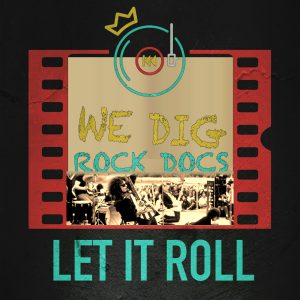
Often credited with pioneering hard rock, heavy metal, and punk, the MC5 reigned over the fierce Detroit music scene that launched artists like Iggy and the Stooges and Alice Cooper.
However, their association with local radical John Sinclair led these sons of auto workers too far left for the traditional music industry to tolerate.
The MC5 were the only band to perform at the 1968 Democratic National Convention, breaking down their equipment just moments before police arrived.
Their commitment to a rock’n’roll ethos—including “dope and (family blogging) in the streets”—resulted in losing their recording contract with Elektra and faced backlash from both the left and right during their tours, leaving a mark that still resonates today.
In 2022, Justin Bankston and I explored their remarkable yet troubled legacy based on the unreleased documentary MC5: A True Testimonial.
Now, let’s investigate the transformative effect of freeways on the Bronx.
Hip-Hop: A Cultural Movement Born in the Bronx
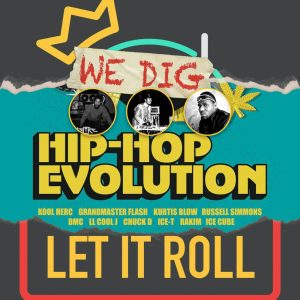
In a time when America turned its back on marginalized communities, landlords resorted to arson, and drugs flooded the streets, young Black and Latino communities harnessed turntables and records to forge a revolutionary music genre.
I collaborated with friends Alexei Auld and Eugene S. Robinson to discuss Netflix’s Hip-Hop Evolution.
In this episode, we delved into “The Foundation,” exploring the impact of DJ Kool Herc, Afrika Bambaataa, and Grandmaster Flash. Listen here.
Now, let’s analyze a foundational working-class anthem and the man who rocketed it to the top of the charts, facing consequences along the way.
Johnny Paycheck: “Take This Job and Shove It” and Its Impact
Johnny Paycheck, a seasoned musician from Nashville, had a portfolio rich in hardcore country when he recorded David Allen Coe’s empowering anthem “Take This Job and Shove It.”
The song’s success catapulted Paycheck to millionaire status, though legend suggests he squandered his fortune on cocaine.
Mike Judge, creator of Beavis and Butthead, Office Space, and Silicon Valley, directed an animated series for Cinemax during the late 2010s titled “Tales From the Tour Bus,” featuring Paycheck in the premiere episode.
Produced by Jeff Feuerzeig, known for the acclaimed documentary The Devil and Daniel Johnston, the episode balances humor with poignant moments, though it is currently unavailable for streaming.
If you’re interested, there’s a Reddit thread with links on where to find it.
Justin Bankston and I explored Johnny Paycheck’s story and Judge/Feuerzeig’s portrayal on Let It Roll. Listen here.
Next, we turn our focus to the hardcore punk scene that emerged when punk did not chart in the late 1970s, and its fans refused to be silenced.
Hardcore Punk: A Nightmare for 80s Corporate America
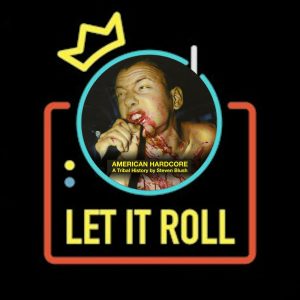
From 1980 to 1986, hardcore punk bands created their own labels, venues, fanzines, and touring circuits, largely outside the traditional music industry that ignored them.
I had the opportunity to speak with Steven Blush, the author of “American Hardcore: A Tribal History” and creator of the 2006 documentary of the same name, in 2021. We talked about the vibrant subculture that I arrived at just a moment too late to experience.
Finally, we conclude with the working-class musical revolution sparked when Black—often gay—Chicago teenagers embraced samplers and drum machines.
Frankie Knuckles, Ron Hardy, and the Emergence of House Music in Chicago
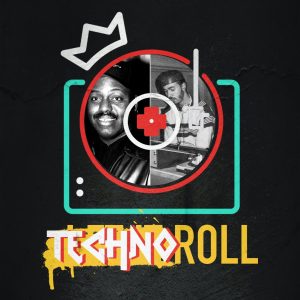
Frankie Knuckles left a lucrative DJ position at a gay bathhouse in Detroit for a steady gig in Chicago’s Warehouse club, bringing with him the disco rhythms of New York City.
Alongside his local rival Ron Hardy, they crafted a new genre called House Music, igniting a worldwide dance revolution initially led by working-class Black youth from Chicago and their more affluent peers in Detroit.
I discussed the history of DJ culture with veteran DJ Ryan Harkness, focusing on “Last Night A DJ Saved My Life – The History of the Disc Jockey” by Bill Brewster and Frank Broughton, during the opening part of our TechnoRoll series on DJ-driven music.
Thanks to Yves for letting me share my passion. I hope these songs and stories bring a bit of joy to your Labor Day celebrations. And for those outside the U.S., happy (belated) May Day!