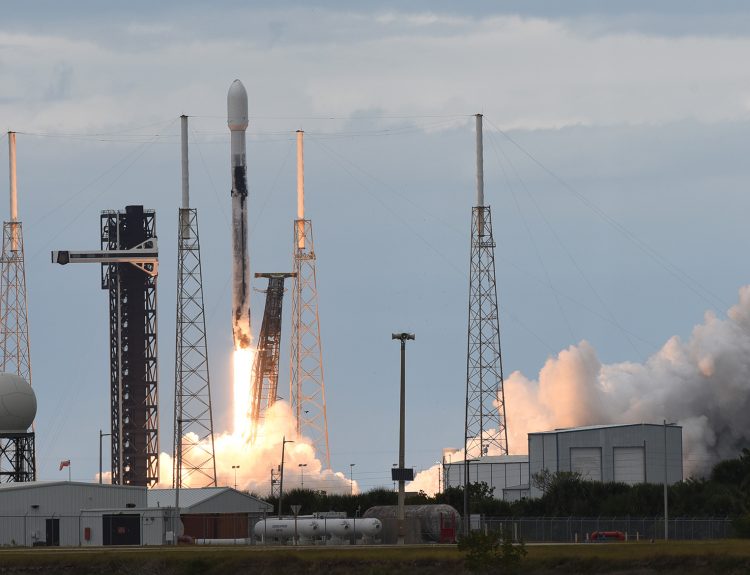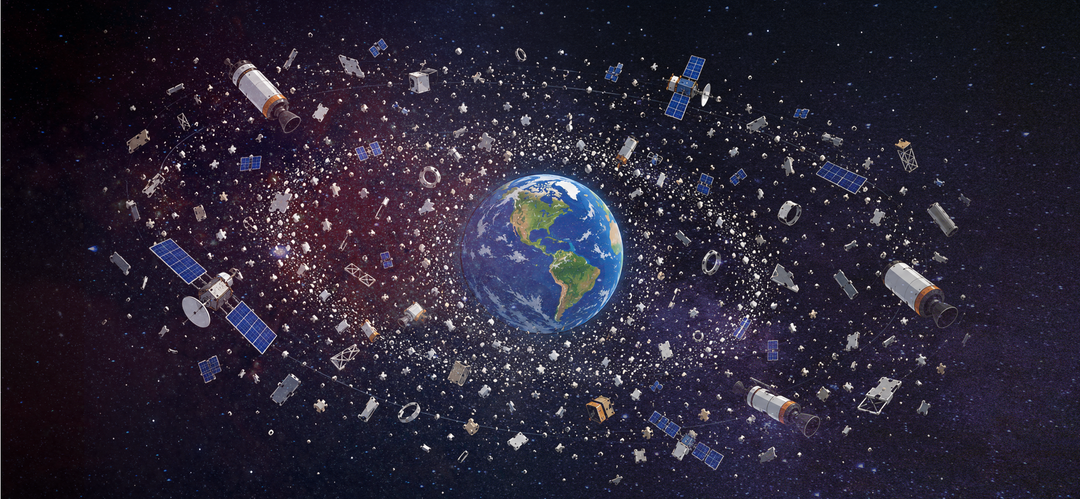
The proliferation of satellites and space debris poses significant challenges for space sustainability. Notably, Elon Musk’s personal cherry-red Tesla, launched into space in 2018, is among thousands of such objects. While Musk’s car drifts through space, the increasing congestion — driven by initiatives like SpaceX’s planned deployment of millions of new spacecraft — raises collision risks.
Experts, including space sustainability analysts, stress that without an international regulatory framework, the threat of catastrophic space collisions is escalating. The current collision warning system tracks around 54,000 objects, with proactive maneuvers to avoid collisions being a costly imperative, estimated at $2 billion annually.
The potential for Kessler syndrome — where cascading collisions render orbital regions unusable — creates urgency for responsible satellite management. As mega-constellation deployments advance, the challenge becomes not just tracking objects but ensuring long-term safety and usability of space.