Safety in Drycleaning Operations
Understanding Risks
In a drycleaning plant, calmness at the counter contrasts sharply with the bustling backroom filled with steam, solvents, and machinery. Mike Puppe, general manager of Tiffany Couture Cleaners in Las Vegas, identifies various physical hazards:
- Noise levels: High levels of noise can lead to hearing damage.
- Hot conditions: Employees face risks from steam and hot water burns.
- Moving machinery: Equipment like presses and conveyors pose pinch and crush hazards.
Common Hazards
Jon Meijer from the Drycleaning & Laundry Institute (DLI) emphasizes that many injuries stem from slips, falls, and minor accidents rather than solvent exposure. Typical issues include:
- Uneven flooring
- Obstructed paths
- Steam exposure when pulling clothes
For delivery drivers, the risks extend to road-related accidents, aggressive animals, and fatigue from long hours.
Proactive Safety Management
Heath Robinson of World Insurance Associates highlights the importance of proactive safety management. He discusses the incident pyramid concept, where a large number of minor unsafe acts can foreshadow serious injuries or fatalities. Key takeaways include:
- Preventative action: Addressing unsafe acts and near misses can prevent major claims.
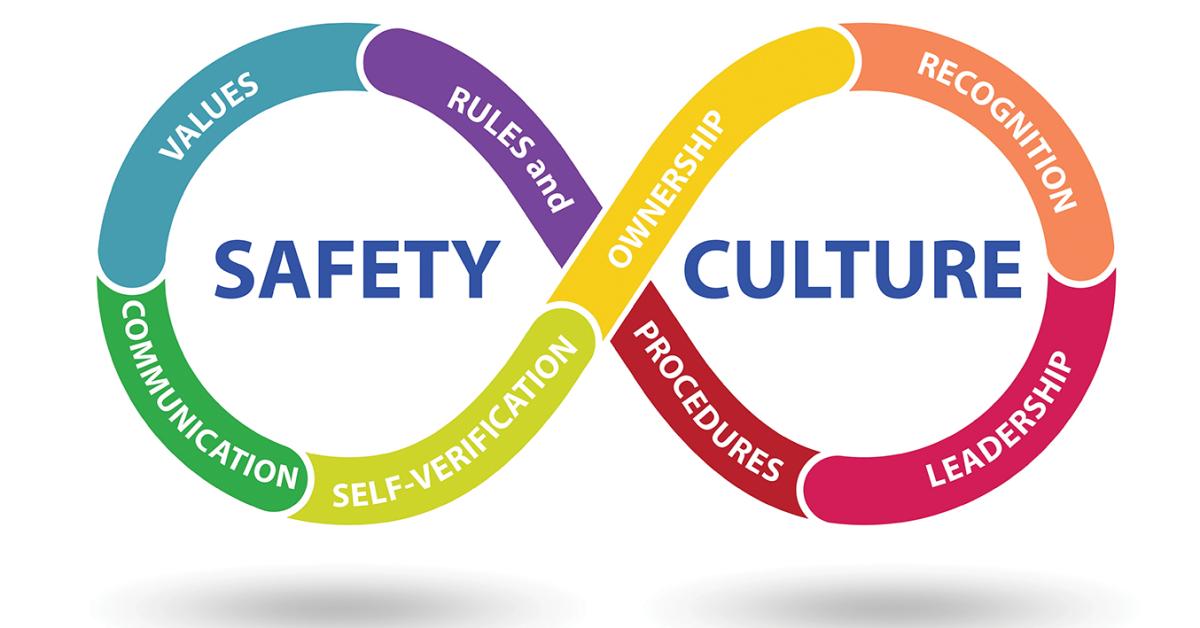
- Culture of safety: Building a safety-first mindset should start at onboarding, not after incidents occur.
Training and Documentation
Effective safety training tailored to specific roles is crucial. For instance, counter staff require different training than those handling machinery. Important strategies include:
- Onboarding safety training: Employees receive a safety handbook and familiarize themselves with hazards before starting.
- Documenting training: Proper documentation is essential for legal protection and to ensure employees are trained adequately on safety policies.
Conclusion
A strong safety culture in the drycleaning industry demands proactive measures from day one. By prioritizing training, documentation, and awareness, both management and employees can minimize risks and foster a safer working environment.
Stay tuned for Part 2, where we’ll discuss OSHA’s most-cited hazards and the significance of employee input in safety discussions.