Study Reveals Connection Between Breathing and Anxiety
Anxiety disorders, affecting around 359 million people globally, are the most prevalent mental health conditions. While controlled breathing techniques have been shown to alleviate anxiety, the exact mechanisms remain largely unclear. Recent research published in PNAS sheds light on this by identifying a “nose-to-brain circuit” that may explain how nasal breathing impacts anxiety levels.
The Scientific Background
Cultural practices like pranayama, Taoist breathing, and meditation have long recognized the emotional effects of breathing. Modern studies indicate that slow, rhythmic breathing can significantly influence emotional states and combat anxiety disorders.
Automatic breathing begins in the brainstem, but we can consciously alter this through a “top-down” pathway involving the frontal cortex. However, the specific neural mechanisms facilitating breathing’s effects on anxiety are still being explored.
New Findings on Breathing and Emotion Regulation
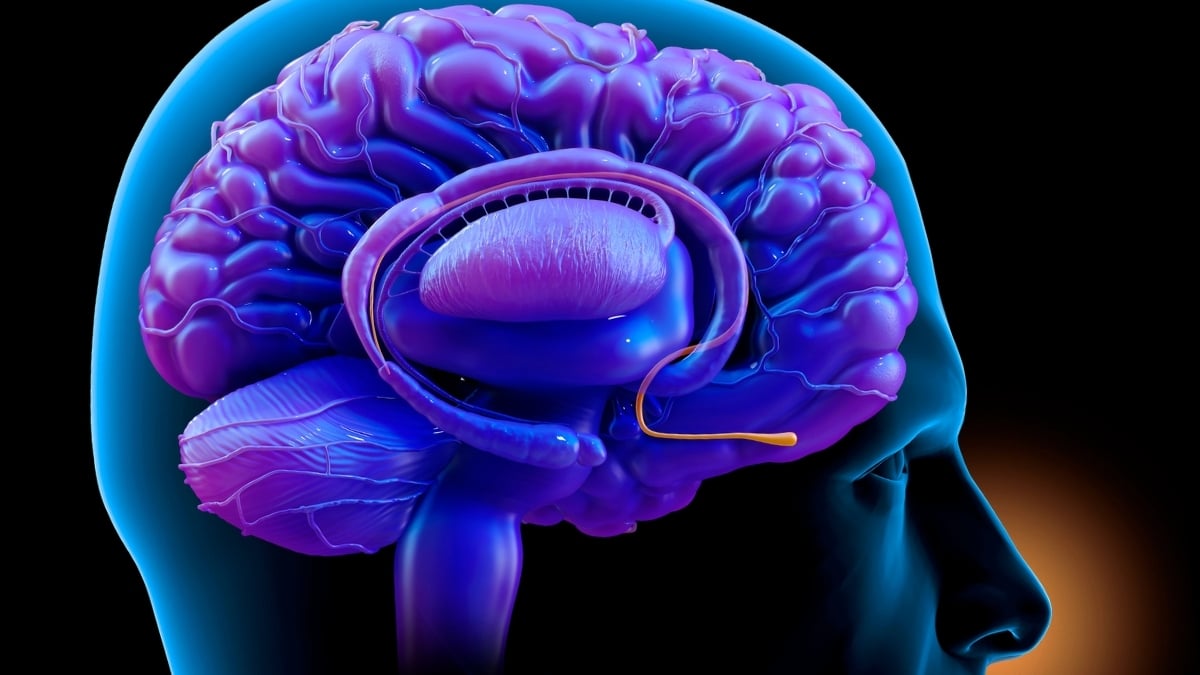
The study focused on olfactory sensory neurons (OSNs), which not only detect odors but also respond to airflow in the nasal cavity. These neurons send signals to the olfactory bulb, which is linked to the limbic system—a network integral to emotional regulation.
Researchers hypothesized a “nasal-limbic mechanism” where the frequency of nasal breathing could modulate anxiety through sensory signaling.
By manipulating nasal sensory signals in male mice using advanced techniques like optogenetics, scientists discovered that nasal airflow influences anxiety-like behaviors based on the frequency of breathing. This effect appears to be bidirectional; faster breathing may heighten anxiety, while slower breathing tends to reduce it.
Experimental Strategies and Results
To test their hypothesis, researchers employed various methods, such as chemogenetics and behavioral tests, to reveal the intricate mechanisms at play:
-
Pathway Identification: OSNs transmit signals to the olfactory bulb, then to the perirhinal cortex, and ultimately to neurons in the amygdala, where anxiety is regulated.
-
Manipulation Effects: Altering the olfactory bulb-to-perirhinal-cortex connectivity disrupted the link between nasal breathing and anxiety regulation.
-
Controlled Airflow Experiment: Mice subjected to slow nasal airflow for two weeks exhibited reduced anxiety-like behaviors, indicating the potential therapeutic value of controlled nasal breathing.
Future Implications
While findings are promising, they remain preliminary, as the study only involved male mice. More extensive research is needed to see if these effects apply to humans.
The researchers conclude that slow nasal breathing could be a straightforward, noninvasive treatment for anxiety, potentially offering a new avenue for managing this widespread condition.
For detailed findings and further exploration, the study can be accessed in the Proceedings of the National Academy of Sciences.
Related Topics
This study opens new horizons for understanding and treating anxiety through the lens of breathing techniques.