The story of NASA’s latest space telescope, the Nancy Grace Roman, begins with a fortunate phone call to NASA in 2011. The U.S. National Reconnaissance Office offered two large curved mirrors, which they no longer needed from their spy satellite program. This unexpected gift excited NASA officials, as the mirrors were the same size as those on the Hubble Space Telescope and came at no cost.
Fast forward a decade, and thousands of engineers worked diligently to create a highly advanced space telescope that was launched just last month. The Roman telescope is designed to take some of the most extensive panoramic shots of the universe, powered by a 300-megapixel camera. Its primary mission is to survey 50 times the sky that Hubble covered over 30 years, returning a staggering 20 petabytes of data during its first five years of operation.
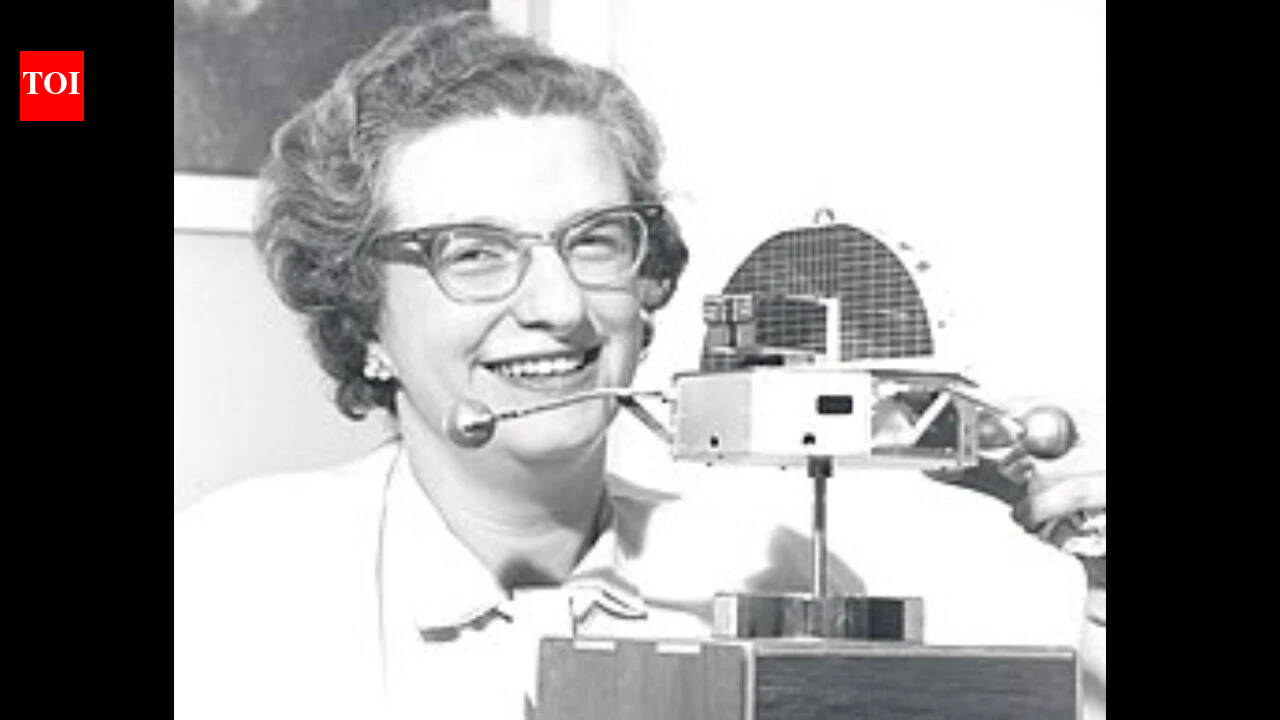
The telescope is named after Nancy Grace Roman, the first woman executive at NASA and a vocal advocate for space telescopes. One of her significant contributions was making the case for telescopes beyond Earth’s atmosphere in the 1940s. At the time of her passing, she was 93 years old, and now, her namesake is poised to revolutionize astronomy.
Malhotra, a NASA astrophysicist involved in the Roman program since 2017, emphasizes the telescope’s unique capacity to survey large swathes of the sky much faster than its predecessors. While Hubble and the James Webb Space Telescope excel in detailed observations of specific celestial objects, Roman can survey vast areas at a rapid rate, making it a powerful tool for astronomical exploration.
Additionally, Roman is equipped with a coronagraph that can image exoplanets by filtering out the overwhelming light from host stars. This technology will help scientists glean insights into the potential habitability of other worlds.
Collaboration with the ground-based Vera C. Rubin Observatory in Chile, which monitors a broad area of the sky in visible light, promises to enhance our understanding of the universe by combining their data. Together, these telescopes, named after pioneering women in astronomy, will help answer critical questions about distant galaxies, new planets, and possibly reveal clues to dark matter.