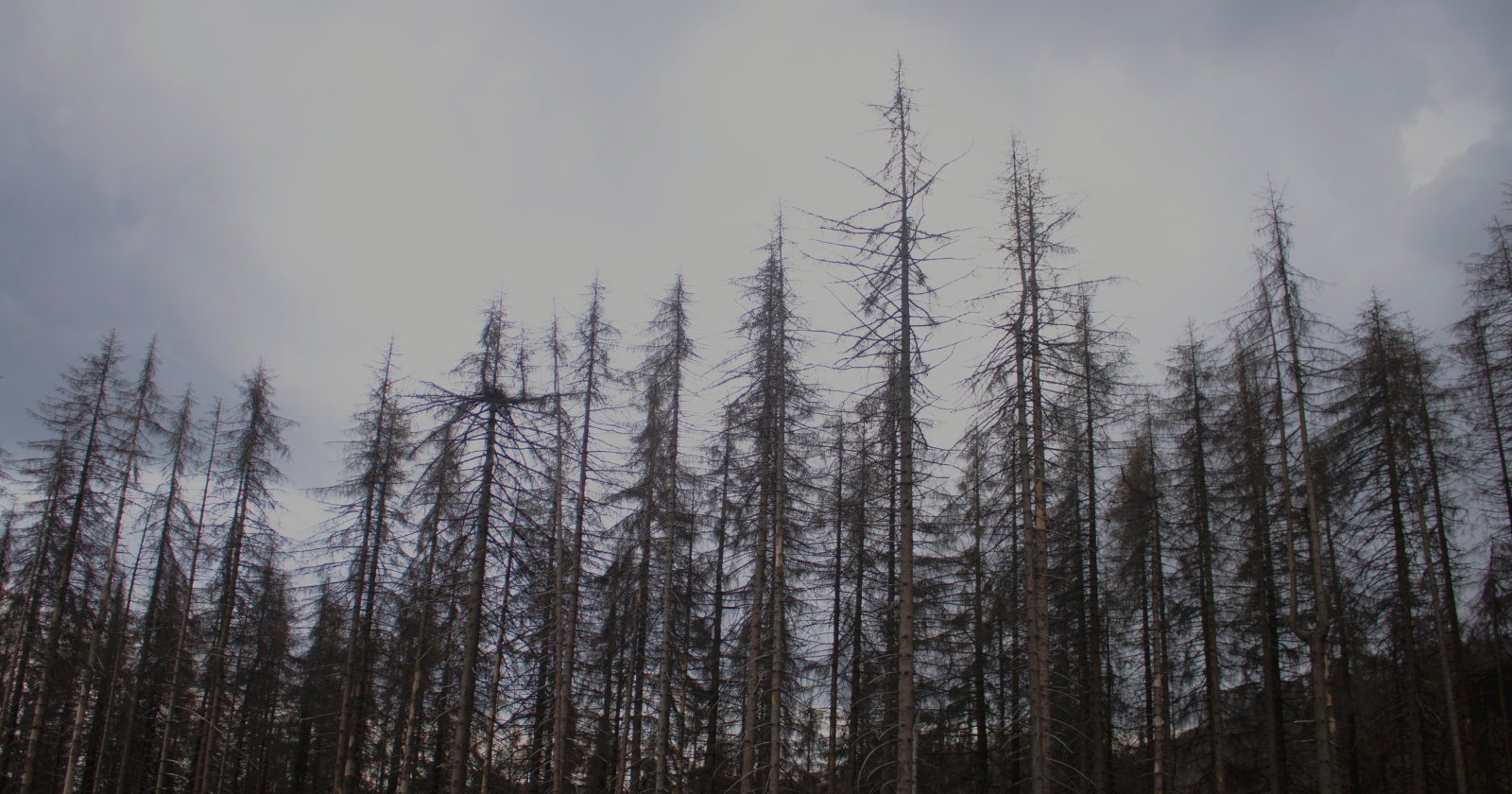
Ghost Forests along the American East Coast
Along the American east coast, extensive areas of trees have turned ashen, their bare branches standing stark against the landscape. Recent research led by Henry Chi Hang Yeung at the University of Virginia has uncovered that over 10 million dead trees are scattered from Maine to South Carolina. This finding, utilizing a deep learning model trained on aerial images, highlights the alarming state of coastal forests previously overlooked.
The Counting Process
Yeung painstakingly labeled over 50,000 trees by hand to teach the model how to identify dead trees. Traditional satellite data lacked the resolution necessary to detect individual trees, whereas this new method utilized aerial photography, revealing a grim picture of coastal forest loss. The research indicates that the 10 million tally may actually be an undercount, as trees already fallen or hidden beneath living canopies were likely missed.
Causes of Tree Mortality
The decline in tree health is attributed to salinization, flooding, and storm-driven sea spray encroaching inland. Trees are unable to absorb water when the surrounding soil becomes too salty, leading to death even in saturated conditions. Most dead trees are located within 5 metres of elevation, where salinity levels are most critical.
Impacts of Infrastructure
Interestingly, roads and levees have inadvertently created barriers to coastal flooding, significantly reducing forest loss in their vicinity. This unintentional protection has resulted in a temporary respite, as barriers keep rising waters at bay—it’s a stopgap measure as the underlying water continues to rise.
Ecosystem Changes
The transition from dead forests to salt marshes is rapid. While marshes provide essential ecological services, they store less carbon above ground compared to the forests they replace. Research showed that between 2001 and 2014, public land in North Carolina experienced a significant shift from forest to ghost forest, contributing to a notable loss of aboveground carbon.
The Lag in Ecosystem Response
Research indicates a lag in forest die-off compared to rising sea levels, suggesting that coastal ecosystems might endure longer than previously thought. However, the full impact of sea level rise remains unseen, as many coastal areas may still be years away from the most severe consequences.
Interactive Mapping Tool
For those interested in exploring this phenomenon further, an interactive map allows users to visualize the extent of coastal tree mortality along their own coastal areas, solidifying the reality of the shifting landscape shaped by climate change.
This overview underscores the urgent and complex challenges posed by climate change as forests shift and ecosystems transform along the eastern seaboard.