The Changing Landscape of Fall Travel
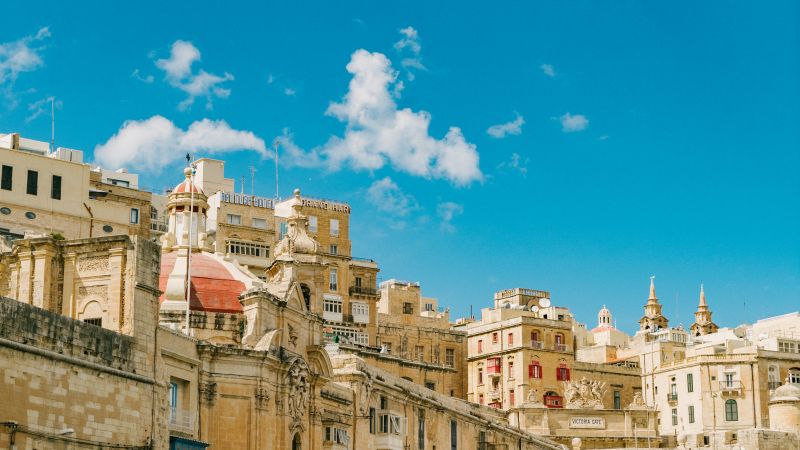
Heather Wright, a Seattle tax accountant, is facing an unexpected travel dilemma this fall. With off-season travel historically marked by lower prices and fewer crowds, she plans a November trip to Europe with friends, eyeing destinations like Malta or Madeira. However, she finds that flight prices are steeper than anticipated.
A Shift in Trends
“This fall is kind of weird. It just feels like the prices are a lot higher late into the season than they have been in the past,” she remarks. This sentiment resonates with many travelers affected by rising airfare costs, largely attributed to surging jet fuel prices due to geopolitical factors like the war with Iran. Additionally, the traditional autumn discounts appear diminished as more travelers seek out fall experiences.
Luxury Travel Surges
In contrast, many high-end travelers are embracing fall as the new summer, with Virtuoso reporting a remarkable increase in bookings. The network experienced a 59% uptick in bookings for fall 2026 compared to the previous year, with European destinations seeing bookings rise by 49% despite a 7% increase in prices.
Diminishing Domestic Discounts
Domestic fall travel in the U.S. has not fared much better. According to Hopper Technology Solutions (HTS), average domestic fall airfare has risen 39% from last year, placing prices on par with peak summer rates. Factors influencing this surge include heightened demand due to flexible work arrangements and less competition among airlines.
Search for Value
Travelers are advised to stay flexible with their travel plans. For instance, exploring alternate departure airports within a region or adjusting schedules can yield significant savings. With hotel rates also climbing steeply—averaging a 20% increase since summer—advocates recommend using rewards programs to maximize value.
The Fall Experience
Despite rising costs, fall travel remains attractive due to the cooler temperatures and reduced crowds, a major draw for many affluent travelers. Jo-Anne Redwood, a California travel advisor, notes the prevailing need for comfort, especially after her uncomfortable summer experience in Europe.
Higher Demand, Higher Prices
As fall travel becomes more popular, demand continues to outpace supply, with prices reflecting this trend. Redwood observes spikes in both cruise bookings and hotel room rates for popular dates. In particular, luxury accommodations now feature limited availability and notable price increases.
Economic Implications
While overall travel bookings may have dipped slightly this summer compared to previous years, the luxury market maintains steadier growth, mirroring fluctuations in the stock market. Increased emphasis on unique experiences over material possessions drives this trend.
The Waiting Game for Travelers
Wright, hoping to secure a good deal on premium seating, sees an unsettling number of empty seats juxtaposed against high prices. She speculates on a standoff between airlines and travelers, both waiting for the other to make the first move in what she describes as a curious waiting game.
The Future of Fall Travel
In the end, it remains clear: while opportunities for savings still exist, flexibility and strategic planning are vital in navigating an increasingly competitive travel landscape. With perceived costs potentially outweighing benefits, travelers like Wright are determined to find value without compromising their budgets.
Through careful consideration and a willingness to adapt, navigating the complexities of fall travel is not only feasible but also potentially rewarding.