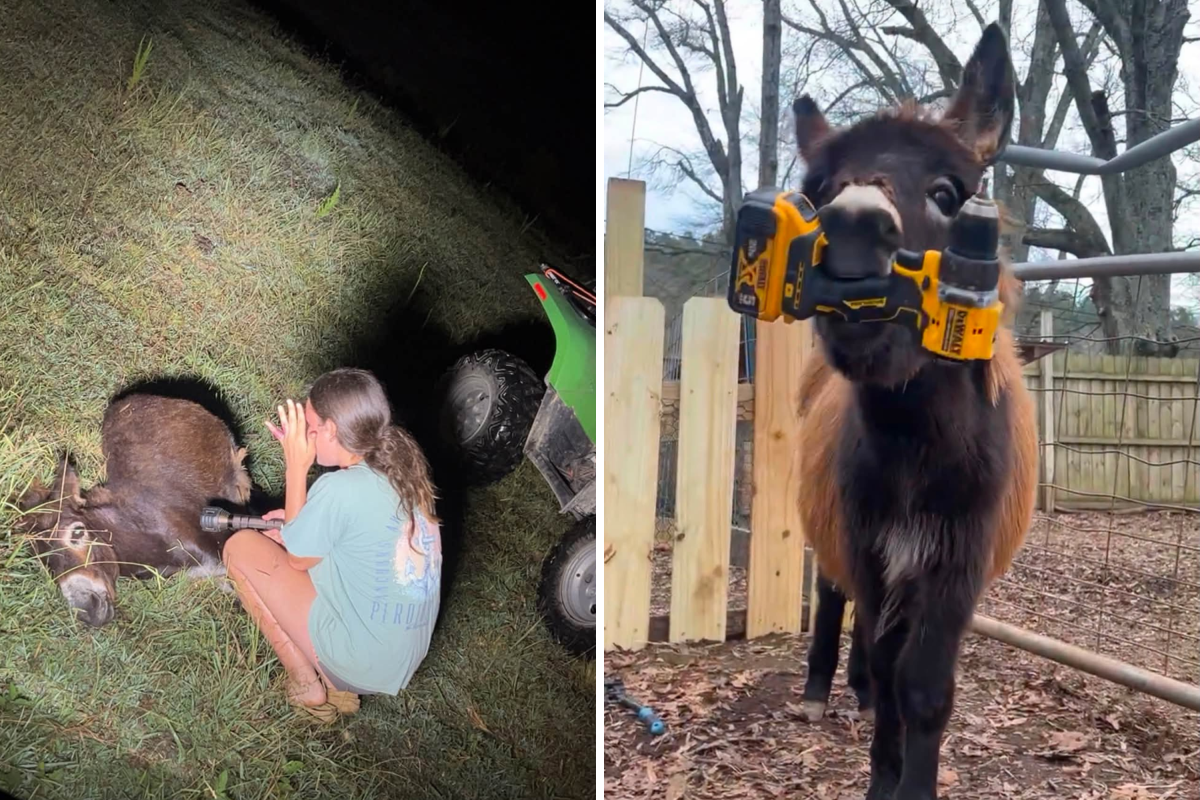
The tragic shooting of HeeHaw, a miniature donkey in Georgia, has ignited widespread outrage and prompted calls for scrutiny over police protocols when dealing with animals. HeeHaw was shot while officers searched for a missing child, with reports suggesting he charged at them—a claim disputed by his owner, who insists the donkey was simply responding to unfamiliar individuals in his pasture.
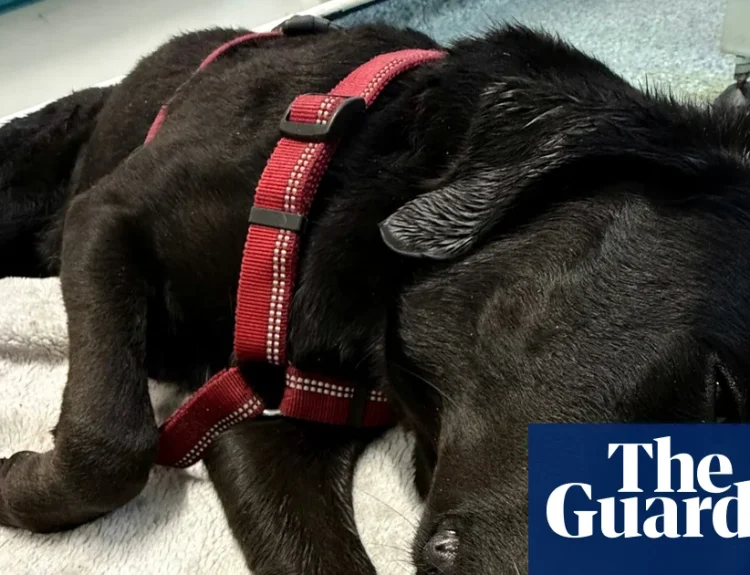
This incident is not singular; numerous cases have emerged over the years where police have shot family pets, often leading to public protests and inquiries into the actions of law enforcement. For many, these pets are beloved family members, making such incidents deeply emotional.
Law enforcement policies typically allow the use of lethal force if an animal is perceived as an immediate threat; however, many argue that officers often opt for deadly measures too quickly, overlooking non-lethal alternatives or tactics to secure the situation safely.
As the investigation regarding HeeHaw’s shooting continues, there’s growing concern about whether current practices need revision to better safeguard against unnecessary violence toward pets. Public calls for reform emphasize the need for improved training for police officers in properly handling encounters with animals.