Rediscovery of a Long-Lost Egyptian City
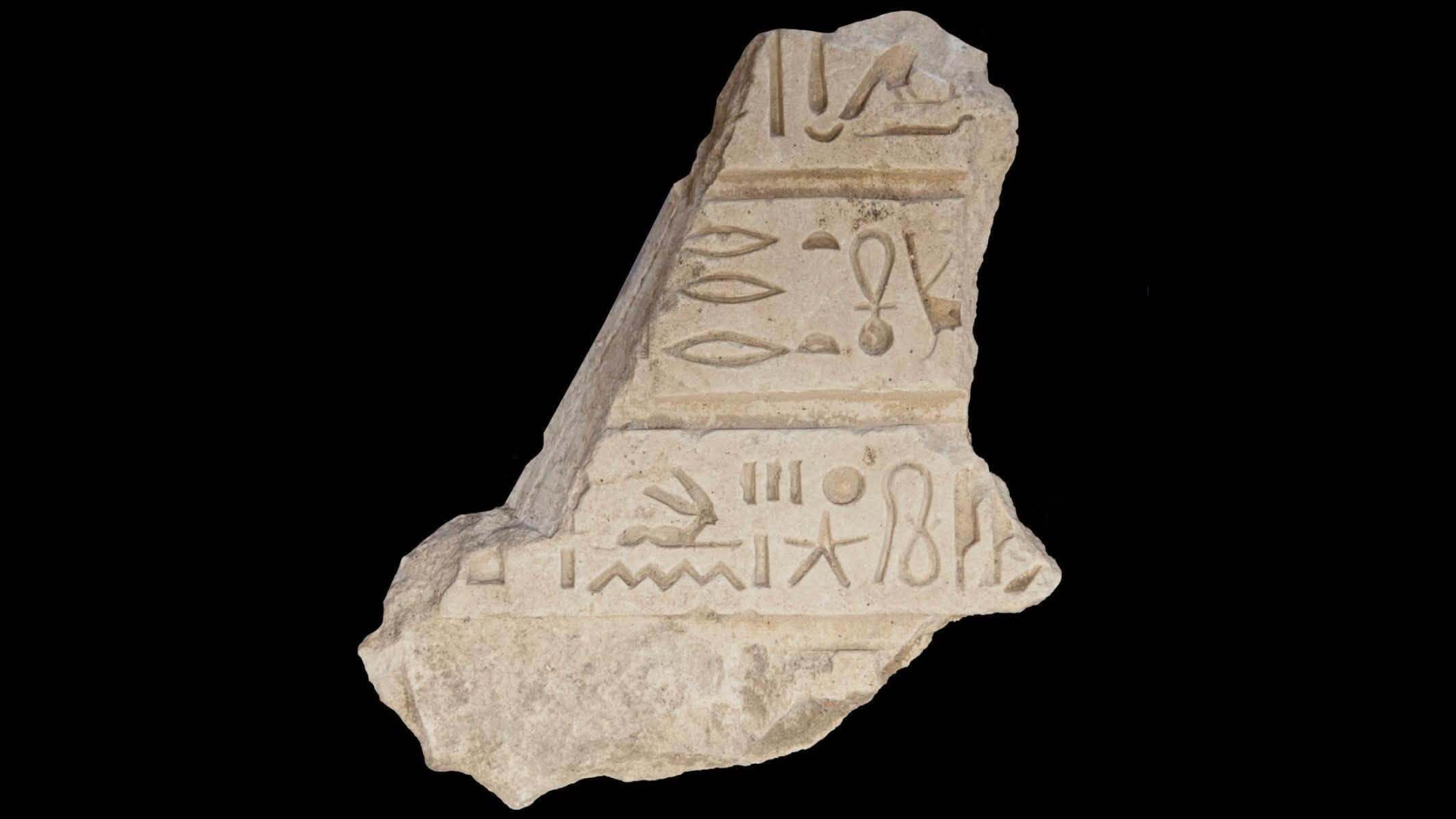
A 3,200-year-old inscription discovered at Tell Abu Seifi may point to the fabled city of Mesn, according to archaeologists. The inscription references Ramesses II, who ruled from 1279 to 1213 B.C., and identifies Horus as the “Lord of the City of Mesn.”
Findings at Tell Abu Seifi
The site, situated near the Suez Canal, has yielded significant artifacts, including the remains of a temple dedicated to Horus. Unfortunately, much of the temple is in ruins, limiting the information that can be derived from it. Hesham Hussein, a leader of the research team, noted more research is necessary for definitive conclusions.
The inscription’s connection to both Mesn and the temple supports the hypothesis that Tell Abu Seifi may indeed be Mesn. However, the exact origins and dimensions of the city remain uncertain.
Historical Context
Mesn’s significance ties deeply to military endeavors; it is situated along the ancient “Way of Horus,” a critical route for Egyptian armies venturing into the Middle East for conquests. This road was lined with fortifications and played a pivotal role in the expansion of the Egyptian empire.
Continuing Research
While some experts support the identification of Tell Abu Seifi as Mesn, others urge caution, citing the need for further evidence, such as ceramics from the site, to establish definitive links. Historical inscriptions have also been found at various locations, raising the question of whether Mesn could encompass multiple sites.
Research is ongoing, with many scholars eager to learn more about the new findings and their implications for understanding ancient Egyptian history.