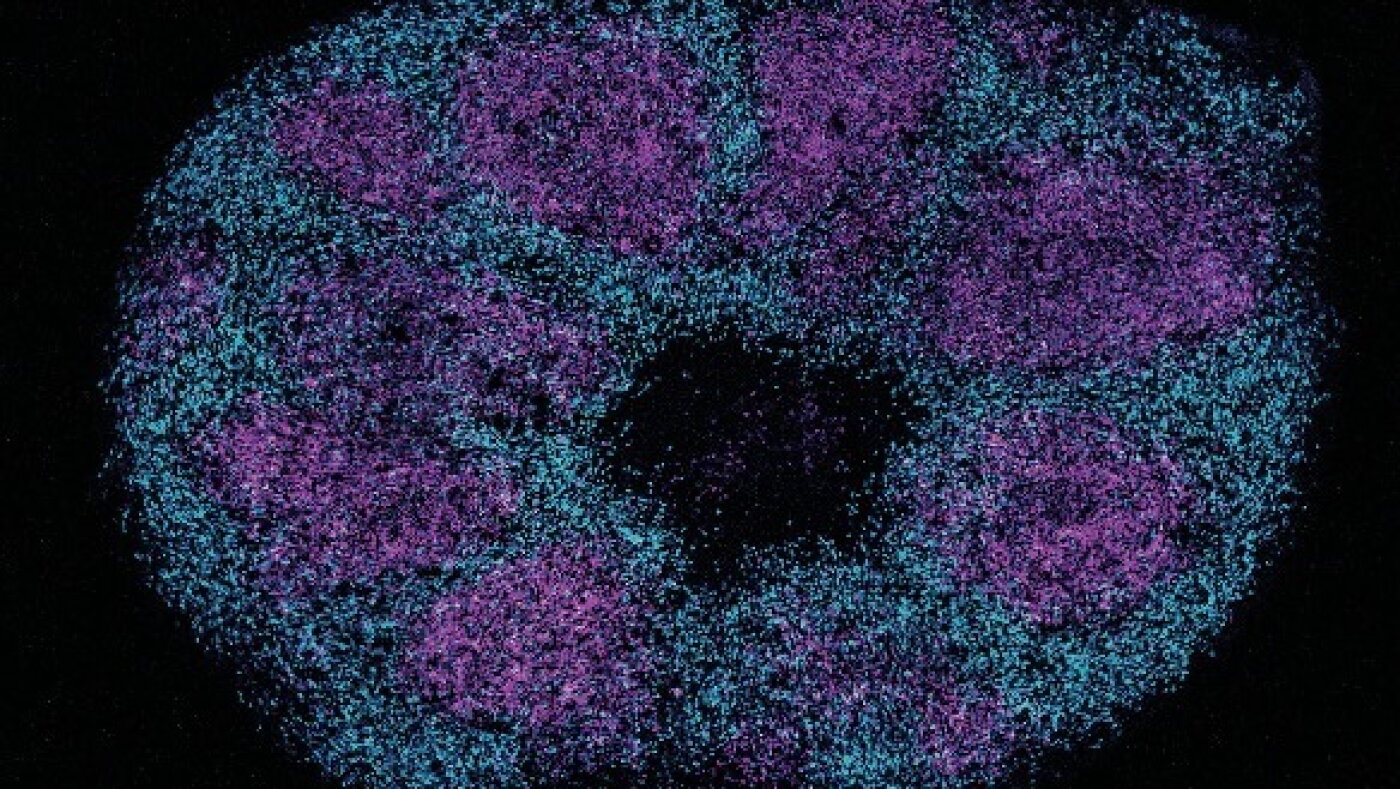
The article discusses a breakthrough in understanding the genetic underpinnings of profound autism through the use of brain organoids and protein interaction mapping. Researchers from UC San Francisco have created a molecular atlas that outlines over 1,800 interactions between proteins linked to autism risk genes. This mapping could guide future treatments by identifying shared biological pathways involved in early brain development.
Scientist Dr. Daniel Geschwind describes the research as a valuable resource for drug development, while Alison Singer from the Autism Science Foundation emphasizes its potential for providing hope to families affected by profound autism. The study employs advanced technology, including AI, to analyze protein interactions quickly and accurately.
By focusing on both genetic mutations and their effects on proteins, the researchers hope to bridge the gap between the identification of autism-related genes and the development of effective therapies. While substantial work remains to translate these findings into drug candidates, the study sets a promising foundation for future treatments for profound autism.