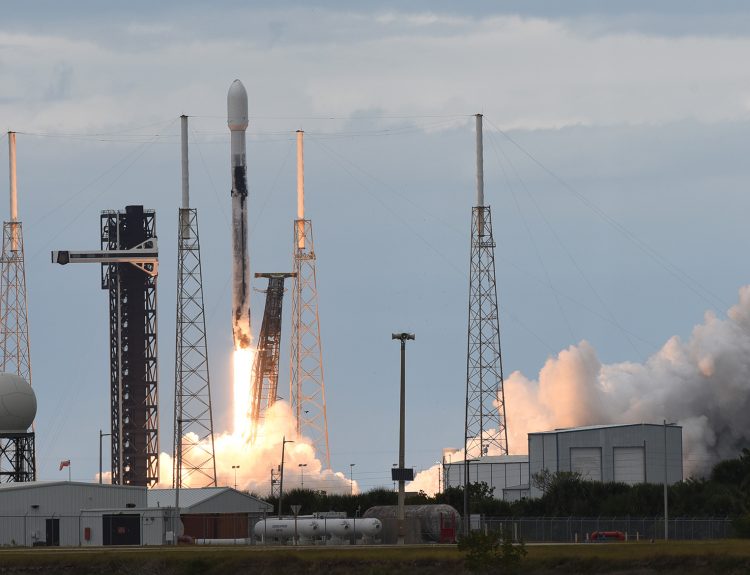
The future of a privately backed mission to Venus is uncertain as scientists from MIT collaborate with Rocket Lab to explore potential signs of life on the planet. Their initial endeavor includes deploying a probe equipped with an autofluorescence nephelometer (AFN) to analyze the Venusian atmosphere. However, the project faces delays due to the need for a flight-qualified booster, the Neutron rocket, which was expected to launch in 2024 but has been postponed.
Despite these setbacks, advancements have been made, particularly with the heat shield developed by NASA’s Ames Research Center and the probe’s pressure vessel. MIT’s Seager emphasizes ongoing preparations for the mission, which would represent a significant milestone in privately funded explorations of Venus.
Future goals involve launching follow-up missions to detect complex organic molecules, hinting at a potential for life in Venus’s acidic clouds. Researchers are exploring various innovative technologies, such as a laser desorption mass spectrometer and a large balloon designed to float in Venus’s atmosphere.
Experts believe the mission could pave the way for greater private sector involvement in space exploration, even if delays are expected. The potential discovery of life in Venus’s clouds could transform our understanding of life beyond Earth, as highlighted by Seager and others in the scientific community.
The launch date remains unconfirmed, but ongoing research continues to yield exciting insights about Venus, motivating both scientists and mission developers alike.