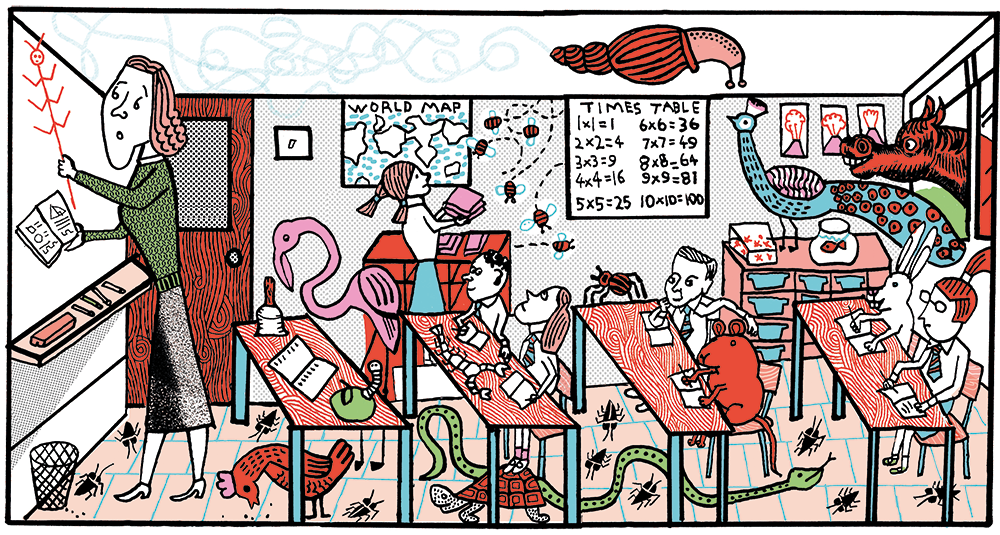
The presence of pets in schools has evolved considerably since my sister and I fought to take care of Hobnob, our classroom hamster. Our anecdote serves as a reminder of the life-changing impact such animals can have, even if indirectly. In modern education, though, the idea of having pets seems to be under threat—largely due to safety concerns and the bureaucratic nature of our society.
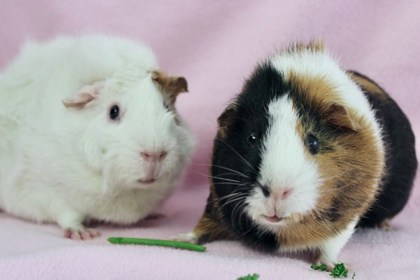
After the RSPCA expressed that keeping pets in schools could be cruel, many schools eliminated such practices, opting instead for soft toys. But at places like Vinehall, animals have made a comeback, thanks to passionate educators like Moyna Edmondson. With a variety of creatures, including guinea pigs and chicks, these animals become not just sources of joy but also teaching tools about life and the natural world.
On the other hand, schools like Hanford take animal care to another level, integrating ponies and a range of other animals into their daily routines. This creates a culture of responsibility among students and strengthens their emotional connection to nature and animal care.
While alternative, low-maintenance pets are also becoming popular, the fundamental value remains—animals can enrich school life in ways that extend far beyond the classroom. In a world focused on safety and efficiency, we must not overlook the unique benefits that come from nurturing relationships with animals. After all, as my experience suggests, even a small hamster can make a significant difference.