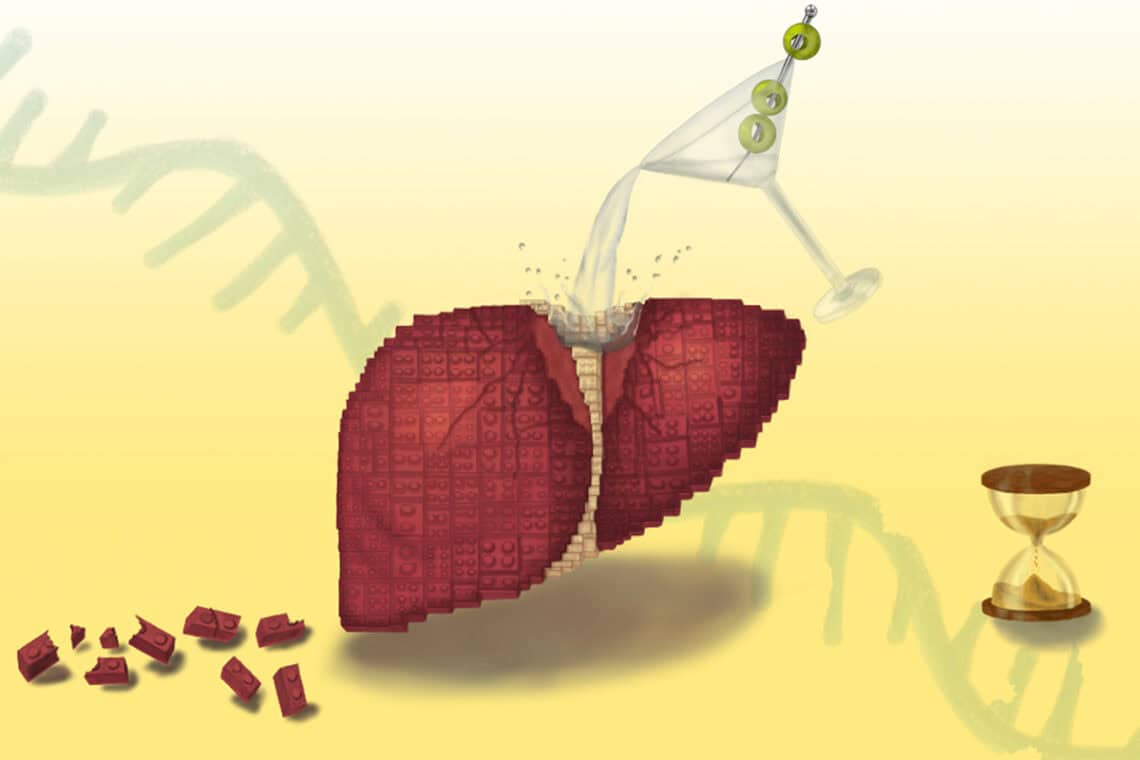
Understanding Liver Regeneration and Alcohol’s Impact
Key Findings from Recent Research
A new study published in Nature Communications reveals that long-term alcohol consumption can hinder the liver’s regenerative abilities due to inflammation disrupting the protein-making process. This has implications for individuals suffering from advanced alcohol-associated liver disease.
The Regeneration Process
- Mature Liver Cells: When injured, liver cells (hepatocytes) can revert to a more primitive state in a bid to repair themselves.
- Stagnation: In severe cases of alcohol-related liver disease, these cells may lose their adult characteristics but fail to fully activate their regenerative programs. Instead of regenerating, they remain caught in a state of dysfunction.
Research Methodology
- Researchers compared liver tissue from five healthy donors and five patients each with severe alcohol-associated hepatitis and cirrhosis.
- They analyzed over 27,000 cell nuclei and conducted RNA sequencing.
Findings
- Altered Identity: Diseased hepatocytes had largely deactivated their mature functions but also failed to develop into the necessary progenitor cells for regeneration.
- Traffic Jam Analogy: The liver regeneration process resembles a traffic jam, where numerous cells attempt to regenerate, but very few succeed.
RNA Splicing Issues
- Critical Role of ESRP2: RNA splicing, essential for producing functional proteins, was found to be disrupted. A missing regulator, ESRP2, is crucial for mature liver cells to splice RNA correctly.
- Location Matters: Some proteins failed to reach their intended locations within the cell, further hampering the regeneration process.
Implications for Treatment
- Chronic Inflammation: Ongoing inflammation can suppress ESRP2, creating a cycle of dysfunction even after alcohol consumption has stopped.
- Potential Solutions: Blocking specific signaling pathways that suppress ESRP2 may help restore normal liver function and repair.
Conclusion
Quitting alcohol is vital for liver health and recovery, but in severe cases, this alone may not suffice. Future clinical studies may explore strategies to correct splicing defects to enhance liver recovery.