The Ongoing Conflict with Iran: An Analytical Overview
The current war with Iran presents a challenging landscape for the United States and its military. The dynamics of this conflict have not only shifted perceptions about American military dominance but have also raised questions about its operational capabilities. As recent developments unfold, it’s essential to assess the implications and strategic choices being considered by all parties involved.
From the very beginning of this war, it was clear it would be a decisive test. Observers have noted that the U.S. military’s reputation as a formidable force is being challenged. After the initial phase of the conflict, experts pointed out significant depletions in American military supplies, warning that stocks were quickly dwindling to alarming levels. In response, Iran has successfully compromised U.S. surveillance operations, diminishing the effectiveness of high-cost radar systems and altering the combat landscape.
While U.S. AWACS aircraft serve as a fallback, their age and operational strain limit their utility. Drones such as the MQ Reaper were not designed for use in contested territories, lending credence to Iran’s claims of having achieved multiple successful strikes. U.S. naval forces, already stretched thin, are facing logistical challenges exacerbated by ongoing assaults on military bases.
The Larger Context of the Conflict
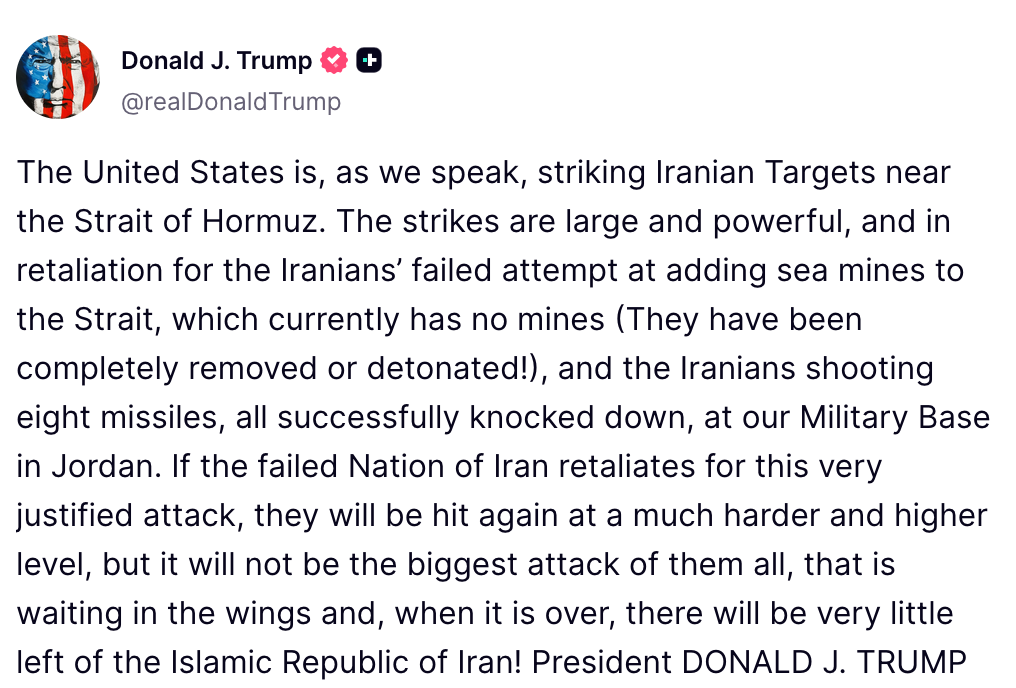
Before delving into specific military actions, it is valuable to consider the broader context of the conflict. Trita Parsi has suggested that the U.S. aims to keep tensions manageable leading to the midterm elections, whereas Iran benefits from escalating hostilities, particularly to disrupt oil transits through the Strait of Hormuz, consequently driving up global energy prices. America’s recent military actions may stem from a desire not to appear passive, particularly under the leadership of a volatile Trump administration.
Trump’s impulsiveness feeds into Iran’s strategy. Re-engaging in active conflict allows Iran to present itself as a regional power capable of forcing a reconsideration of U.S. strategy among key allies like China. Iran has made clear its intention to respond disproportionately to any U.S. strikes, enhancing its position on the international stage.
Strategic Insights and Military Assessments
Robert Pape’s recent talk on the “At the Water’s Edge” channel provides insightful analysis into the complexity facing U.S. and Gulf state leaders. He argues that Iran has effectively established a no-win scenario for U.S. forces. By disrupting U.S. maritime operations in the Strait of Hormuz, Iran presents both military and economic challenges that leave the U.S. and its allies with limited options.
Iran isn’t simply retaliating; it is shifting the dynamics to create a situation where any response leads to a loss for the U.S.
The military landscape has evolved drastically; Pape notes that U.S. forces, initially positioned with 50,000 troops and numerous bases, have been forced to withdraw significant capabilities due to sustained Iranian counterattacks. Most notably, missile and drone strikes have led to the degradation of U.S. operational bases, compelling a pullback into less strategically favorable regions.
The Divisions Within the Military
The discord within the U.S. military regarding the management of this conflict is palpable. Recent purges, such as the one involving Dan Driscoll, indicate attempts by officials like Hegseth to control dissent and maintain unity amidst growing discord. As the Pentagon faces internal challenges, key figures are resigning, indicating a potential crisis in leadership.
Reports suggest that Deputy Under Secretary of the Army, Dave Fitzgerald, is expected to resign, highlighting instability within the Department of Defense.
Concerns about defense capabilities are rising, particularly regarding the equipment and resources needed to address ongoing threats. The extent of military overreliance on resources such as Patriot missile systems has prompted serious scrutiny as losses mount.
The Economic Ramifications
The implications of this conflict extend beyond military encounters; they affect global markets as well. Oil prices have surged as tensions rise, leading to increased economic pressure and financial uncertainty. Reports indicate that recent U.S. strikes have targeted Iranian oil interests, further complicating an already volatile energy landscape.

In response to heightened market volatility, financial reports highlight the adverse effects on stability, as investors react to escalating military tensions. Bloomberg’s coverage portrays a rather grim outlook, emphasizing the significant challenges posed by ongoing military actions.
Concluding Thoughts
As the situation evolves, the conflict with Iran remains a significant geopolitical flashpoint. The struggle faces multiple pitfalls, both tactically and economically. For the U.S., the ramifications of this engagement will demand careful consideration of both military strategy and diplomatic outreach to avoid further escalation. Without a clear path forward, the implications of continued conflict will continue to resonate across geopolitical and economic spheres.
____
1 The cited internal upheavals may stem from broader issues of leadership and program continuity within the military hierarchy.

