Beyond the Black Panther
Series: The Women of Naibunga Lower · Part 1 of 4
The car left the busy streets of Nanyuki, and a vibrant selection of shops paraded outside the window: from motorbike mechanics to basket sellers, water suppliers, even artists and grocery stalls.
Having just crossed the Equator, I felt the sun’s heat intensify, and both the car temperature and my skin confirmed it. Yet the excitement of taking the bumpy road and leaving civilization behind overshadowed the discomfort.
This time, I needed a map. Many Kenyans I shared my travel plans with hadn’t heard of Naibunga Lower Conservancy, including my experienced driver.
The adventure truly began when the car turned left at Il Polei village—thirty miles from Nanyuki’s bustling shops. I watched Ellens Rock fade away as I waved goodbye to Rosemary and the women of Twala Tenebo.
I noticed Gabriel, the driver, sigh with relief as we left the village, the road smoothing out and our car ceasing its shaky dance.
We climbed higher, quickly treated to panoramic views of green landscapes interspersed with the tin roofs of Il Polei village vanishing from sight.
I was still enjoying breakfast when Francis Sapuro—the Conservancy Manager—joined me in the lodge’s living room. We’d exchanged a few emails and had a brief phone chat while I was in Naivasha. Now, on Maasai land, it was time to delve deeper into the community I had been invited to by the Kenya Wildlife Conservancies Association (KWCA).
Like all community conservancies in Kenya, Naibunga Lower is owned and managed by the local communities who call this place home, beginning its legal journey in 2004. It has a population of about 8,300, belonging to three different communities.
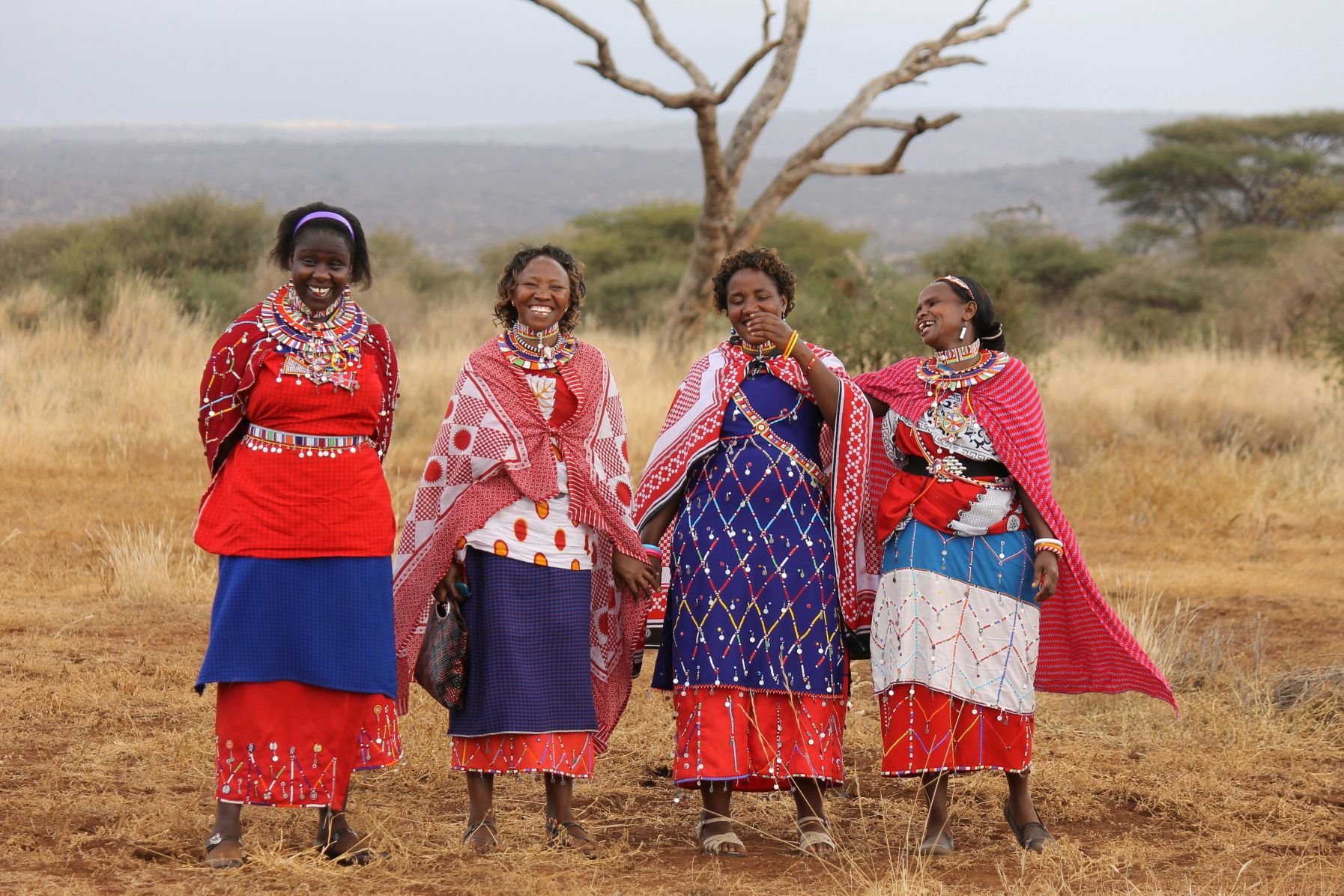
I was thrilled to learn that Kajwang (as Francis is known here) had adjusted my schedule so I could meet with the three women’s groups—one from each community—where they work daily.
Visitors flock to this northern part of Laikipia County to catch a glimpse of the elusive black panther, a rare dark-pigmented leopard. This is one of the few places in East Africa to spot it, allowing tourists to immerse themselves in a tranquil environment far removed from the touristy hustle of Maasai Mara.
For those seeking an immersive travel experience, this is the place to be. Peter, the lodge’s local Maasai guide, informed me about the increased wildlife encounters due to the coexistence of humans and animals, a practice that has thrived traditionally.
Unexpected sightings of elephants, zebras, impalas, giraffes, and more can happen outside the lodge’s perimeter, where human-wildlife coexistence is a tangible reality.
While walking along the dry bed of a temporary river, Peter recounted his recent encounter with an elephant while tending his family’s cows. The idea of encountering one during my exploration didn’t seem far-fetched.
Animal footprints littered the riverbed, and distant noises hinted at the presence of a predator. “There must be a cat nearby; those noises signal danger to other animals,” Peter remarked, continuing his calm stroll with a stick resting on his shoulders as I mirrored his pace, trying to steady my wobbly legs.
This was Maasai land, a place intertwined with Peter’s ancestry. I held that thought while grounding myself, appreciating the unfiltered experience.
After finishing my coffee, I sincerely thanked Kajwang for the insightful briefing on the conservancy’s governance.
A rush of anticipation filled me as I stood up, grabbed my bags with a wide smile, and readied myself to meet the women.