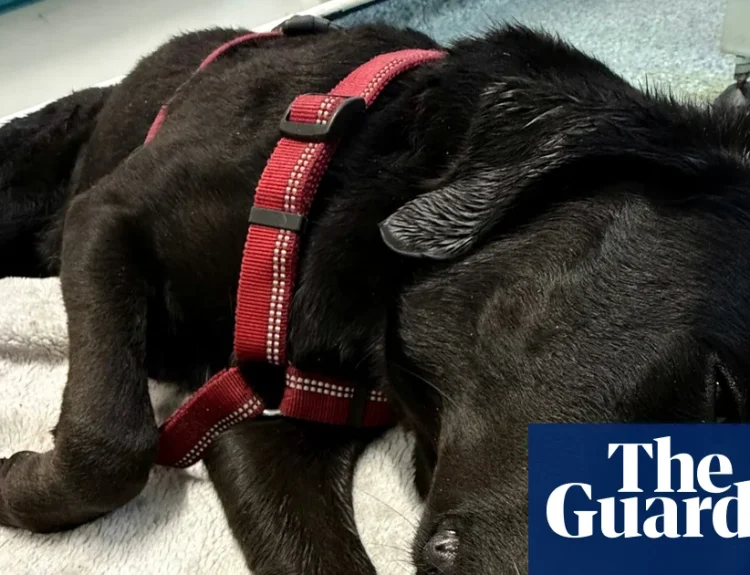
The article discusses the impact of diabetes on dogs and cats, highlighting how diabetes in dogs resembles Type 1 diabetes in humans while in cats, it is more akin to Type 2 diabetes. The article informs that approximately one in every 300 pets treated for diabetes face this disease, creating challenges for pet owners due to the requirement for daily insulin injections.
A team from Chulalongkorn University’s Faculty of Veterinary Science has been researching innovative treatments, specifically using stem cells derived from canine adipose (fat) tissue. Their goal is to develop insulin-producing beta cells as a potential cure, rather than ongoing management of the disease.
The research emphasizes the advantages of using adipose tissue, which is easier to collect and yields significantly more stem cells compared to other sources. Initial findings are encouraging, showing that engineered cells can secrete insulin and regulate blood sugar levels effectively, suggesting a potential shift from lifelong treatment to a cure.
The team plans to scale up production and initiate studies on diabetic dogs within two to three years, marking a significant advancement in veterinary medicine. The broader aim includes potentially translating these regenerative medicine techniques to treat various conditions in both animals and humans.
For further details, the original source and information regarding the research team can be found at their site.