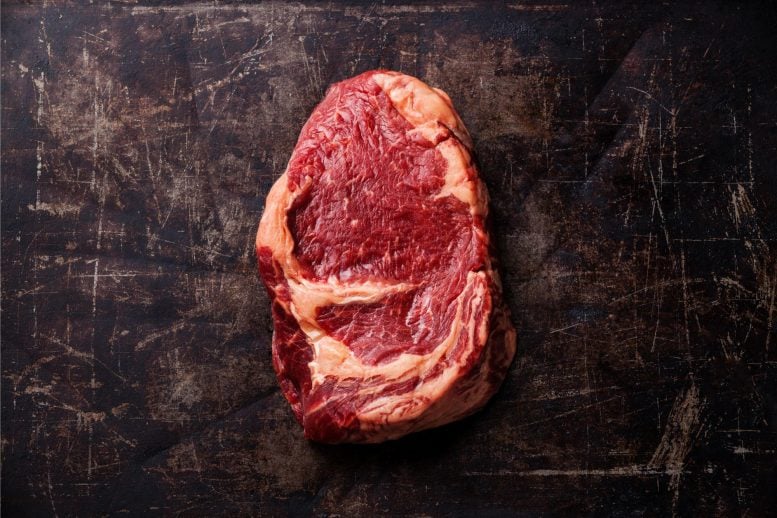
The article discusses the evolution of red meat consumption and its implications on human health and the environment. It highlights findings from an interdisciplinary review that traces the dietary history of early humans and contrasts it with modern practices.
Key Points:
-
Historical Significance: Red meat has been a crucial part of human diets for millions of years, providing essential nutrients that may have played a role in our evolutionary success.
-
Modern Consumption: Today, the way red meat is consumed differs greatly from historical practices, with larger portions and processed products being common. This shift raises concerns about health and ecological impacts.
-
Nutritional Content: Early humans consumed a variety of animal parts, prioritizing those that provided more calories and essential nutrients, such as fat and organs, rather than just lean muscle.
-
Dietary Flexibility: The ability to diversify diets based on available resources contributed to human survival and adaptability across different environments.
-
Impact of Agriculture: Agricultural practices initiated roughly 10,000 years ago led to a reduction in dietary variety, which has been linked to nutritional deficiencies.
-
Health Risks: Increased consumption of red and processed meat is associated with higher risks of various chronic diseases and is classified by the International Agency for Research on Cancer as a probable carcinogen.
-
Inflammatory Response: A biological mechanism, termed “xenosialitis,” may explain some health issues related to red meat consumption and chronic inflammation.
-
Environmental Concerns: Industrial meat production contributes significantly to greenhouse gas emissions and other environmental issues, such as deforestation and water contamination.
-
Balanced Perspective: The authors argue against a simplistic view of red meat consumption by recognizing its historical value while also cautioning against modern practices that can lead to negative health outcomes.
-
Future Recommendations: Emphasizing dietary flexibility could help societies reduce reliance on red meat while acknowledging its role in human history.
Conclusion:
The article calls for a nuanced understanding of red meat in human diets, suggesting that while it has been beneficial in the past, contemporary consumption patterns warrant careful examination due to their potential health and environmental costs.