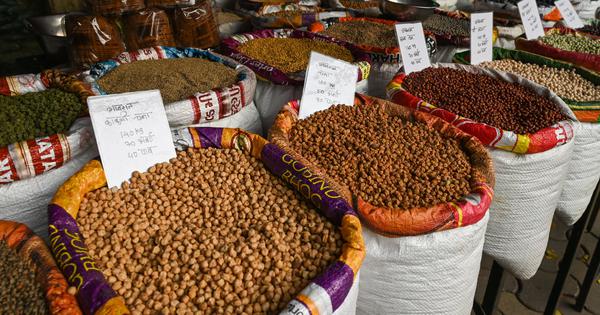
Five Effects of Eating Pulses on Your Body
Pulses, including lentils, beans, and chickpeas, have been nourishing humans for millennia. Despite their long history, recent scientific research is uncovering how they impact our bodies.
1. They Feed Gut Microbes
Pulses provide plant protein, fiber, and carbohydrates that reach the large intestine undigested. Gut microbes ferment these components, producing beneficial short-chain fatty acids that support gut health and regulate metabolism. Though emerging evidence suggests pulses may positively influence the gut microbiome, further long-term human studies are necessary.
2. They Stabilize Blood Sugar Levels
Research indicates that pulses may mitigate blood sugar spikes after meals. A review of 65 clinical studies found that their fiber and starch can slow digestion, reducing post-meal blood sugar levels. However, evidence for long-term blood sugar control improvements remains limited.
3. They May Lower Cholesterol
Human trials indicate that legumes can lead to modest cholesterol reductions. A review involving nearly 2,000 participants found small decreases in both total and LDL cholesterol, which is linked to cardiovascular risks. While they aren’t a replacement for cholesterol treatment, pulses can complement a heart-healthy diet.
4. They Enhance Feelings of Fullness
Eating pulses may increase satiety after meals. A systematic review found that participants felt fuller after consuming pulses but didn’t necessarily eat less in subsequent meals. Thus, they may contribute to short-term fullness rather than long-term appetite control.
5. Preparation Affects Nutrient Absorption
Pulses are rich in nutrients like iron and zinc but contain phytates that can hinder absorption. Techniques such as soaking or sprouting can reduce phytate levels, enhancing how well your body can utilize these minerals. The preparation method plays a crucial role in their nutritional benefits.
Environmental Benefits of Pulses
Pulses, beneficial both nutritionally and environmentally, help improve soil quality. They can fix nitrogen in the soil, reducing the need for synthetic fertilizers.
Conclusion
The evidence supports the idea that adding more pulses to your diet can have several health benefits, from stabilizing blood sugar to potentially reducing cholesterol. Incorporating them into meals is straightforward, whether in soups, salads, or snacks. As researchers continue to explore their benefits, pulses remain a valuable dietary choice.
For more insights, you can explore studies and reviews linked throughout this article.