The Trend of Taking Kids Out of School for Travel
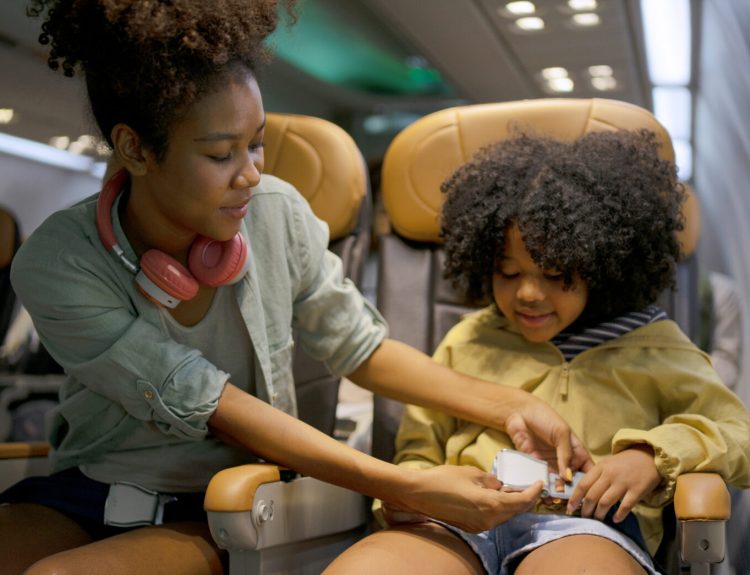
In recent years, there’s been a noticeable shift among American families regarding the timing of vacations. A significant number of parents are opting to take their children out of school during the academic year for travel, believing that the experiences gained can outweigh the missed classroom time.
Survey Insights
A survey commissioned by travel booking platform Omio reveals that 67% of American parents have already pulled their children from school for vacations. Additionally, 24% are open to the idea of doing so in the future. This trend has ignited discussions around the educational value of such experiences.
Traveling as Education
Sarah Mann, a mother of three, exemplifies this approach. Over the past four years, she has taken her children on trips to various destinations, including Portugal and the Amazon. Mann emphasizes education by ensuring her kids learn about the history and culture of each location before they go. They engage with museums, outdoor activities, and even keep up with their reading and assignments while traveling. Tests missed during their trips are arranged for them to take when they return.
Research supports the idea that travel can be beneficial. A study from Penn State indicated that children who traveled as part of family trips performed better in reading and math tests.
Concerns About Missing School
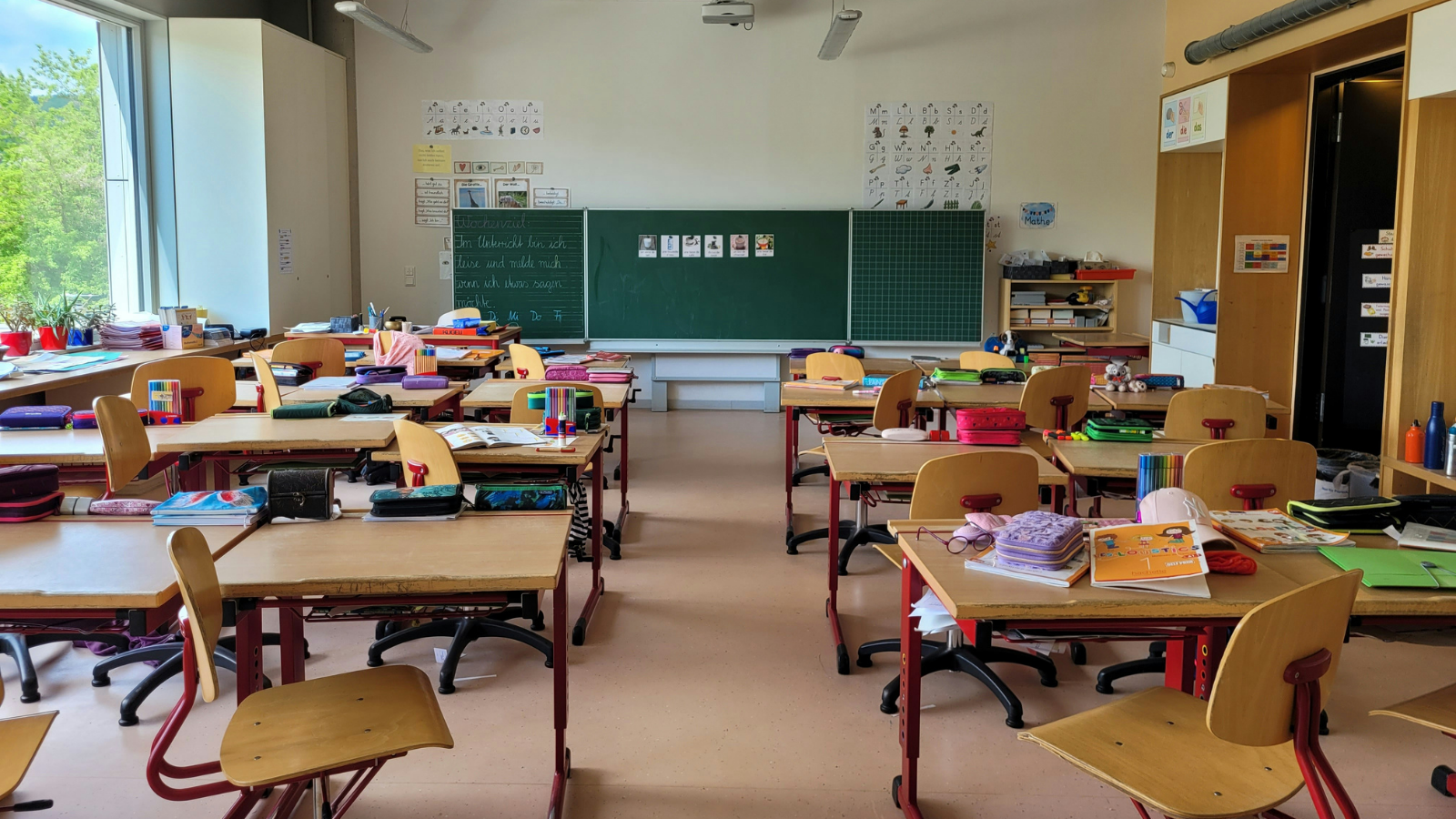
However, there are valid concerns regarding the impact of missing school. The U.S. Department of Education warns that chronic absenteeism—missing 10% of the school year—can lead to poorer academic outcomes. Educators argue that even short absences can hinder a child’s learning experience, which often involves collaborative and hands-on activities that cannot be easily replicated.
The effect of missing school can vary by age, academic performance, and individual learning needs. Some children’s ability to catch up is more robust than others, depending on ongoing classroom activities and requirements.
Financial Considerations
Cost also plays a significant role in the decision-making process. Traveling during traditional school breaks can significantly raise a family’s expenses. For some, the choice may not simply be about timing a trip, but rather, the only opportunity for family travel.
Conclusion
The decision to take children out of school for travel is multifaceted, incorporating educational benefits, personal experiences, financial constraints, and varying impacts on individual students. As this trend continues to grow, it raises important questions about the balance between structured education and experiential learning.