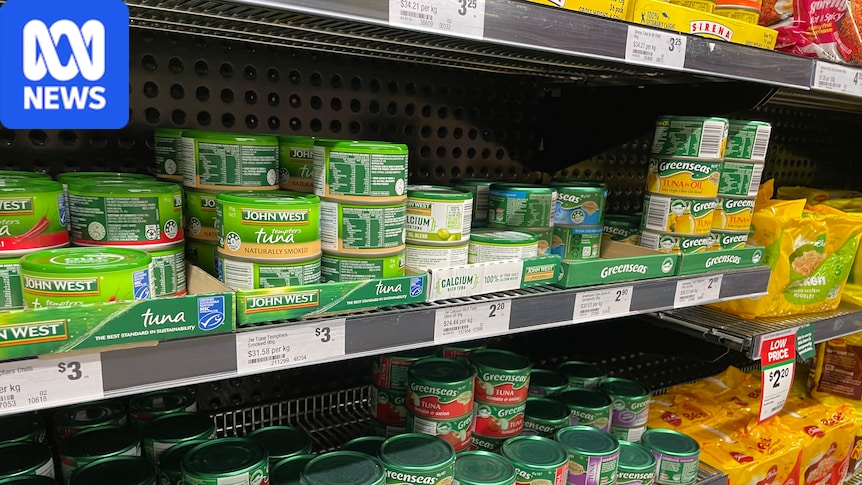
Can You Eat Too Much Tinned Tuna?
Tinned tuna is a convenient and nutritious option for many, especially due to its affordability and high protein content. It’s a popular lunch choice for people on the go, but concerns about mercury levels may arise when consuming it frequently.
Why Does Tuna Contain Mercury?
Mercury exists naturally and enters water bodies through various means, including industrial activities. In water, bacteria convert mercury into methylmercury, which fish absorb. Larger fish, as they eat smaller ones and live longer, accumulate higher levels of mercury. This is not exclusive to tuna; other large predatory fish, like shark, swordfish, and marlin, also have increased mercury levels.
Is All Tuna the Same?
Not all tuna is equal. Most canned tuna in Australia is from smaller species like skipjack and yellowfin, which generally have much lower mercury levels compared to larger species commonly served as steaks. Hence, health advice differentiates tinned tuna from larger predatory fish in terms of mercury risk.
How Much Mercury is Safe to Eat?
Health organizations provide guidelines to ensure safe mercury intake. For a typical adult, the provisional tolerable weekly intake (PTWI) is 3.3 micrograms per kilogram of body weight. For pregnant women, this limit is reduced to 1.6µg/kg. For example, a 70kg individual could safely consume about 231µg of mercury weekly.
Research indicates that a small 95g can of tuna may contain around 13µg of mercury. Consequently, consuming one can per week is approximately 6% of the weekly limit for adults, while eating it daily raises the mercury intake to about 40% of the recommended limit.
Children, however, have a much lower tolerance for mercury due to their smaller body size.
What is Mercury Poisoning?
Mercury poisoning typically results from prolonged exposure to high mercury levels. Symptoms may include numbness, muscle weakness, coordination issues, and cognitive difficulties. However, the amounts of tinned tuna generally consumed in Australia pose minimal risk of mercury poisoning.
What About Other Fish?
Some fish in Australia contain higher mercury levels than canned tuna and should be consumed less frequently. It is advisable to limit consumption of shark, swordfish, broadbill, or marlin to one serving per week.
Should I Eat the Same Protein Every Day?
While tinned tuna is healthy, consuming a varied diet is essential. Different protein sources provide distinct nutrients:
- Eggs supply choline.
- Legumes offer fiber and plant protein.
- Lean meats are vital for iron and vitamin B12.
- Tofu provides plant protein and calcium.
- Nuts and seeds are sources of healthy fats and various vitamins.
Diversifying your protein sources helps ensure you meet your nutritional needs.
The Bottom Line
Tinned tuna is a valuable protein source for most Australians, with regular consumption unlikely to lead to unsafe mercury levels. Rather than avoiding tuna due to mercury concerns, enjoy it alongside a variety of other protein-rich foods as part of a balanced diet.
Authors: Lauren Ball, Professor of Community Health and Wellbeing, and Emily Burch, Accredited Practicing Dietitian, Southern Cross University. This article originally appeared in The Conversation.