Summary of Baby Food Sugar and Salt Content Issues in the UK
Recent analysis reveals that nearly 25% of popular branded baby foods in UK supermarkets still contain excessive sugar, despite government efforts introduced a year ago to encourage healthier formulations through voluntary industry guidelines.
Key Findings:
- Analysis: A study of 224 branded baby foods indicated that 58% violated at least one guideline, with 25% breaching two or more.
- Specific Brands: Top brands tested included Ella’s Kitchen, Heinz, Organix, and HiPP. Notable findings include:
- 23% of products contained excessive sugar.
- Brands like Kiddylicious and Piccolo had 52% and 28% of their products exceed sugar limits, respectively.
- 5 products had over 80% of their calories from sugar.
Health Risks:
- The NHS guidelines recommend infants under one consume less than 1g of salt daily. Yet, 6% of products exceeded this, with some meals containing more than a quarter of an infant’s daily allowance.
- Concerns have been raised regarding the impact of these high sugar and salt levels on children’s long-term health—specifically, risks related to obesity and poor oral health.
Marketing and Labelling Issues:
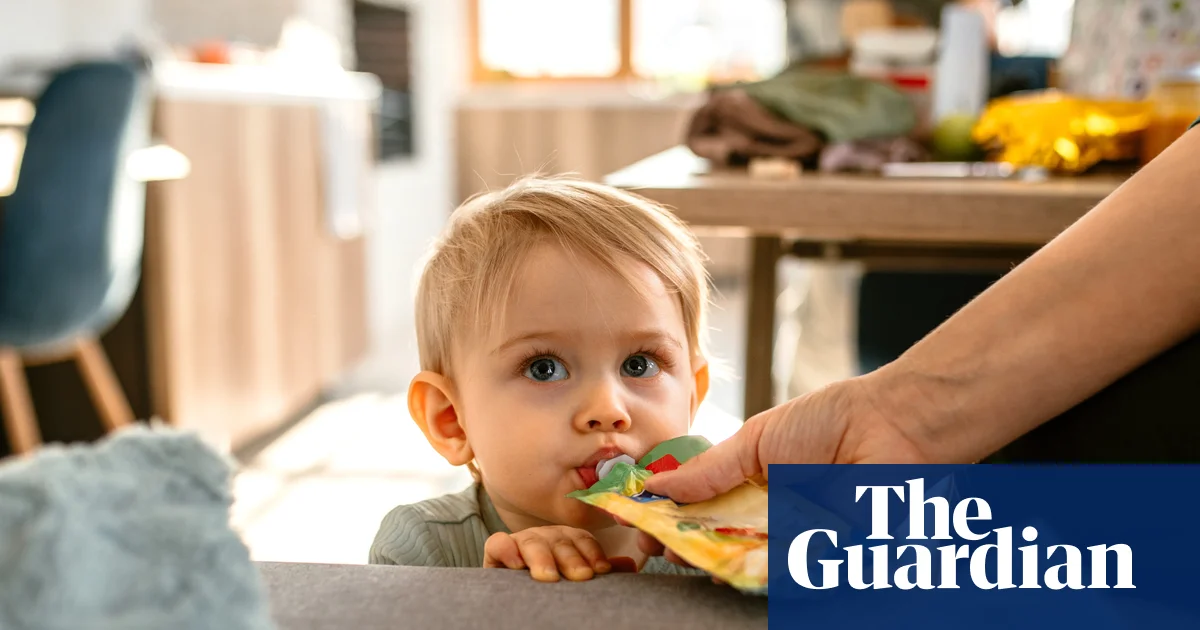
- Misleading marketing practices were noted in 28% of products, including snacks targeted at infants as young as six months.
- Labels often featured appealing imagery or health claims that may mislead parents about the actual nutritional value.
Experts’ Opinions:
- Health professionals stress that mandatory nutritional standards are necessary to protect children’s health and ensure they receive nutritious foods without developing a preference for high-sugar options in the long term.
Industry Response:
- The British Specialist Nutrition Association claims that progress has been made in reducing sugar and increasing vegetable content but acknowledges that reformulation takes time. They believe the February 2027 compliance deadline allows for adequate adjustment.
Conclusion:
While voluntary guidelines have been set in place to improve the nutritional quality of baby foods in the UK, the data suggests substantial issues remain. Experts are calling for these guidelines to be made mandatory to more effectively safeguard the health of infants and young children.