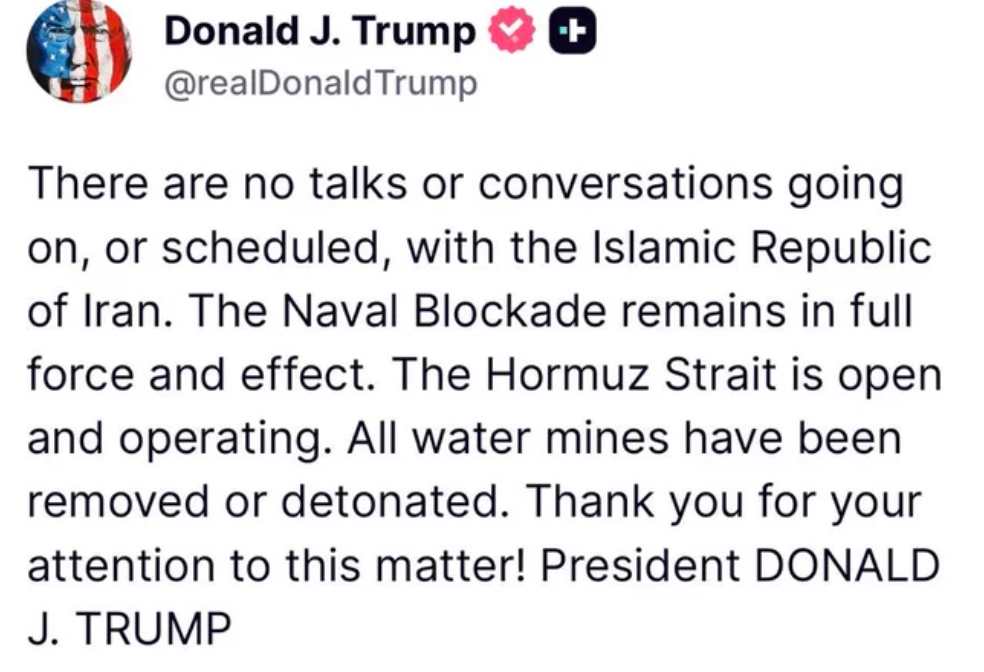
As tensions escalate in the Middle East, events are unfolding rapidly, overshadowing what is typically a quiet summer period. The ongoing strife seems to be further exacerbated by Donald Trump’s tendency to create chaos to disorient his opponents, resulting in a situation that continually deteriorates. Iran has announced it is enforcing a complete closure of the Strait of Hormuz and has issued fresh threats regarding its response to any nuclear strike. The conflict between Saudi Arabia and the Ansar Allah movement is heating up in Yemen, while Israel has targeted an airbase in Syria, reportedly housing Turkish forces. Observers of Israel’s broader ambitions recognize that it has consistently viewed Turkey as the next nation to assert dominance over after Iran. Given the unfolding developments with Iran, it raises questions about whether now is the right time for Israel to extend its reach towards Turkey—potentially as a strategic move to rally support ahead of upcoming elections in October.
Moreover, the zealous push towards escalated military actions breeds misinterpretations of specific maneuvers and reactions.
In addition, indications are rising that a financial crisis may be on the horizon. However, many commentators—both non-economists and economists lacking financial insight—are making claims that are somewhat misguided. While severe outcomes reminiscent of the Great Depression are possible, the nuances of the current situation require more careful examination.
Military Developments
A significant piece from The Washington Post suggests that the United States might be contemplating a considerable withdrawal from the Middle East in light of developments related to the Iran war. According to this report:
The Pentagon is re-evaluating its military presence in the Middle East, signaling a potential transformation in the U.S. role in the region due to the Iran conflict, based on insights from various officials.
One focal point of the analysis involves the possibility of reducing troops in the Persian Gulf, where American military installations have faced repeated attacks from Iranian forces. This ongoing damage presents a unique opportunity for the Pentagon to reassess its strategy.
As anticipated, the conversation regarding troop reduction is poised to stoke debates within the administration between those advocating for military interventions and those suggesting a shift in focus towards U.S. homeland defense and addressing threats from global powers like China.
Allies in the Gulf have historically relied on U.S. forces for their security. Any withdrawal of American troops could leave these states vulnerable to Iranian aggression. Forming new defense partnerships or enhancing domestic capabilities would require substantial time and resources.
Individuals familiar with the Pentagon’s discourse indicate the discussions also involve key figures like Admiral Bradley Cooper from U.S. Central Command, who supports the contemplation of relocating troops away from the Persian Gulf.
This evolving dynamic indicates that there could be significant internal pressures at work, possibly incentivizing factions to drum up support against perceived threats from Iran.
Negotiation Dynamics
Accessing perspectives from Iran’s vantage point offers clarity on the state of negotiations. For instance, a source close to Iran’s negotiation team disclosed to Fars that “In practice, there were no direct negotiations between Iran and the United States, with discussions on the Strait of Hormuz facilitated through Oman.”
During an interview, Jared Kushner seemed unaware that Trump had abandoned the narrative of engaging in talks with Iran, asserting on Fox News that “we’re not there yet,” suggesting Trump would broker a suitable deal when the timing aligns.
Military Strategy and Limitations
Scholarly insights from Robert Pape argue that Iran is adopting a strategy aimed at compelling Trump to initiate military action before the midterm elections, which could create backlash against him and the Republican Party.
Furthermore, Iran emphasizes that any military engagement against them would have severe consequences, thereby likely deterring future attacks from U.S. and Israeli forces for an extended period.
The Economic Picture
The economic landscape is showing signs of distress, and the intersection between military action and financial solvency cannot be ignored. As the situation regarding access through the Strait of Hormuz intensifies, increased shipping costs could exacerbate economic hardships, potentially resulting in reactive military measures from Trump to assert his authority amidst financial chaos.
Pape outlines that Iran’s political motive is to undermine America’s willingness to engage militarily in future conflicts. By demonstrating that attacking Iran would have far-reaching adverse effects, they aim to set a precedent against any future aggression.
Iranian lawmakers have publicly stated that if the U.S. were to employ nuclear arms against their nation, they would respond with equivalent force, thereby raising the stakes further.
This narrative, intertwined with Trump’s increasingly volatile behavior, indicates that decisions will continue to escalate if economic pressures continue to mount during this tumultuous period.
Conclusion
The geopolitical landscape remains fraught with uncertainty. As the U.S. evaluates its military commitments and Iran continues to assert itself on multiple fronts, the potential for conflict looms large. With mounting economic challenges, the consequences of miscalculated actions could be profound, altering the course of American foreign policy and regional stability for years to come. Vigilance and clear-headed analysis will be essential in navigating this complex scenario.
____
1 While Iran has not fully committed to aggression in shipping lanes, they have displayed a penchant for calculated risks, gradually increasing pressure to achieve broader objectives.
2 The justification behind military strikes remains complex and nuanced, shaping the current geopolitical landscape.

