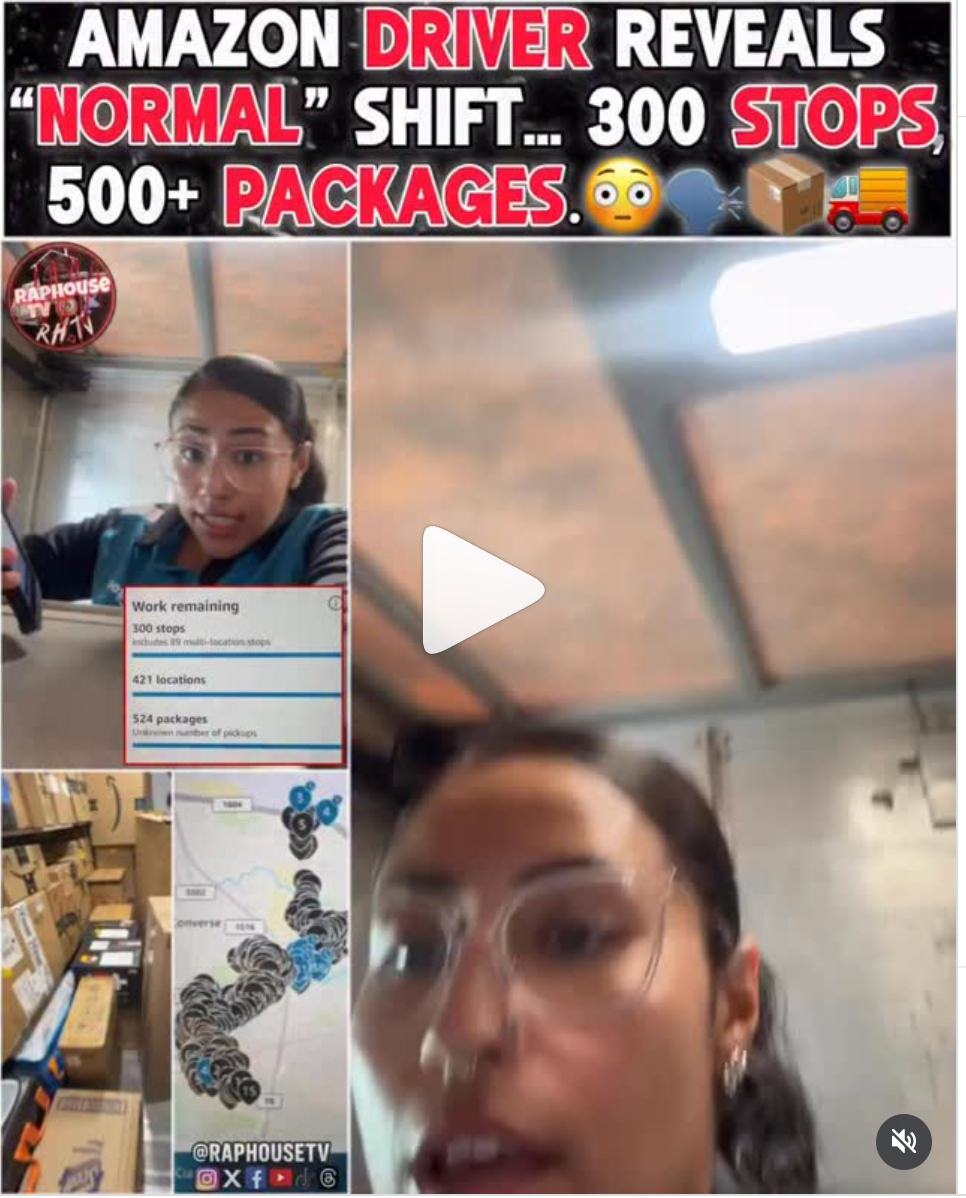
In recent developments, significant measures are being taken in both New York City and New Jersey to enhance the working conditions of Amazon delivery drivers. Mayor Zohran Mamdani of New York City is supporting legislation aimed at regulating subcontractors that deliver packages for Amazon. This initiative aims to improve the treatment of drivers and set minimum standards for pay and safety. The following article outlines the details and implications of these actions.
New York City Takes Action Against Amazon
Mayor Zohran Mamdani is backing the Delivery Protection Act, a pioneering piece of legislation designed to regulate Amazon’s network of subcontractors involved in package delivery. As he noted, this “exploitative business model” enables Amazon to evade accountability for the working conditions faced by its drivers.
The act, introduced by NYC Council Member Tiffany Cabán, will establish new labor, training, and safety standards for last-mile delivery services in the city. It will also ensure that companies like Amazon and FedEx are held responsible for the workers who handle countless deliveries daily.
Since 2020, at least 11 last-mile facilities have opened in New York City, managed by subcontractors under Amazon’s direction. These subcontractors are responsible for hiring delivery drivers and determining their routes while adhering to Amazon’s demands for vehicle branding and uniforms. However, Amazon often shifts responsibility for the vehicle operations onto these subcontractors, distancing itself from any consequences arising from workplace incidents.
New Jersey Lawsuit Against Amazon’s Practices
Simultaneously, New Jersey has launched a groundbreaking lawsuit targeting Amazon’s market practices. The state’s attorney general has filed what is believed to be a novel case against Amazon, accusing it of operating as a monopsony in relation to delivery drivers. This lawsuit claims that Amazon has abused its position to suppress wages and impose harsh working conditions on drivers.
According to New Jersey officials, Amazon has orchestrated “a deliberate and unlawful scheme” that forces thousands of drivers to operate under grueling conditions, utilizing its control over businesses known as Delivery Service Partners (DSPs).
The state’s filing emphasizes that Amazon, acting as the sole buyer in the DSP service market, imposes low compensation and poor working conditions, leading to drivers earning considerably less than their counterparts at UPS and FedEx. Many drivers have described their working conditions as “atrocities,” highlighting extreme demands such as being forced to urinate in bottles during their shifts due to overwhelming delivery quotas.
Workers face invasive surveillance that monitors every aspect of their job, with the threat of immediate termination for even minor infractions.
State officials contend that despite Amazon presenting DSPs as independent businesses, it exercises significant control over their operations, compromising the independence of these entities and their drivers.
Drivers have also expressed concerns about the high injury rates compared to non-Amazon delivery personnel, with injuries causing significantly more lost work time.
Worker Conditions and Upcoming Changes
The recent initiatives in New York City and New Jersey highlight the ongoing struggle for better working conditions among Amazon delivery drivers. While New York City drivers earn a bit more, with starting wages around $20-$24 per hour, they continue to experience excessive workload pressures without adequate safety measures. Luc Rene, a driver in Queens, revealed challenges he faces due to management’s refusal to reduce workloads during extreme weather, despite the risk to driver safety.
Both Amazon and New Jersey’s Attorney General have responded to these developments. Amazon claims that the Delivery Protection Act will lead to higher consumer costs, although union representatives argue that the current subcontracting model already imposes significant costs on workers and communities.
Looking Ahead
The initiatives in New York City and the lawsuit in New Jersey are significant steps towards improving the labor conditions of delivery drivers exploited under Amazon’s business model. As discussions about worker rights continue, the outcomes of these measures could potentially spark similar movements in other states, highlighting the urgency of protecting the rights and well-being of workers in the gig economy.
May these efforts yield positive results for workers across the country!
By Julia Cowley, senior editor and staff writer at Common Dreams. Originally published at Common Dreams


