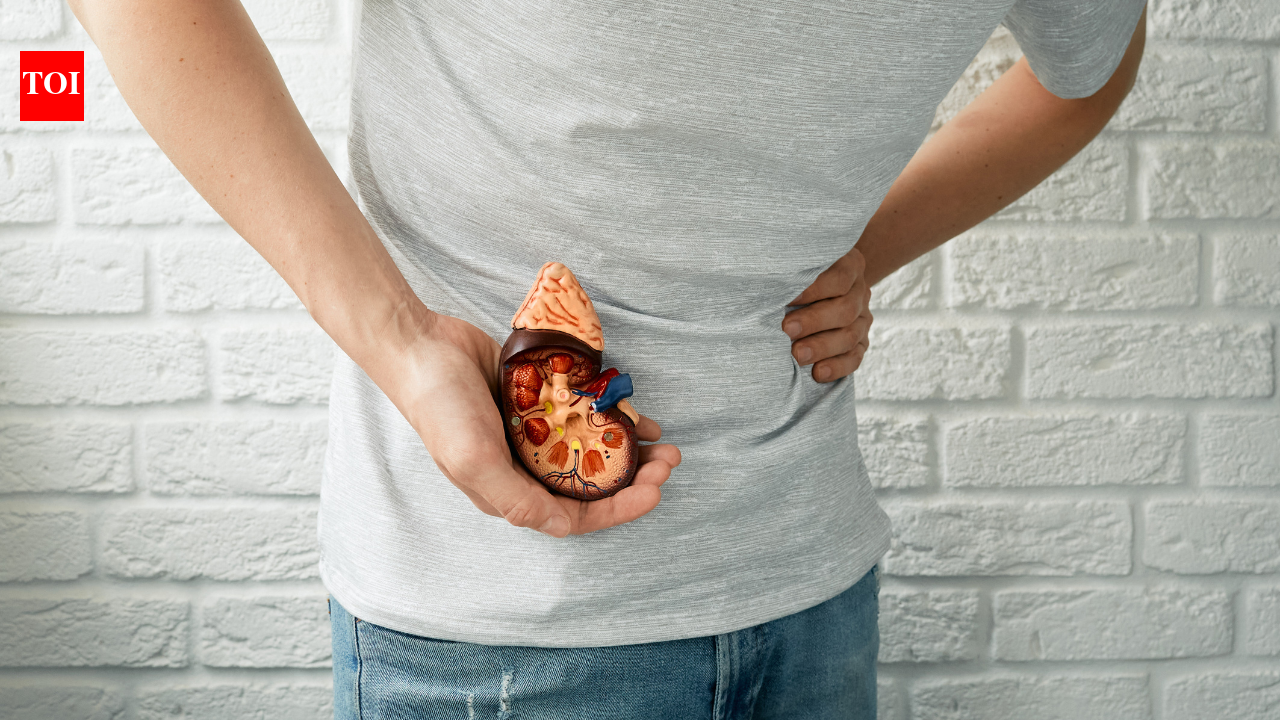
Kidney issues can be subtle and may not present noticeable symptoms until significant damage has occurred. Common signs like swelling, changes in urination, blood in urine, persistent nausea, fatigue, or pain should not just be attributed to dietary changes.
For those with a history of kidney stones or existing health risks, regular medical check-ups are essential, as kidney function may fluctuate unnoticed. A balanced diet is crucial, which includes protein tailored to individual needs based on age, activity level, and health status.
For weight loss, the focus should be on sustainable dietary changes rather than extreme diets. This may involve increasing protein moderately, choosing whole foods, reducing ultra-processed items, ensuring adequate fiber intake, and managing sodium levels.
As emphasized by Dr. Srivatsa, there’s no one-size-fits-all diet; personalization is vital based on kidney function and overall health. While extreme diets can have specific medical purposes when supervised, trends in dietary fads do not automatically translate to beneficial kidney health for everyone. Individual health factors and conditions dictate the response of the kidneys to any diet.